

From the north
Wildlife of Alone regions
Predators, large mammals, and venomous species — grouped by the Alone regions where they matter for planning. Behavior, sign, habitat, and the field notes that keep you honest about the country you're moving through.
Boreal & sub-arctic (wide)
Species you plan around across most northern Alone seasons.
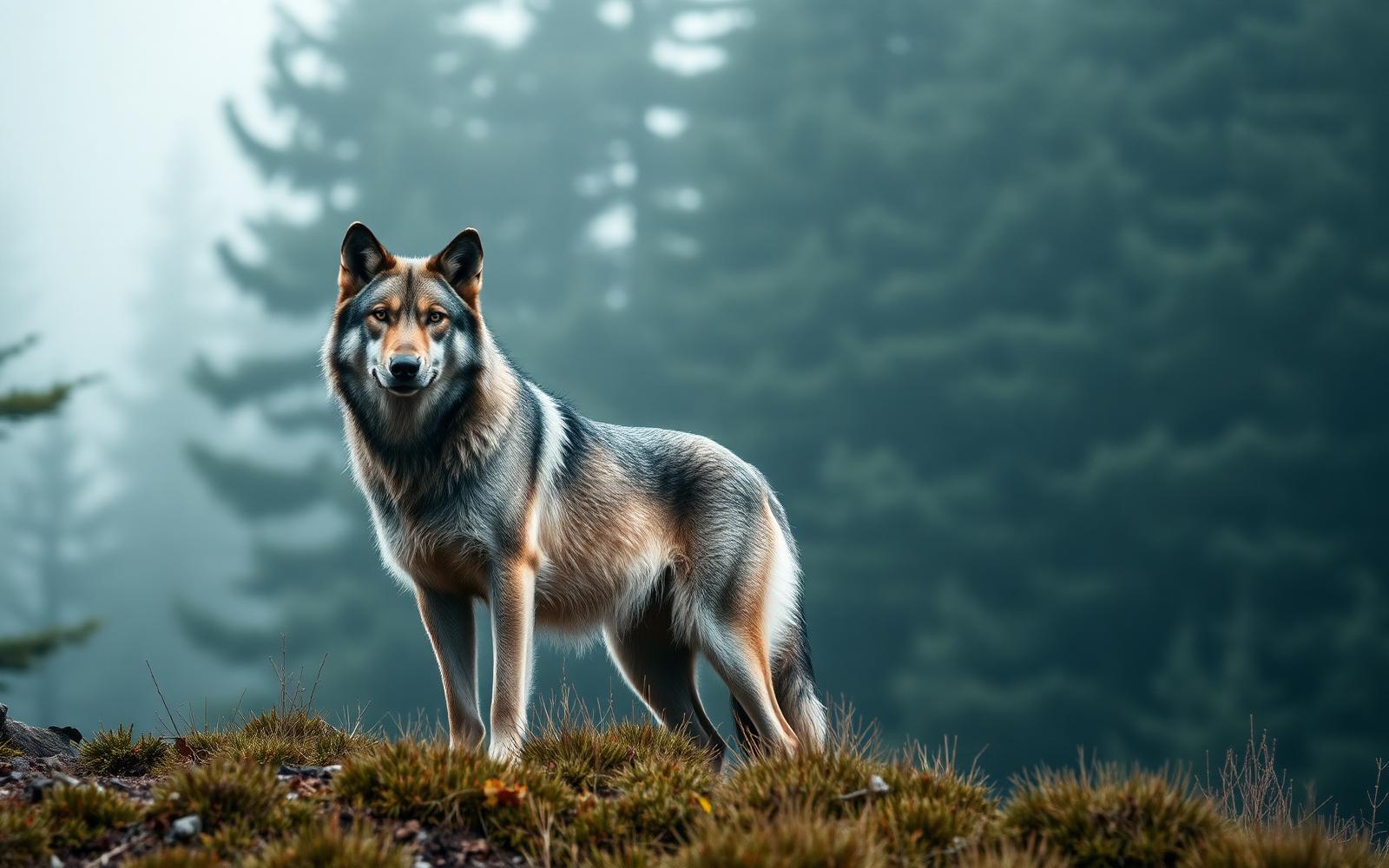
Canis lupus
Timber wolf
The apex canid of the boreal — travels far, kills big, teaches everything else in the forest to move quietly.
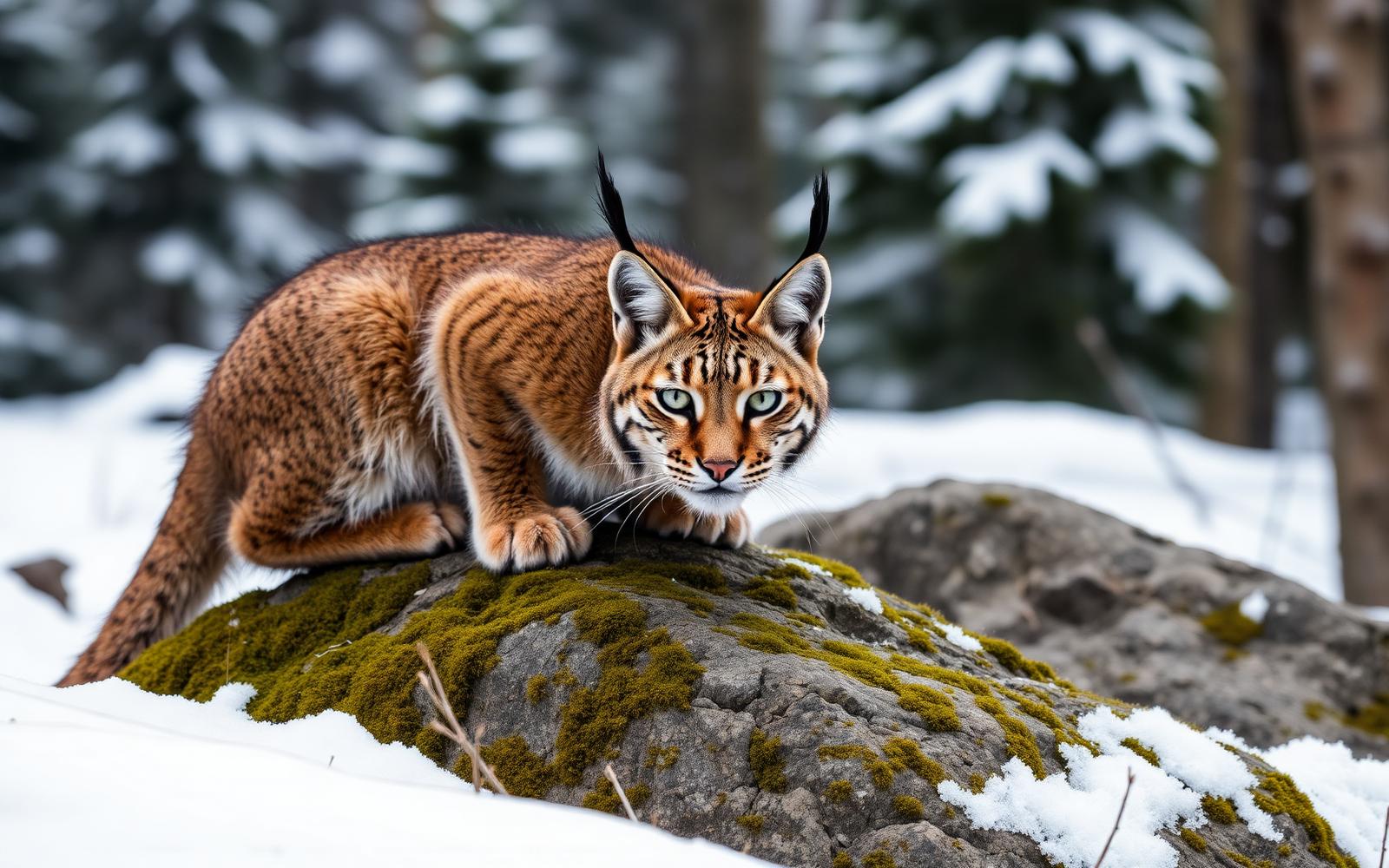
Lynx canadensis
Canada lynx
A silent specialist tied to one prey species and one landscape — dense spruce, deep snow, and snowshoe hare.
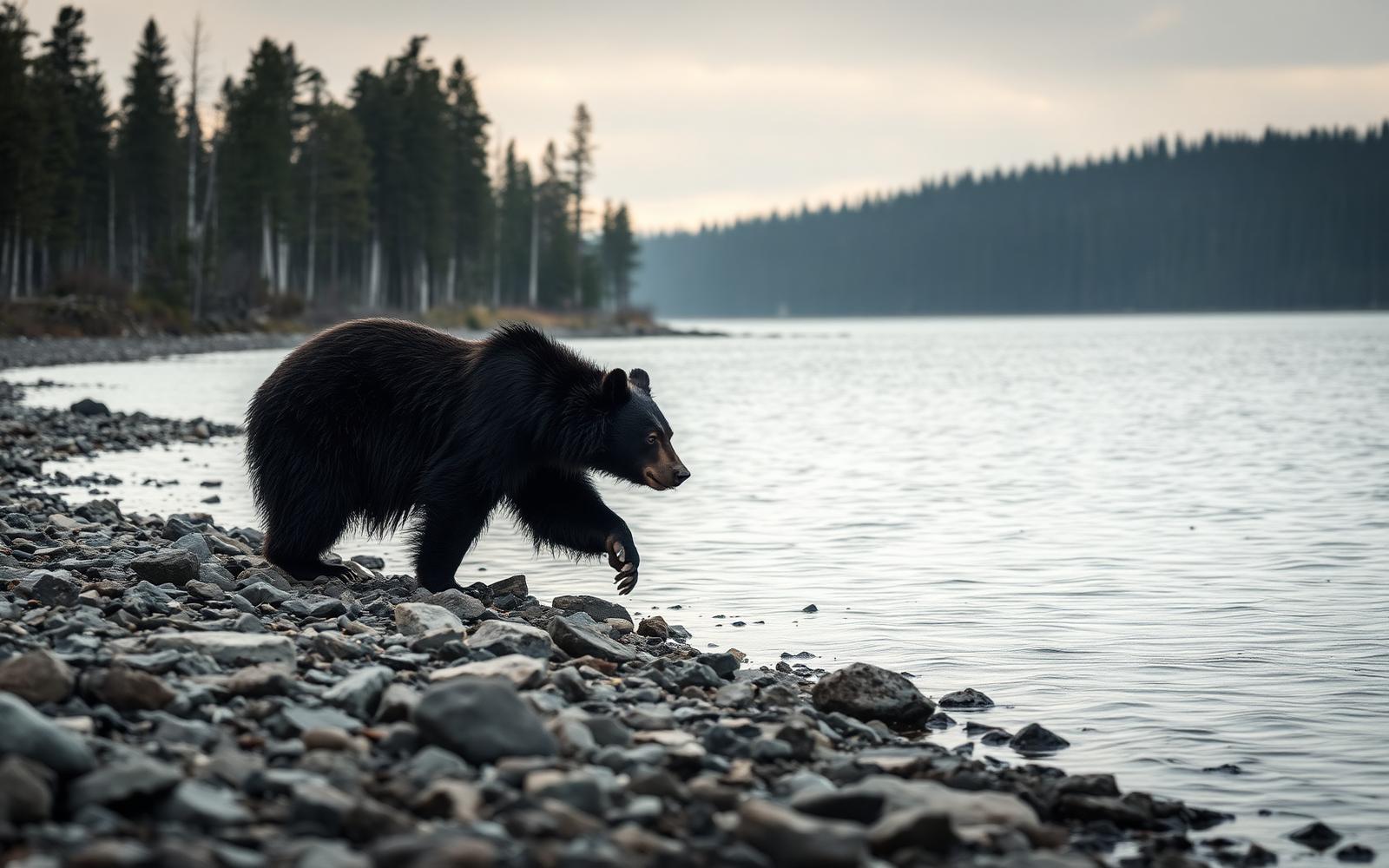
Ursus americanus
Black bear
The most widespread bear in North America — a shy, food-driven opportunist you will absolutely share the woods with.
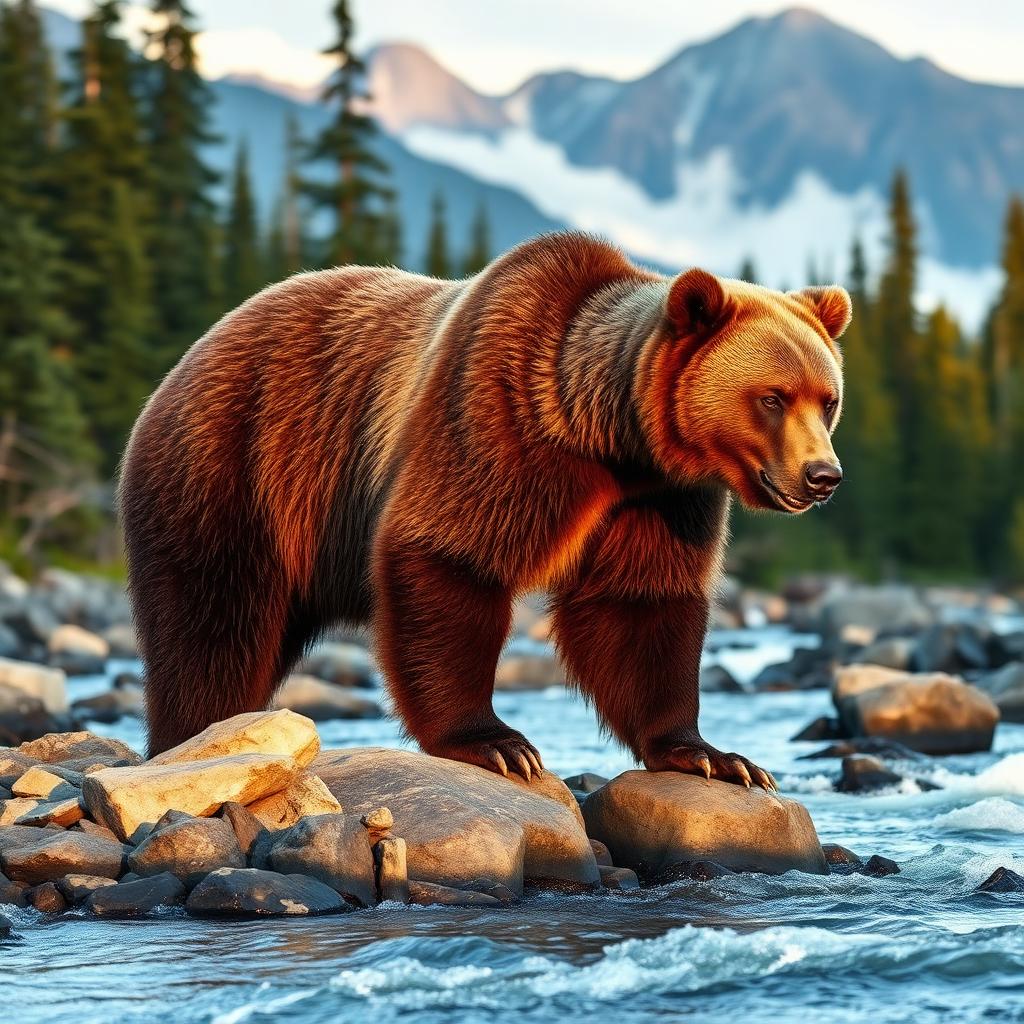
Ursus arctos horribilis
Grizzly bear
The North American brown bear — bigger, more open-country, and a whole different response protocol than a black bear.
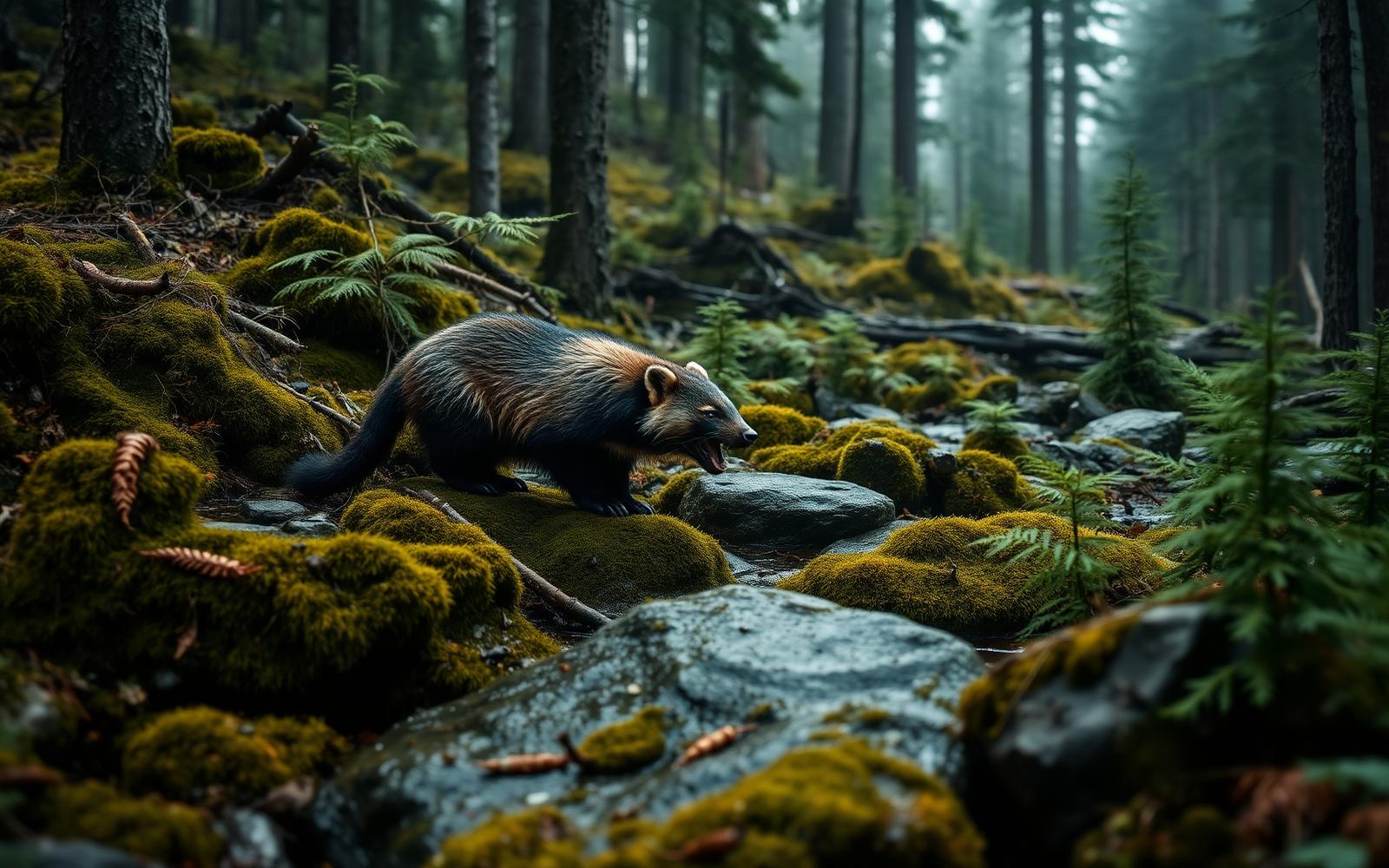
Gulo gulo
Wolverine
The largest land weasel — small on the scale, huge on attitude, unmatched at moving through wild snow country.
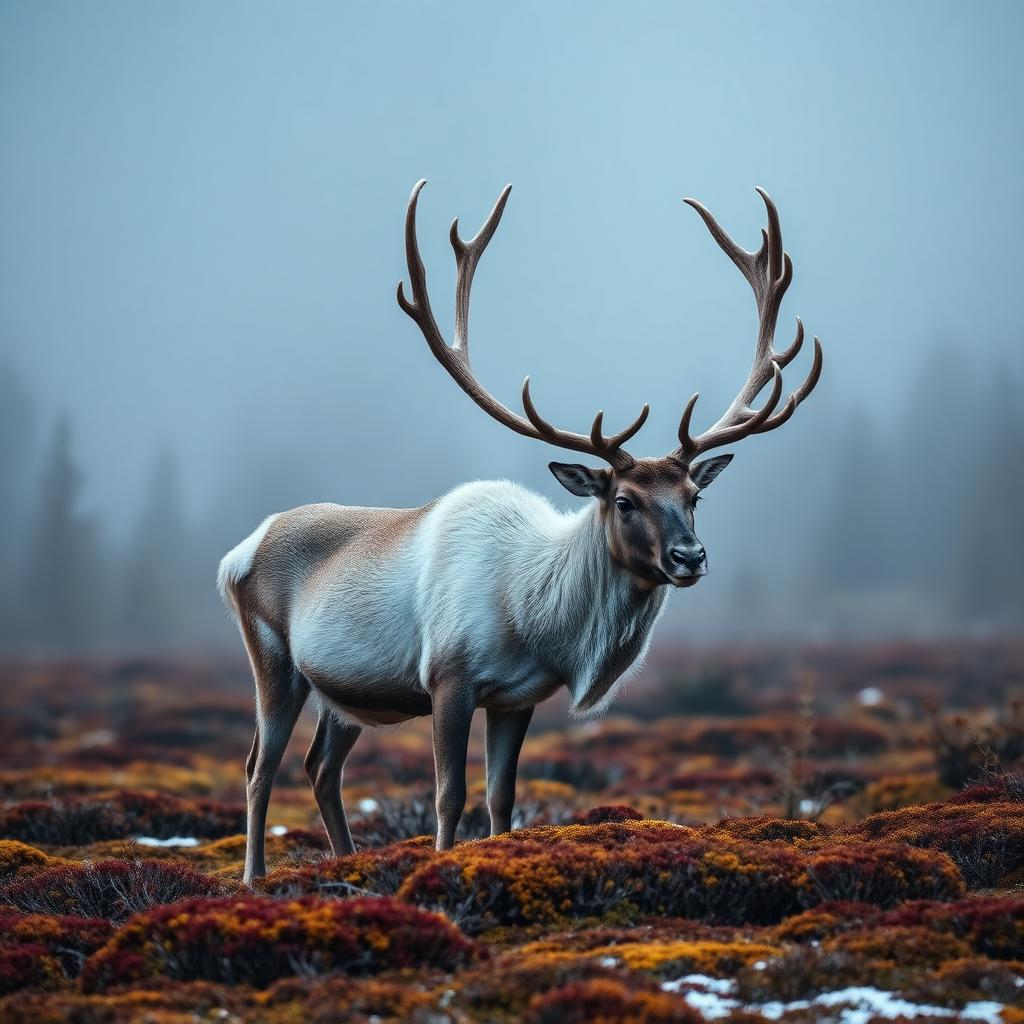
Rangifer tarandus caribou
Woodland caribou
The boreal cousin of tundra caribou — a lichen-eating, old-growth specialist and one of the most imperiled large mammals on the continent.
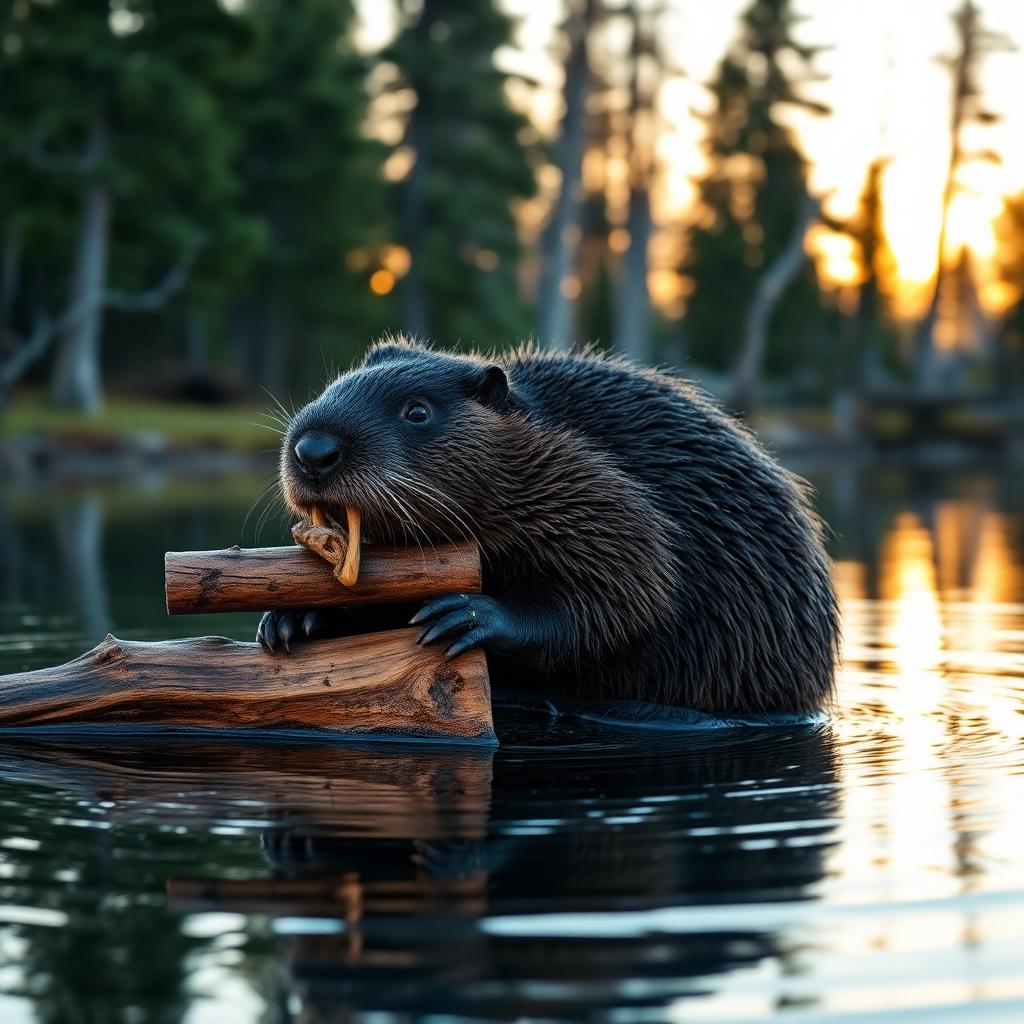
Castor canadensis
North American beaver
The ecosystem engineer — floods valleys, builds fish habitat, feeds moose, and quietly makes the country wetter, cooler, and more resilient.
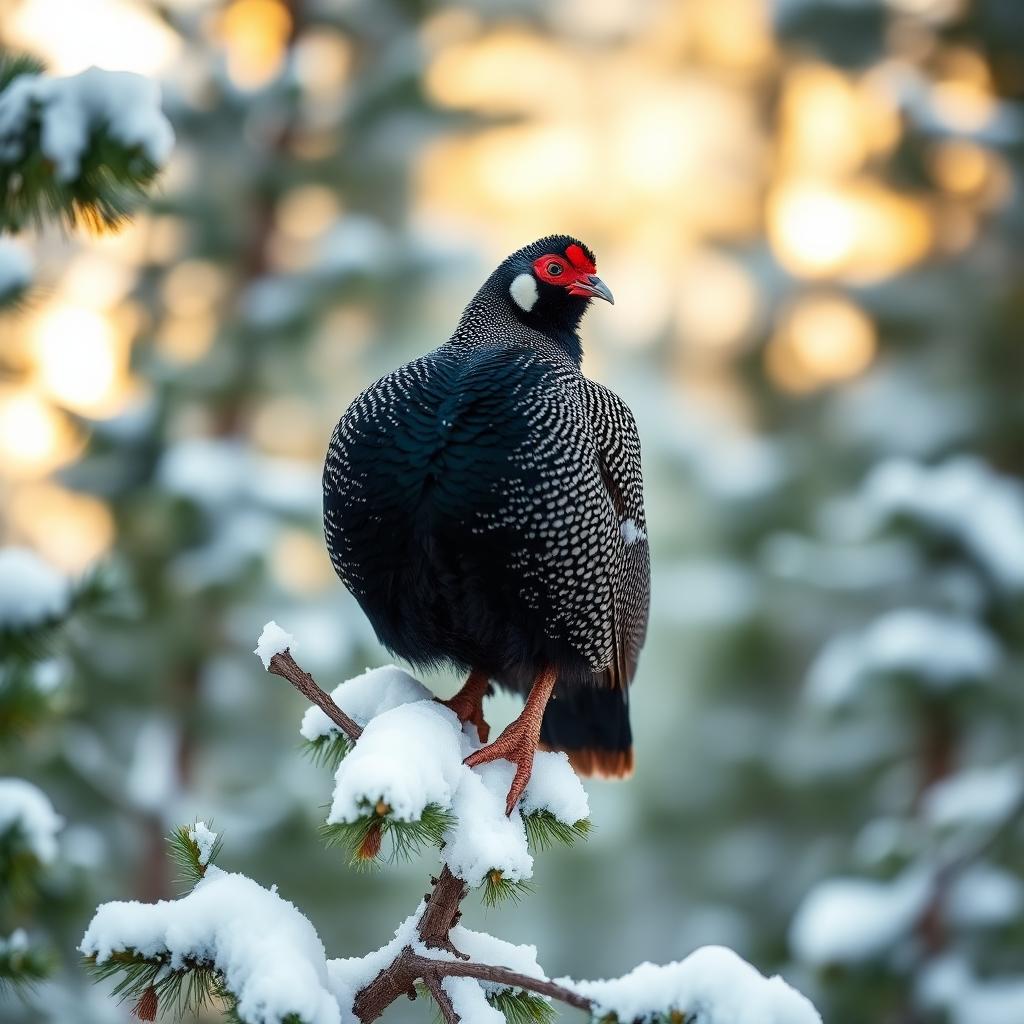
Falcipennis canadensis
Spruce grouse
The fool hen — a chicken-of-the-woods so tame it walks past you, and one of the most reliable survival proteins in the boreal.
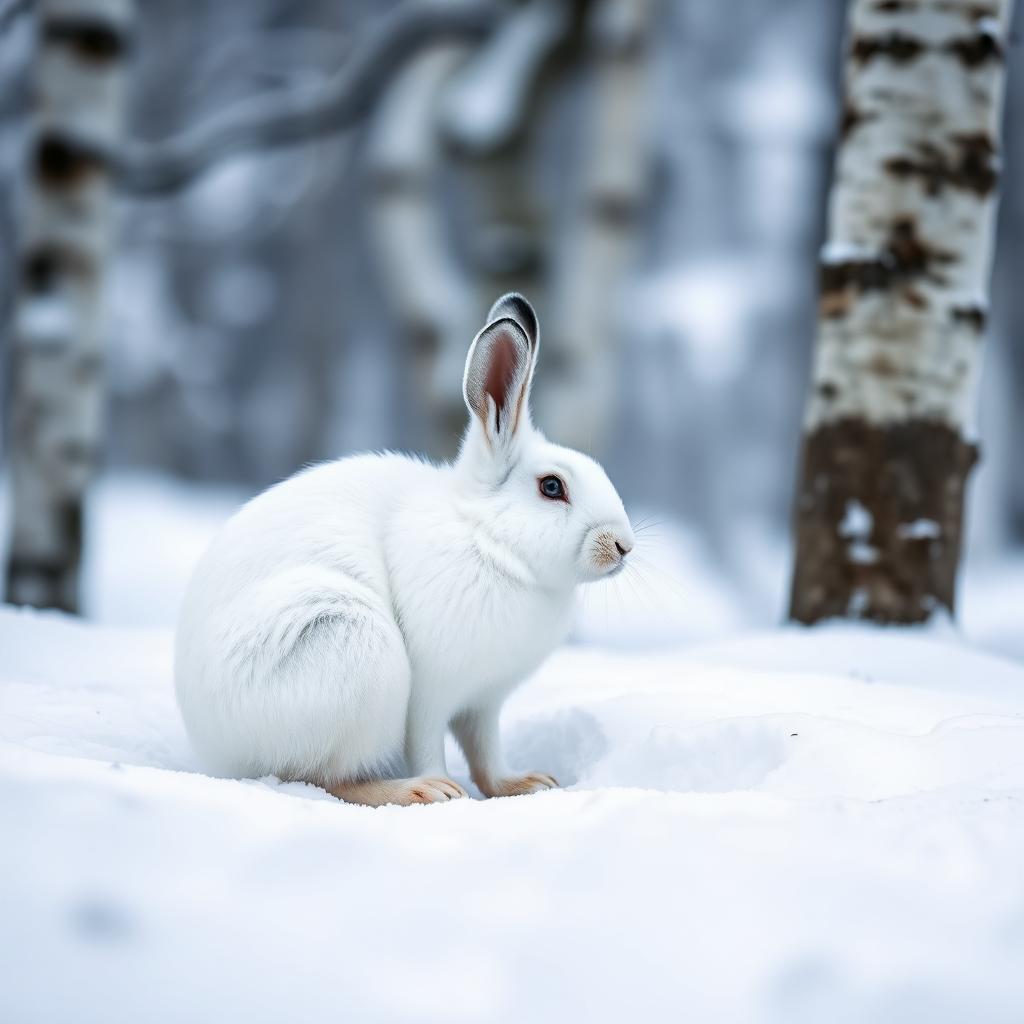
Lepus americanus
Snowshoe hare
The keystone rodent-shaped animal of the boreal — feeds lynx, fisher, marten, owl, fox, and coyote, and turns pure white when the snow arrives.
Vancouver Island (S1–S2)
Coastal rainforest — cougar country, high black bear density, sea wolves.
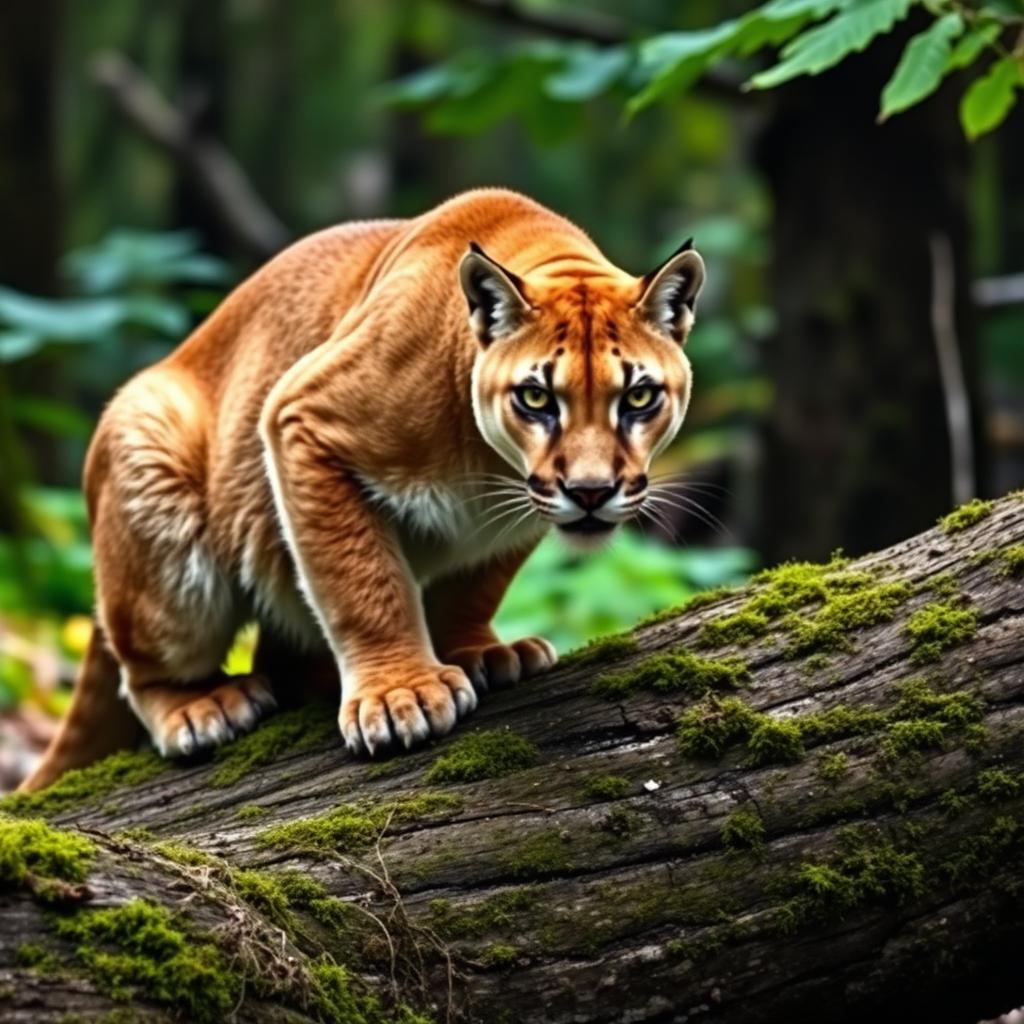
Patagonia (S3)
Andean foothills — puma is the apex; no venomous snakes of concern.
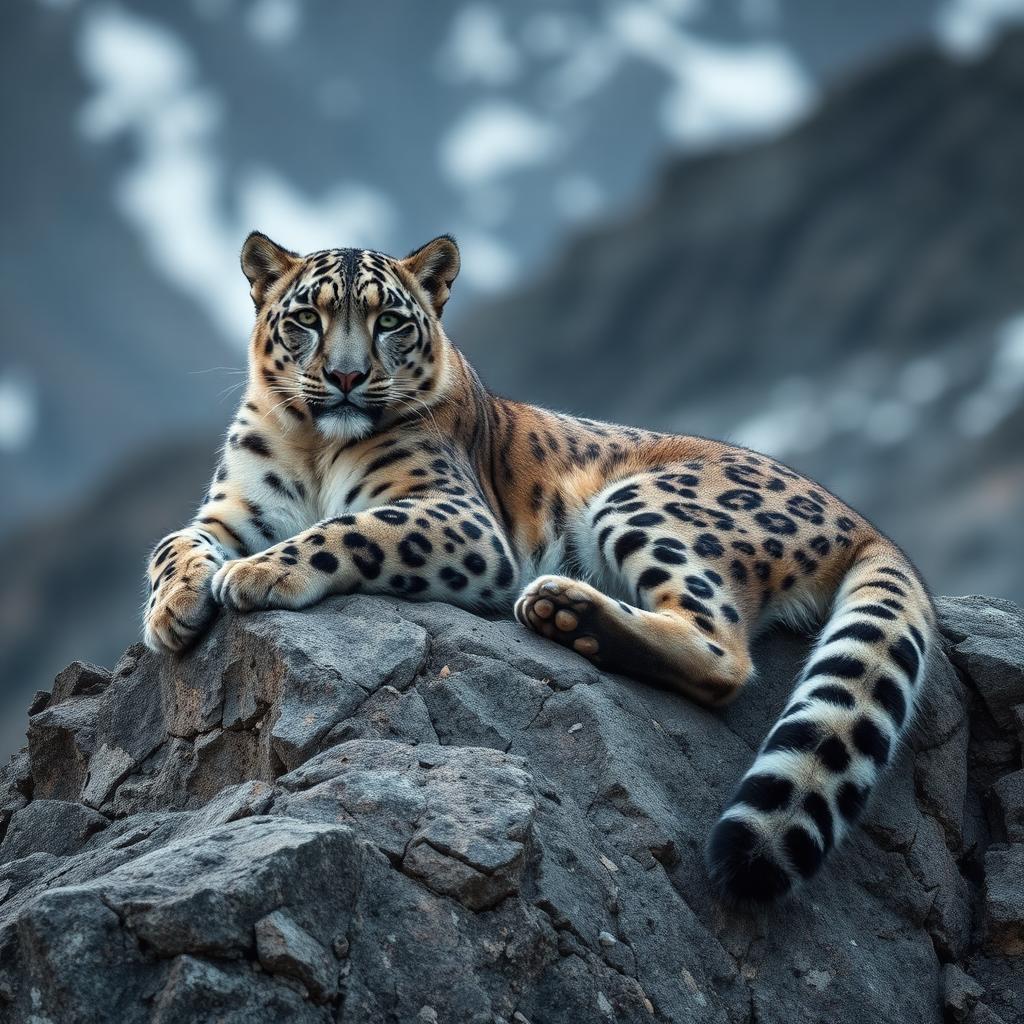
Mongolia (S5)
Steppe and taiga edge — snow leopard, Siberian wolf, brown bear.
Great Slave Lake / Frozen (S6–S7, Frozen)
Sub-arctic — wolves, wolverine, muskox, occasional polar bear on the coast.
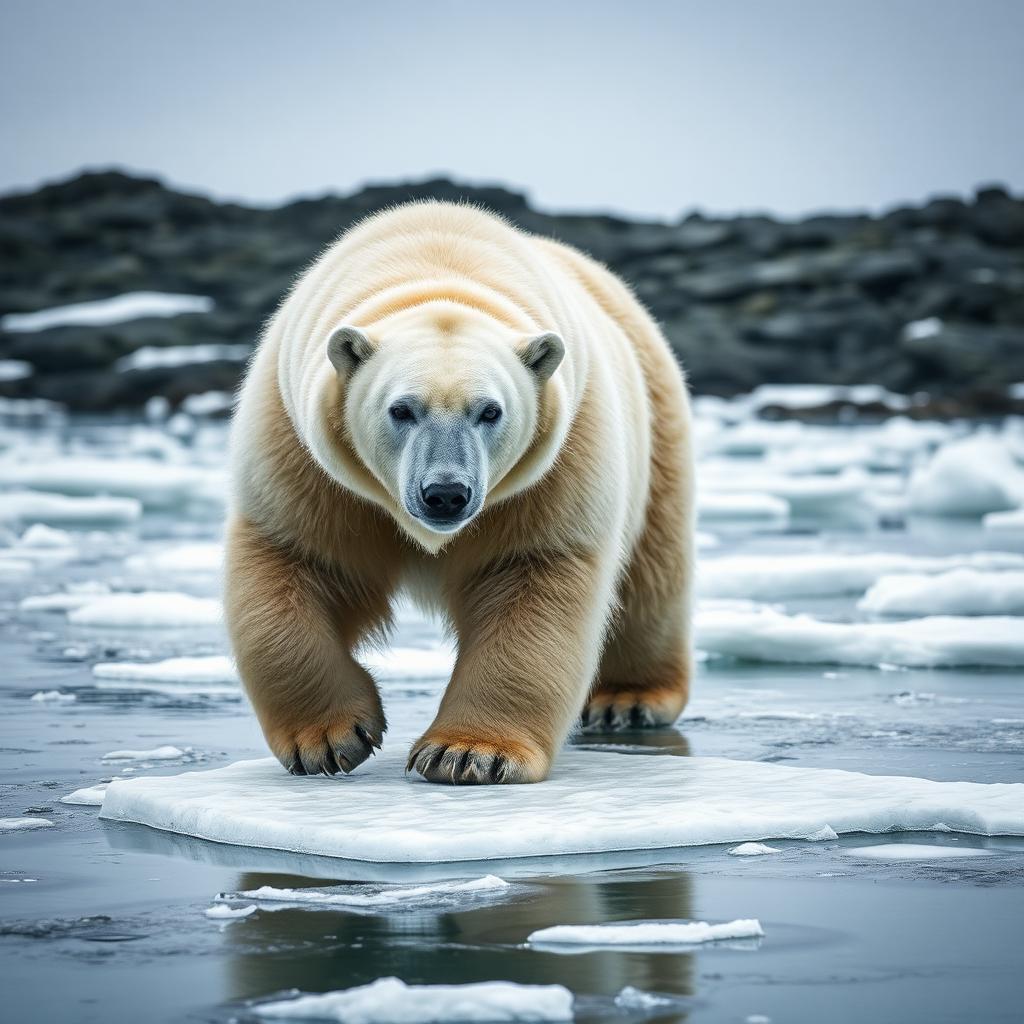 Predator
Ursus maritimus
Polar bear
The only bear on Earth that treats humans as legitimate prey — the reason Labrador and Frozen crews carry a rifle to the shoreline.
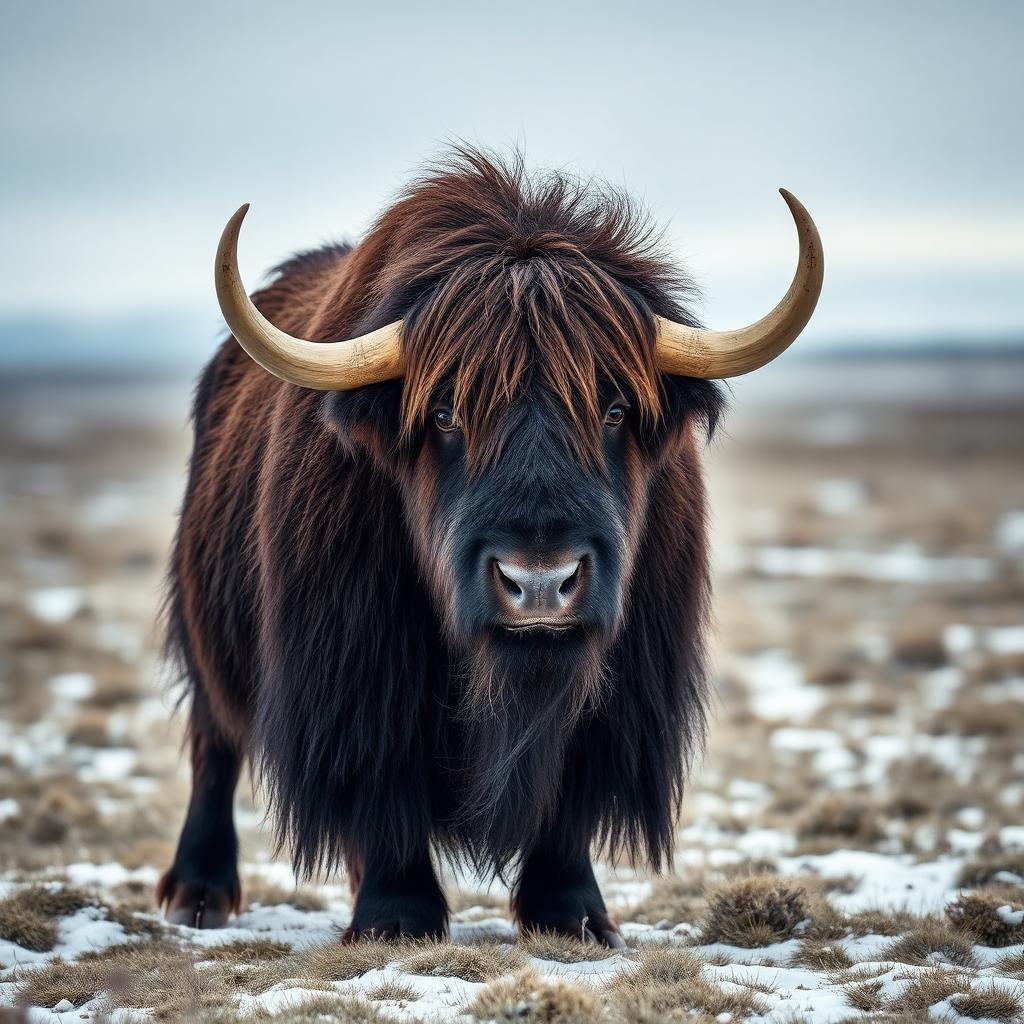 Large mammal
Ovibos moschatus
Muskox
A shaggy 800-pound relic of the Pleistocene — usually indifferent, but a defensive bull can flatten a tent and everything in it.
Chilko Lake, BC (S8)
Interior BC mountains — grizzly, cougar, wolves at elevation.
Labrador (S9)
Sub-arctic coast — black bear, wolves, polar bear along the shore.
Tasmania (Alone Australia)
Cool temperate — tiger snake and Tasmanian devil are the planning problems.
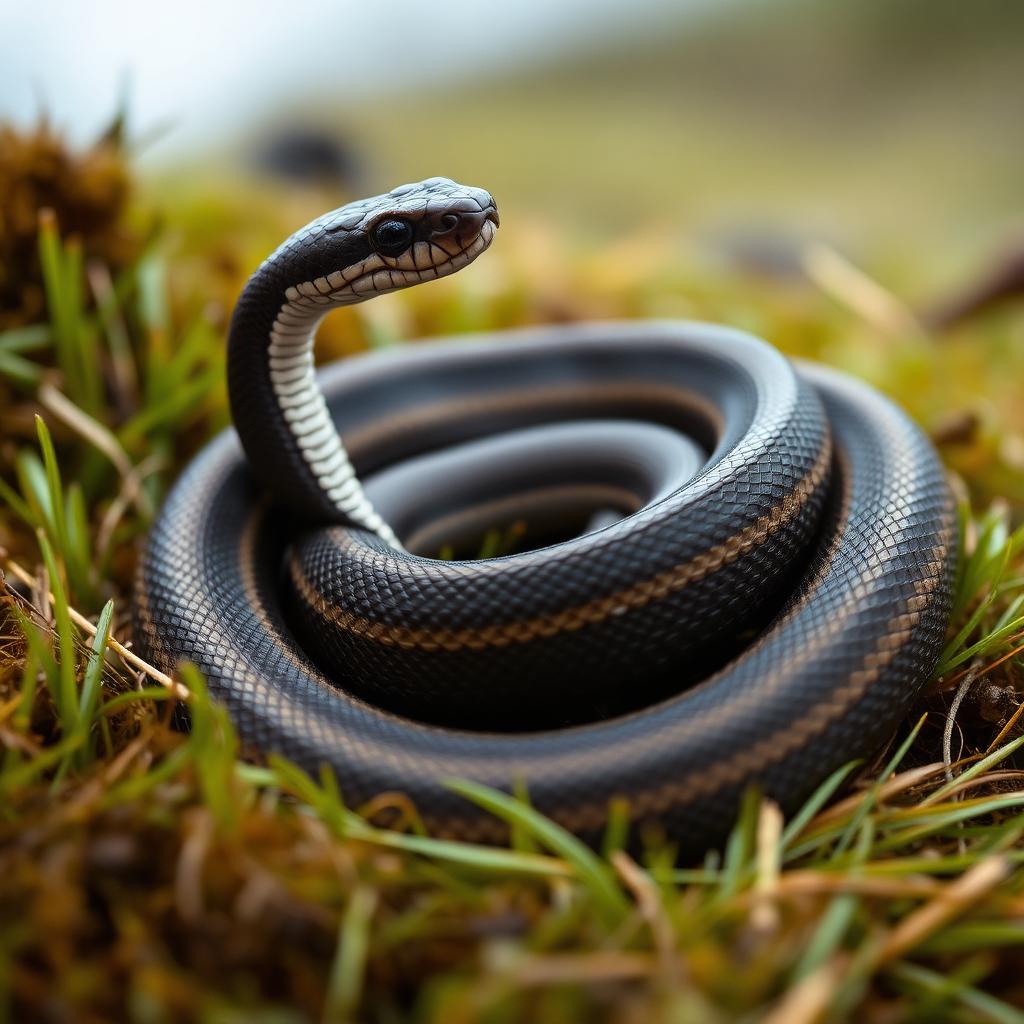 Venomous
Notechis scutatus
Tiger snake
Tasmania's most medically significant snake — highly neurotoxic venom, willing to stand its ground on cool days near water.
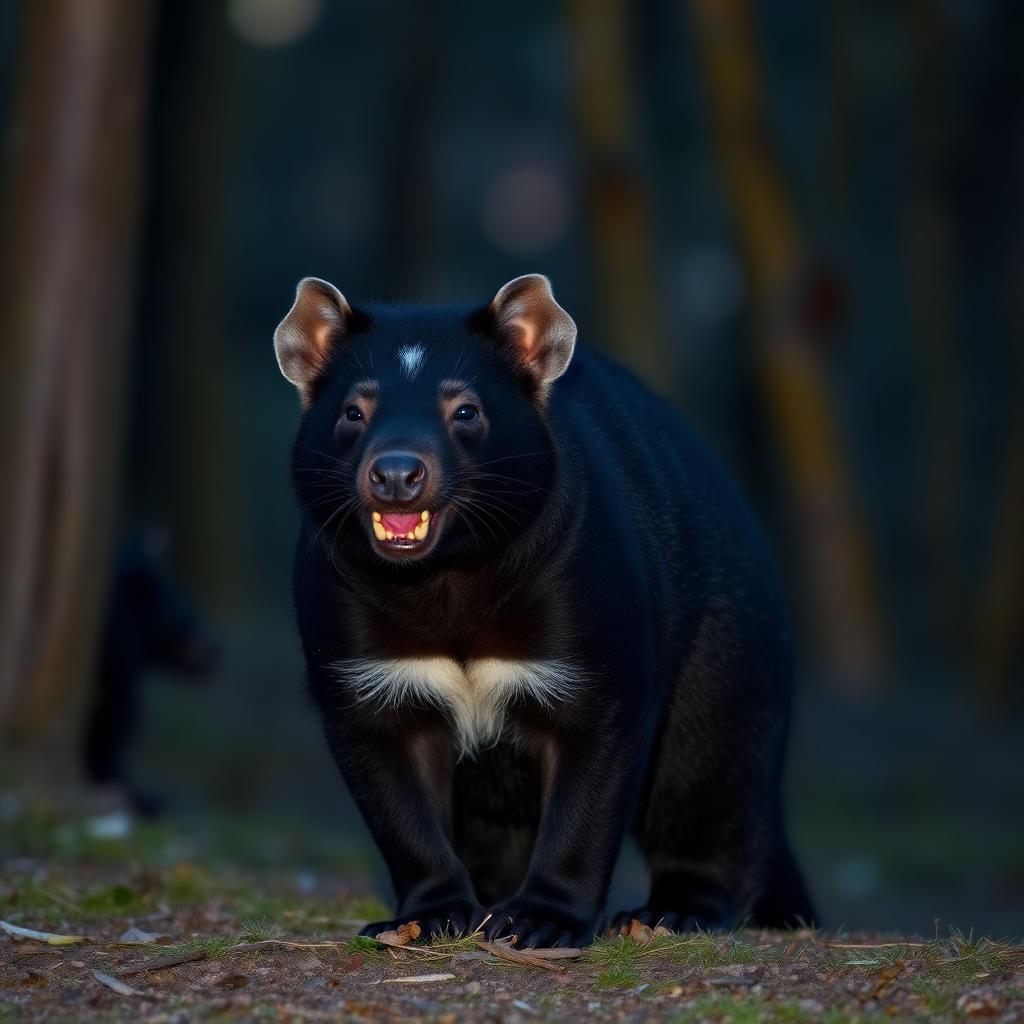 Scavenger
Sarcophilus harrisii
Tasmanian devil
A stocky nocturnal scavenger with the strongest bite-per-body-mass of any living mammal — a nuisance to food caches, not a threat to people.