


From the north · Wildlife
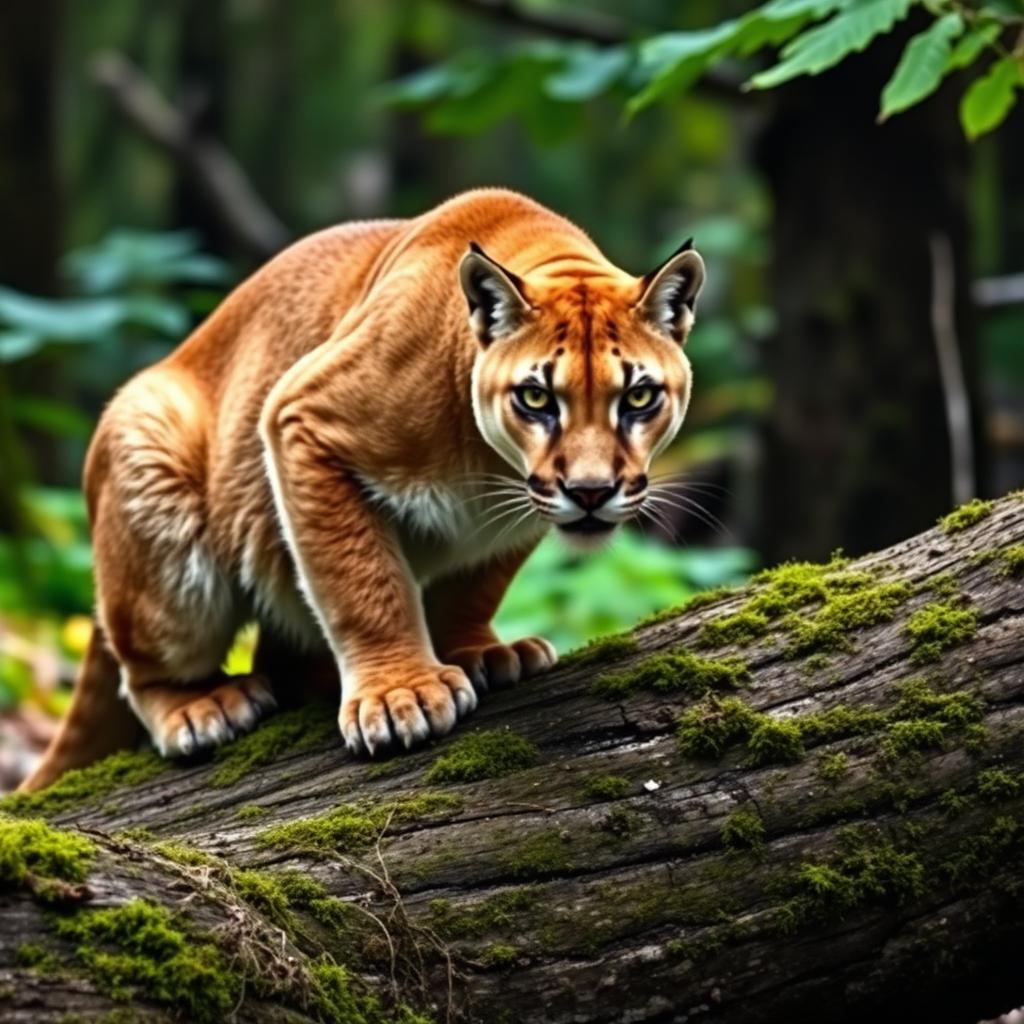
Cougar
The silent apex of Vancouver Island, Chilko, and Patagonia — an ambush cat that watches you long before you know it exists.
Puma concolor
- Weight
- 80–200 lb (36–90 kg)
- Length
- 6–8 ft nose to tail
- Lifespan
- 8–13 yr wild
- Territory
- 50–500 sq mi per adult
- Prey
- Deer, elk, hare, beaver, calves
- Litter
- 2–4 kittens every ~2 yr
- Vertical leap
- 15+ ft standing
- Range
- Yukon to Patagonia — widest of any land mammal in the Americas
Where you find them on Alone terrain
Vancouver Island has the highest cougar density in North America — one cat per few square miles in prime coastal cover. Chilko Lake and the interior BC ranges hold a lower-density but larger-bodied population that overlaps with grizzly and wolf. In Patagonia the same species (puma) is the region's apex predator; there are no bears or wolves competing with it. Bushline edges, deer trails, and steep slabby terrain concentrate them.
How they hunt
Cougars are stalk-and-ambush hunters, almost always attacking from above or behind. A hunt is a slow careful approach inside 30 feet, then a single explosive rush — most kills happen in fewer than three bounds. They target the base of the skull, drag the carcass to cover, and cache it under duff, moss, or snow to return over 3–7 days. A partly buried deer carcass with claw-raked branches over the top is the diagnostic sign.
Encounter behavior
The vast majority of cougars flee humans. The dangerous exception is a young dispersing tom (18–30 months, 90–120 lb) that has not yet learned people are not prey — statistically responsible for most attacks. Signs you have been followed: same tracks appearing in your backtrail, magpies or ravens working a patch of cover you just passed, deer suddenly abandoning a bedding area. Standing tall, holding eye contact, and moving toward the cat is the correct response — running triggers pursuit.
Camp planning
Do not sleep in the open on a game trail or near a fresh kill. In cougar country, keep dogs leashed and inside the shelter at night — they are the single most common trigger for a cougar approach. Cook well away from the sleeping area and store food off the ground. If you find a cached carcass, leave immediately along your backtrail: the cat is nearby and will defend the cache.
Cougar vs. wolf vs. bear
Wolves harass and test; grizzlies charge and bluff; cougars watch and disappear. If you see the cat at all, the ambush window has already closed and you have leverage — most sightings end without incident. The animals you never see are the ones already deciding whether you fit their prey profile.
Reading the tracks
How to identify cougar sign
- Size
- 3–4 in wide, wider than long; no claw marks
- Gait
- Direct-register walk, stride 20–30 in
- Best substrate
- Damp sand along creek benches, fresh snow on game trails, or dust on old logging spurs.
What to look for
Four teardrop toes with a distinct leading toe (asymmetric — you can tell left from right), and a large three-lobed rear pad shaped like a wide M. Never any claw registration.
Don't confuse with
Large dog (round pad, claw marks, symmetric toes) and lynx (smaller, no M-shaped pad, fuzzier outline).
Field notes
- A deer carcass under scraped duff with claw-raked branches on top is a cougar cache — leave now, do not investigate.
- Ravens and magpies mobbing one patch of timber often mark a fresh cougar kill or a bedded cat.
- Solo dispersing toms in late summer are the highest-risk demographic — carry a stout stick or trekking pole and travel loud in dense cover.