


Field guide
Alone Rules
A plain-English breakdown of how the show works — the 10-item selection, the allowed gear list, medical rules, and answers to the questions viewers ask most.
Premise
What is Alone?
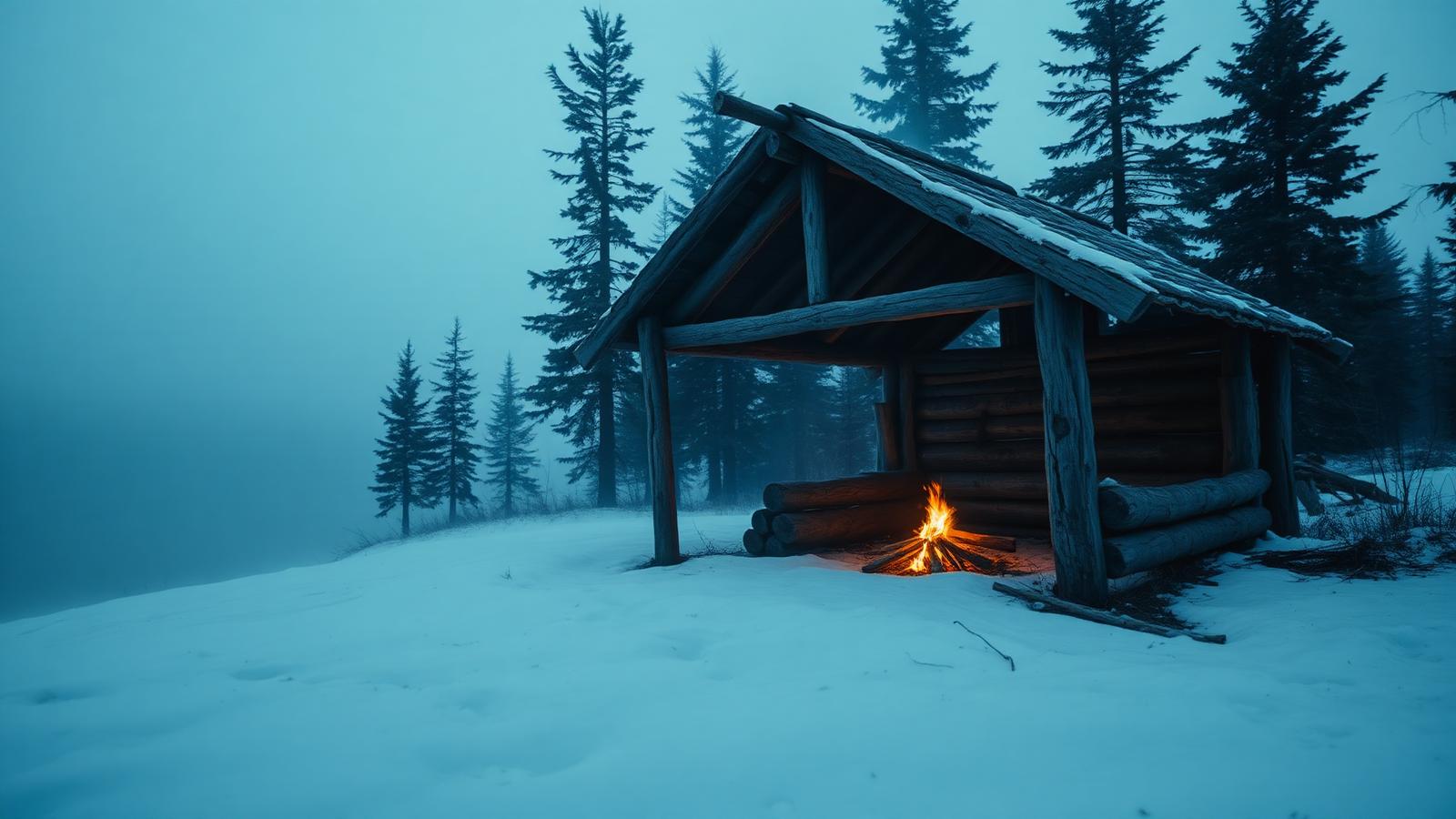
Alone is an unscripted survival competition that drops experienced bushcrafters into remote wilderness — completely solo, without a camera crew — and asks a single question: who can last the longest? Each contestant chooses 10 items from a fixed approved list and carries a self-filming camera kit. There are no challenges, no immunity, no producers whispering in the ear. Tap out by radio, get pulled by medics, or outlast every other person and take home the prize.
The flagship Alone (HISTORY) is joined by Alone: Frozen — a shorter-format winter version in Labrador — and Alone Australia (SBS), filmed in Tasmania and New Zealand. Each variant tweaks the prize, target duration, and location, but the 10-item rule is the constant.
Format
Solo, self-filmed
Duration
Until one person remains
Prize (flagship)
US$500,000
Items
10 (from allowed list)
Clothing
Separate allowance
Contact
Only by satellite phone
The rules
How the game is played
Ten rules define every season of Alone. They are simple to state and brutal in practice — the show is built entirely around them.
- 01
Fully solo
No camera crew in the field. Contestants film every frame themselves with roughly 45–50 lbs of camera gear.
- 02
No outside contact
The satellite phone is for tapping out or medical only — never for advice or coaching.
- 03
10 items only
Every non-clothing item is chosen from the approved list. Everything else is provided or found in the field.
- 04
Clothing is separate
Outerwear, mid layer, base layer, pants, gloves, hat, socks, boots, plus one optional item. No electronic warming.
- 05
Regulated hunting
Local hunting and fishing regulations apply. Production secures the required permits for each region.
- 06
No firearms
Bows (compound, recurve, takedown) and slingshots are allowed. No guns, no ammunition, no explosives, no accelerants.
- 07
No prepared food
No preserved or prepared food. Season-specific starter rations are only allowed when explicitly listed for that season.
- 08
Medical checks
Periodic on-site checks. Automatic pull for extreme weight loss (typically >25–30%), cardiac risk, ketoacidosis, or infection.
- 09
Tap out any time
Radio in and a boat comes. No penalty and no shame — a per-day stipend is paid regardless.
- 10
Last person wins
The grand prize goes to the sole survivor. Ties are settled by scheduled final medical check (rare).
Gear
The allowed items list
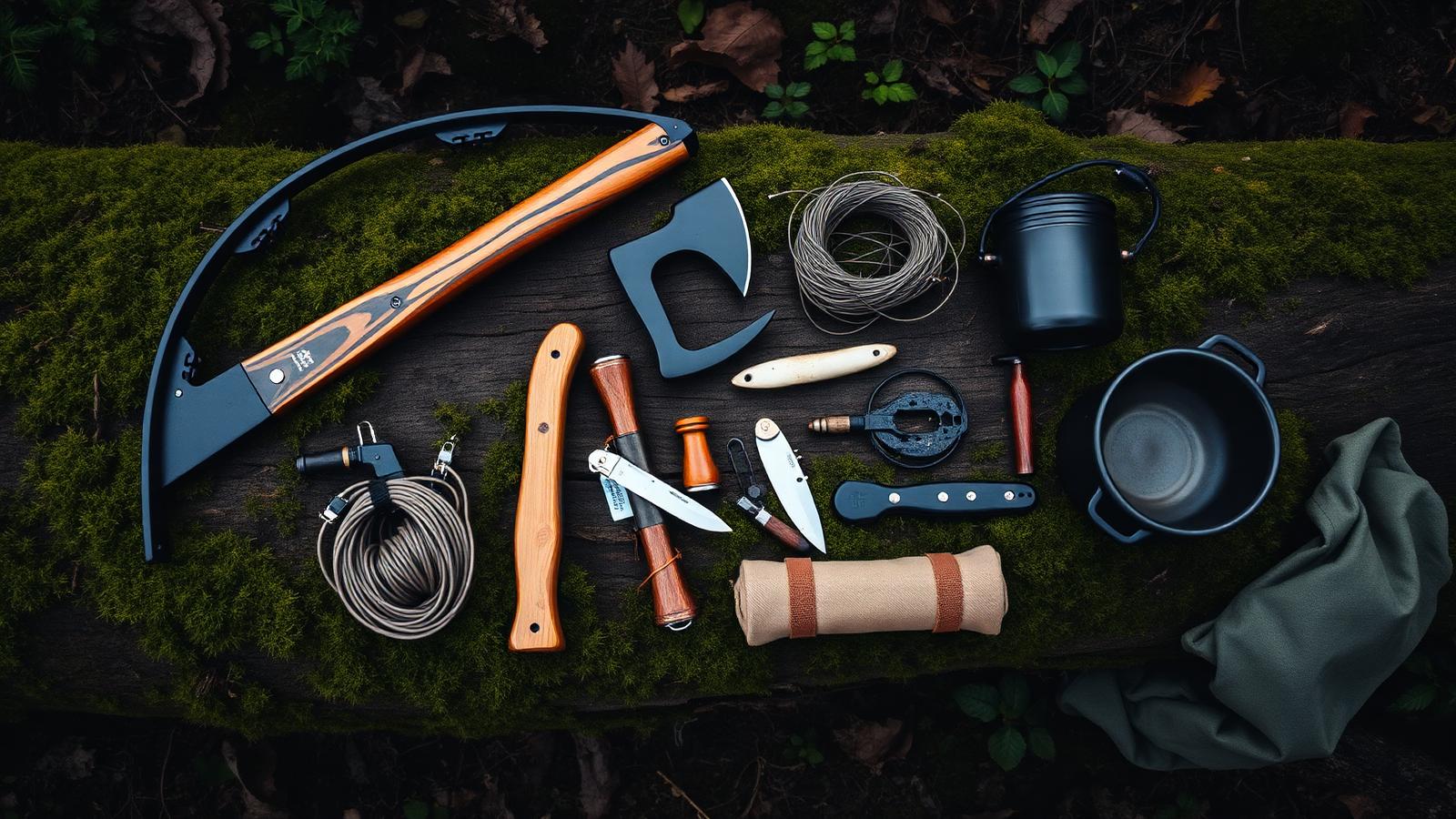
Contestants pick exactly 10 items from this list, with hard limits inside two categories. Individual seasons occasionally add or restrict items (e.g. gill nets banned in some water systems) — always check the current season's rulebook.
Special itemsPick up to 2
- Sleeping bag rated to expected temperatures
- Bivi bag
- 1 × 12'×12' or 3m×3m ground cloth / tarp
- 1 × 8'×10' or 2.4m×3m ground cloth / tarp
- Hammock
Shelter & bedding
- One 5m × 5m nylon flat tarp with tie-outs
- One bear canister — for food storage (season-dependent)
Cooking
- Pot (steel or titanium, up to 2 quart)
- Steel frying pan
- Flint or ferro rod set
- Enamel/steel bowl
- Enamel/steel cup
- Spoon / spork
Sanitation & health
- 8 oz bottle of biodegradable soap
- Toothbrush
- Shaving razor
- Comb
- Pomade
- Face flannel
- Small towel
Tools & weaponsPick up to 4
- Axe (single- or double-bit)
- Saw (bow saw, folding saw)
- Knife (fixed-blade or folder, sheath allowed)
- Multi-tool
- Sharpening stone
- Roll of duct tape (100 mph)
- Small shovel
- Machete
- Compound bow with up to 6 arrows, one broadhead each
- Recurve or takedown recurve bow, up to 6 arrows
- Slingshot / Wrist Rocket with 30 steel ball bearings
- 3 lb roll of trapping wire (snare wire)
- 300 m of a single-filament fishing line + 25 assorted hooks
- One 3-lb spool of paracord / bank line
- Two nets (gill net or cast net, non-mechanical)
Not counted
What production provides
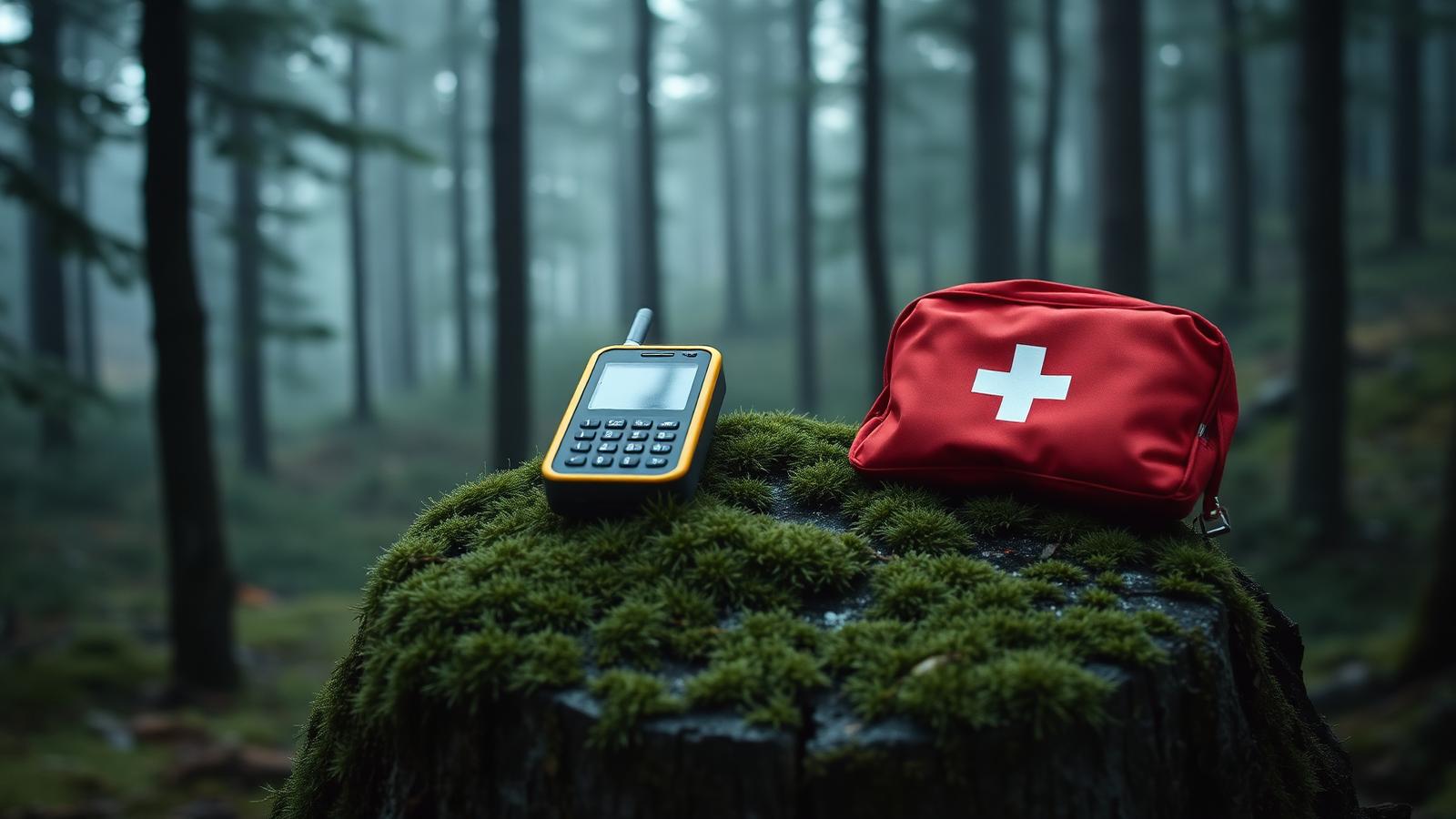
A short list of essentials is issued to every contestant and does not count toward the ten. These items keep the show safe and filmable — they are not survival aids.
- Camera & audio kit (~45–50 lbs)
- Satellite phone — emergency only
- Basic first-aid kit
- Prescription meds & personal ID
- Bear spray & flares (where applicable)
- Seasonal clothing allowance
Try it
Build your own 10-item kit
Our interactive builder enforces the Alone rules in real time. Pick from the approved list, watch the category limits tick down, and pressure-test your loadout before you ever apply.
Every season
Season-by-season pages
Jump into any season for the full contestant roster, location, and winner's 10-item loadout. Season pages that also have a dedicated gear hub are marked.
Loading seasons…
FAQ
Questions we get asked most
›What is Alone and where is it filmed?
Alone is a survival competition produced for HISTORY (A+E Networks) in the US and SBS in Australia. Solo contestants are dropped into remote wilderness with 10 hand-picked items and film themselves. Filming locations have included Vancouver Island, Patagonia, northern Mongolia, Great Slave Lake, Chilko Lake, northern Saskatchewan, Labrador (Frozen), and Tasmania & New Zealand (Australia).
›Are the contestants really alone?
Yes. There is no camera crew in the field. Each contestant carries roughly 45–50 lbs of camera gear and films every scene themselves. Producers only make contact for scheduled medical checks or when a contestant taps out.
›How does a contestant win?
Last person still in the field wins. In the flagship show the prize is US$500,000 (US$1M for the team season 4 and season 7's 100-day challenge). Alone Australia pays AUD$250,000. Contestants can tap out at any time by radio, or be pulled by medical staff.
›How are the 10 items chosen?
Contestants pick 10 items from a fixed approved list published by the show. The list is grouped into categories — Special (limit 2), Tools & Weapons (limit 4), Cooking, Shelter & Bedding, Sanitation & Health, plus Safety & First Aid items that are provided and don't count. See the full allowed list below.
›What clothing are contestants allowed?
A separate clothing allowance in addition to the 10 items: outerwear layer, mid layer, base layer, pants, gloves, hat, socks, boots, and one optional additional item (e.g. gaiters). No electronic warming, no chemical hand warmers.
›What is provided by production and doesn't count toward the 10?
A satellite phone (contact only), the camera and audio kit, medical kit with basic first aid (limited bandages, gauze, antiseptic, tampons, dental floss, sunscreen, insect repellent), personal ID, prescription medication, eyeglasses, and a small bear-safety kit where applicable (bear spray, flares).
›Are firearms allowed?
No — no firearms of any kind. Bows are permitted (compound, recurve, or takedown recurve) with up to 6 arrows and one broadhead per arrow. Slingshots are allowed. Ammunition, gunpowder, and modern explosives are banned.
›Can contestants bring food?
No prepared or preserved food. They may bring 1 kg of any single food item that could be considered survival fuel (e.g. rice, oatmeal, coffee) only if it's on the current season's approved list — most seasons do not allow any starter food. Salt, spices, and cooking oil are not allowed.
›How often do medical checks happen?
Historically every ~21 days in early seasons, shifting to more frequent visits in longer seasons. Contestants who fail a check (usually >25–30% body weight loss, dangerous ketones, cardiac issues, or infection) are medically pulled.
›What happens to caught fish and game?
It's all real. Contestants keep, prepare, and eat everything they catch. Local hunting/fishing regulations are followed and permits are secured by production.
›Do contestants get paid if they tap out early?
Yes, a per-day stipend during production, but only the winner receives the grand prize. Amounts are not publicly disclosed.
›Where can I watch Alone?
In the US, on HISTORY, the History Channel app, and streaming on Hulu / Peacock (rotating). Alone Australia streams on SBS On Demand in Australia and on The CW / Prime Video in the US. Alone: Frozen and Alone: The Skills Challenge are on HISTORY.
Keep going
Explore more Alone coverage
- ContestantsEvery contestant, every season — searchable.
- Gear on AloneApproved 10-item categories & real-world picks.
- Seasons indexLocations, air years, winners for every season.
- LocationsEvery filming region and what makes it brutal.
- 10-Item BuilderPick your 10 with live Alone rule enforcement.
- Alone Clothes BuilderBuild a legal Alone clothing layer set.
- Expedition Clothes BuilderPlan a full layered system for your own trip.
- Winner kitsThe exact 10 items every winner brought.
- Clothes that winLayering patterns of finalists & winners.
- Approved gear listThe full official 10-item approved list.
- Winners' gearEvery winner's kit compared side-by-side.
- Contender quizCould you survive? Take the 5-minute quiz.
Wild10Basecamp is an independent editorial site. Alone®, Alone: Frozen®, and Alone Australia® are marks of their respective networks. All rules and prize amounts are summarized from publicly published show materials and are subject to change season by season.