


Resources
Outdoor Skills
106 bite-size wilderness tutorials — the kind of things you want in your head before you need them. Each skill is one screen: three to six steps, a tip, and any real warnings.
8 skills

Signaling
20 minBuild a signal fire that gets seen
The point of a signal fire is smoke and contrast, not warmth.
- Pick a spot with a wide sky view — a ridge, clearing, or lakeshore. Not under trees.
- Build three fires in a triangle 25 m apart if you have the fuel; three of anything is a distress signal.
- Keep a pile of green boughs, wet moss, or damp grass at each fire, ready to dump on.
- Against snow use dark smoke: green vegetation. Against dark forest use white smoke: damp grass, moss.
- Only light when you actually hear or see a search — smoke ignored is smoke wasted.
Bear Grylls — Perfect Signal Fire

Signaling
5 minAim a signal mirror at an aircraft
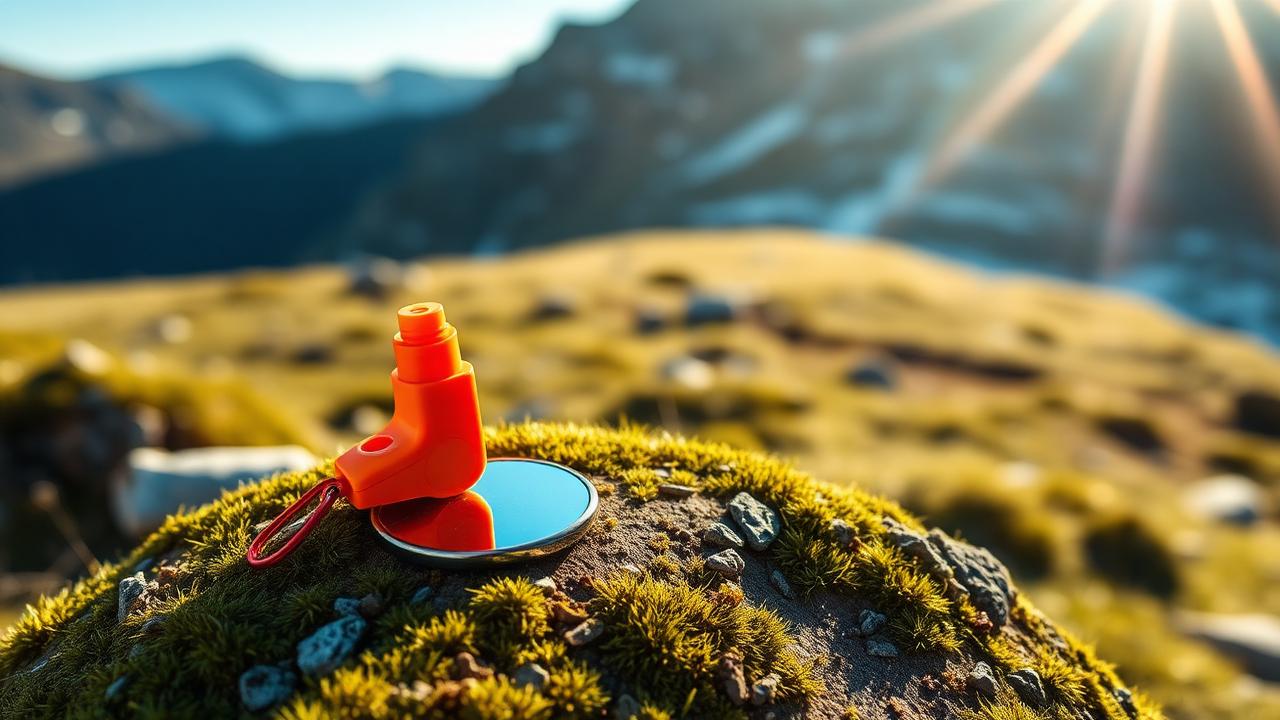
A signal mirror is visible 20+ miles on a clear day — but only if you aim it.
- Hold the mirror close to your face and sight through the aiming hole (or over the top edge).
- Extend the other hand as a V with two fingers framing the aircraft.
- Tilt the mirror until the bright spot from the sunbeam lands on your fingers.
- Sweep across the aircraft repeatedly — a moving flash catches attention.
- Even without a proper mirror, use a phone screen, CD, or polished can lid the same way.
MNWoodland — How to Use a Signal Mirror

Signaling
10 minGround-to-air signals every pilot knows
Five internationally recognized symbols. Make each one 10 ft / 3 m tall in high-contrast material.
- V = require assistance.
- X = require medical assistance.
- N = no or negative.
- Y = yes or affirmative.
- → (arrow) = proceeding in this direction.
- Stomp them into snow, dig them into sand, or lay them out in dark logs on light ground.
Tip: Size and contrast matter more than shape. From 2,000 ft, small is invisible.
Forest & Lands — Signaling 101
Signaling
10 minSignal for rescue with the rule of three
Three of anything — fires, whistle blasts, gunshots, flashes — is the international distress signal recognized by rescuers.
- Build three signal fires in a triangle or straight line with 30–50 feet between them, in the largest clearing you can find.
- Prep them fully but light only when you hear or see aircraft or searchers — the goal is instant ignition, not constant burn.
- Have wet leaves, green boughs, or damp moss ready to throw on for thick smoke by day.
- By night, add dry fuel for tall, bright flames.
- If you have a whistle, use three sharp blasts, pause, repeat. Three flashes with a mirror or headlamp follow the same pattern.
Tip: Rescuers look for straight lines and geometric shapes because they don't occur in nature. A single fire may be dismissed; three in pattern is unmistakable.
Signaling
5 minSignal SOS with light, sound, or ground marks
SOS is the most universally recognized distress signal — three short, three long, three short — with any signaling method.
- Light or sound: three short bursts, three long bursts, three short bursts, pause, repeat.
- With a whistle: three quick chirps, three 2-second blasts, three quick chirps.
- With a flashlight or mirror: three short flashes, three long flashes, three short flashes toward the observer.
- On the ground: stamp or scrape 'SOS' in letters at least 10 feet tall in snow, sand, or a clearing.
- Keep repeating in cycles with a pause between; a single SOS is easy to miss.
Tip: The pattern matters more than the medium. A rescuer who hears three-three-three anything will investigate.
Signaling
5 minChoose high-contrast colors for signal panels
Contrast beats color. What matters is that your signal looks nothing like the ground around it.
- In snow or on light rock: use dark materials — a garbage bag, dark jacket, or scorched wood.
- In green forest or grass: use bright orange, yellow, or blaze pink if you have them; a silver space blanket also works.
- On dark ground or wet dirt: light or reflective materials — foil, mirrors, or white cloth.
- Weight the corners and edges with rocks so the panel doesn't blow away.
- Combine ground panels with a geometric shape — a big X or triangle — so aircraft recognize it as human-made.
Tip: Bright red is the color humans notice fastest in natural settings. If you have a red jacket, keep it on top when signaling.
Signaling
5 minSignal with a whistle
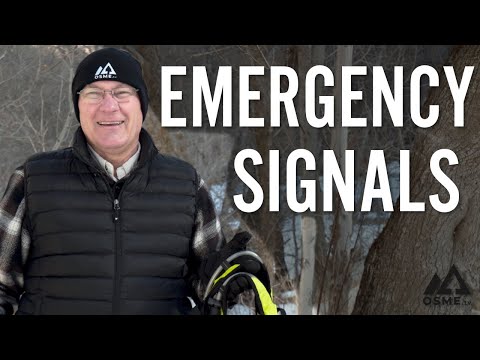
A whistle carries farther than a voice and works when you're exhausted. Three blasts is the universal distress call.
- Three short blasts = distress or need help.
- Three of anything — whistle, flashes, shouts — is recognized as a call for assistance.
- Pause after each set of three to listen for a response.
- Two blasts can mean 'all clear' or 'come here' within a group, but agree on meanings beforehand.
- Blow in bursts; a continuous blast wastes breath and is harder to locate.
Tip: Carry a whistle on your pack strap or neck lanyard, not buried in a pocket. Seconds matter in moving water or dense brush.
OSMEtv — Emergency Signals

Signaling
30 minBuild a night signal fire
At night, flame and light contrast matter more than smoke. A signal fire needs to be seen from the air.
- Choose a high, open spot with a clear view of the sky — ridge, clearing, or shoreline.
- Build three small fires in a triangle 25 meters apart if you have the fuel and it's safe.
- Keep a large supply of dry, fast-burning material ready to throw on when you hear an aircraft.
- Use bright flames against dark terrain; against snow, dark smoke from green boughs contrasts better.
- Only light when you have reason to believe searchers are nearby — a fire left burning is a fire that can escape.
Warning: Never build signal fires in dry, windy conditions where embers can ignite surrounding forest. Clear the ground to mineral soil first.
The Gray Bearded Green Beret — How to Signal for Rescue
Educational reference only. Wilderness conditions change fast — practice in low-stakes settings, take a certified wilderness first-aid course, and confirm regional regulations (fire, fishing, foraging, snaring) before you rely on any of these skills in the field.