
Best overall backpacking boot
Lowa Renegade GTX Mid
Best for: Multi-day trips with a real pack
Nubuck upper, Gore-Tex, rebuildable — a boot you can resole a decade in.
Research pending — no verified product page yet


Buying guide
Outdoor boots include hiking, backpacking, mountaineering, and bushcraft boots — mid- or high-cut footwear with lugged outsoles, a stiffness rating, and (usually) some form of water resistance.
By Wild10 Editors · Fieldcraft desk · Updated 7/16/2026
Outdoor boots include hiking, backpacking, mountaineering, and bushcraft boots — mid- or high-cut footwear with lugged outsoles, a stiffness rating, and (usually) some form of water resistance.
Backpackers, day hikers, hunters, bushcrafters, and travellers whose day includes a mix of trail, off-trail, and camp use.
Rated B0 (flexible) to B3 (crampon-compatible). Match to load and terrain, not aesthetics.
Gore-Tex and equivalents help in wet cold, but trap sweat in warm weather. Non-membrane leather may be superior above 20 °C.
Vibram Megagrip on wet rock; deeper lugs for mud; sticky rubber for scrambling.
Half-size larger than street shoes; heel lock without pressure; toe box that clears descending pressure.
| Use | Cut | Stiffness | Membrane |
|---|---|---|---|
| Day hiking, mild trail | Low or mid | B0 | Optional |
| Backpacking, 30+ lb pack | Mid or high | B0–B1 | Yes for wet regions |
| Bushcraft / off-trail | Mid to high leather | B1 | Optional (dry leather often better) |
| Alpine + crampons | High | B2–B3 | Yes |
| Upper | Break-in | Repairable | Wet performance | Warmth |
|---|---|---|---|---|
| Full-grain leather | Long | Resole | Excellent when maintained | Warm |
| Nubuck / suede | Medium | Resole | Good | Medium |
| Synthetic mesh | None | Limited | Dries fast, wets fast | Cool |
Cold-wet climates favor insulated leather with a membrane. Hot-dry climates favor ventilated non-membrane boots or trail runners. Alpine ice needs a crampon-compatible B2+ boot.
Buy boots in the afternoon; feet swell 4–6% during long days. Bring the socks you'll actually wear. Aim for a thumb's width in front of the toes when standing flat.
Best overall backpacking boot
Best for: Multi-day trips with a real pack
Nubuck upper, Gore-Tex, rebuildable — a boot you can resole a decade in.
Research pending — no verified product page yet
Best value
Best for: First serious hiking boot under $180
Reliable outsole and honest waterproof mid.
Research pending — no verified product page yet
Best premium bushcraft boot
Best for: All-year off-trail and camp use
Norwegian-welt leather, replaceable insole system, decades of resoling.
Research pending — no verified product page yet
Best for beginners
Best for: First trail hikers who don't know what they'll like yet
Comfortable out of the box, familiar sizing, cheap to replace.
Research pending — no verified product page yet
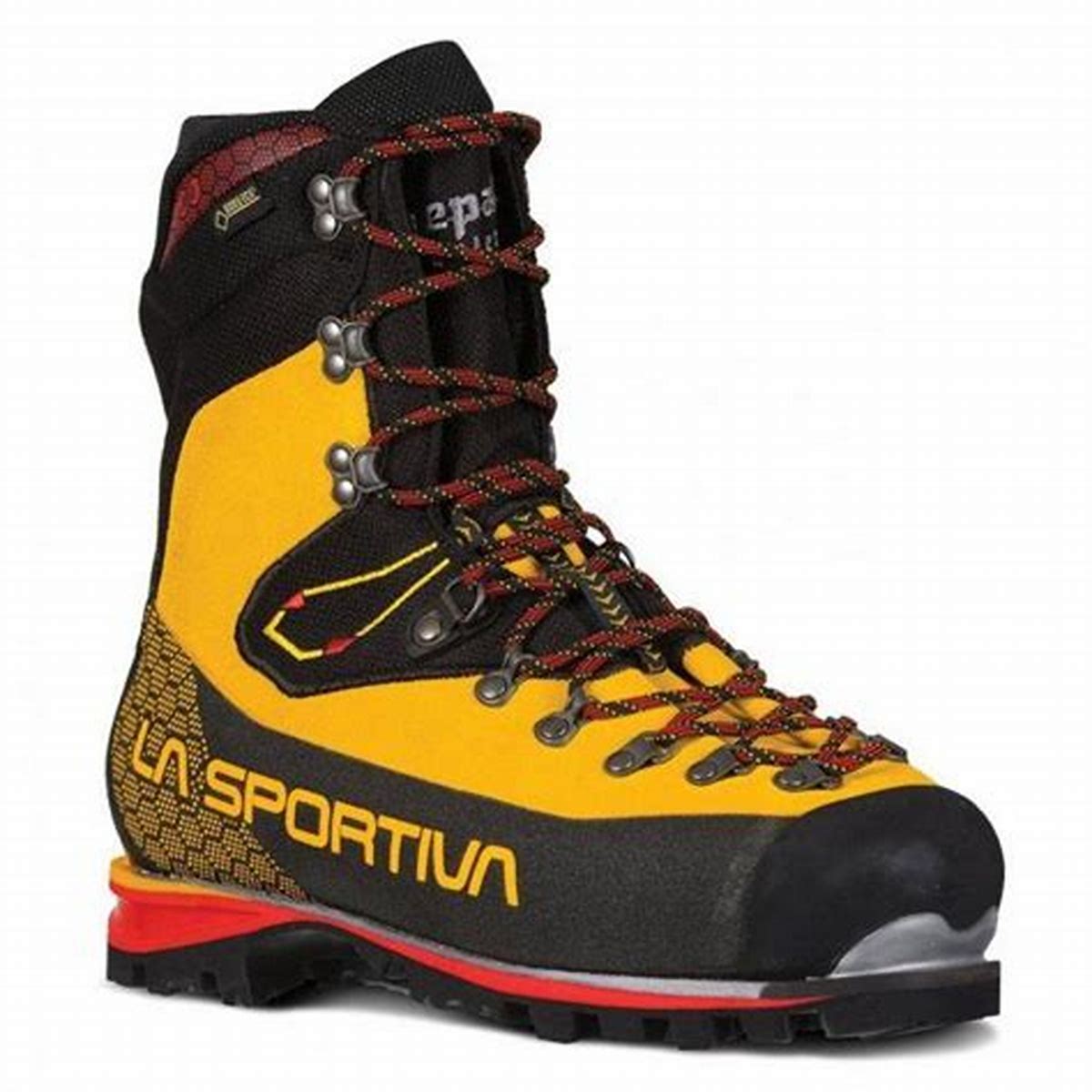
Best mountaineering boot
Best for: Alpine climbs requiring crampons
B3 stiffness with a warm insulation package.
Verified product record
Best desert / dry hiking
Best for: Warm-dry country where breathability matters more than waterproofing
Non-membrane leather, dries fast, breathable.
Research pending — no verified product page yet
| Role | Product | Brand | Price (USD) | Weight | Made in |
|---|---|---|---|---|---|
| Best mountaineering boot | Nepal Cube GTX | La Sportiva | $269 | — | Italy |
Boot picks assume medium-volume feet with a normal arch. All picks have been worn by at least one contributor for 100+ trail miles or are labeled 'specification researched' on their product page.