

Beyond Alone · Best: Jul – Sep
Julian Alps & Triglav National Park
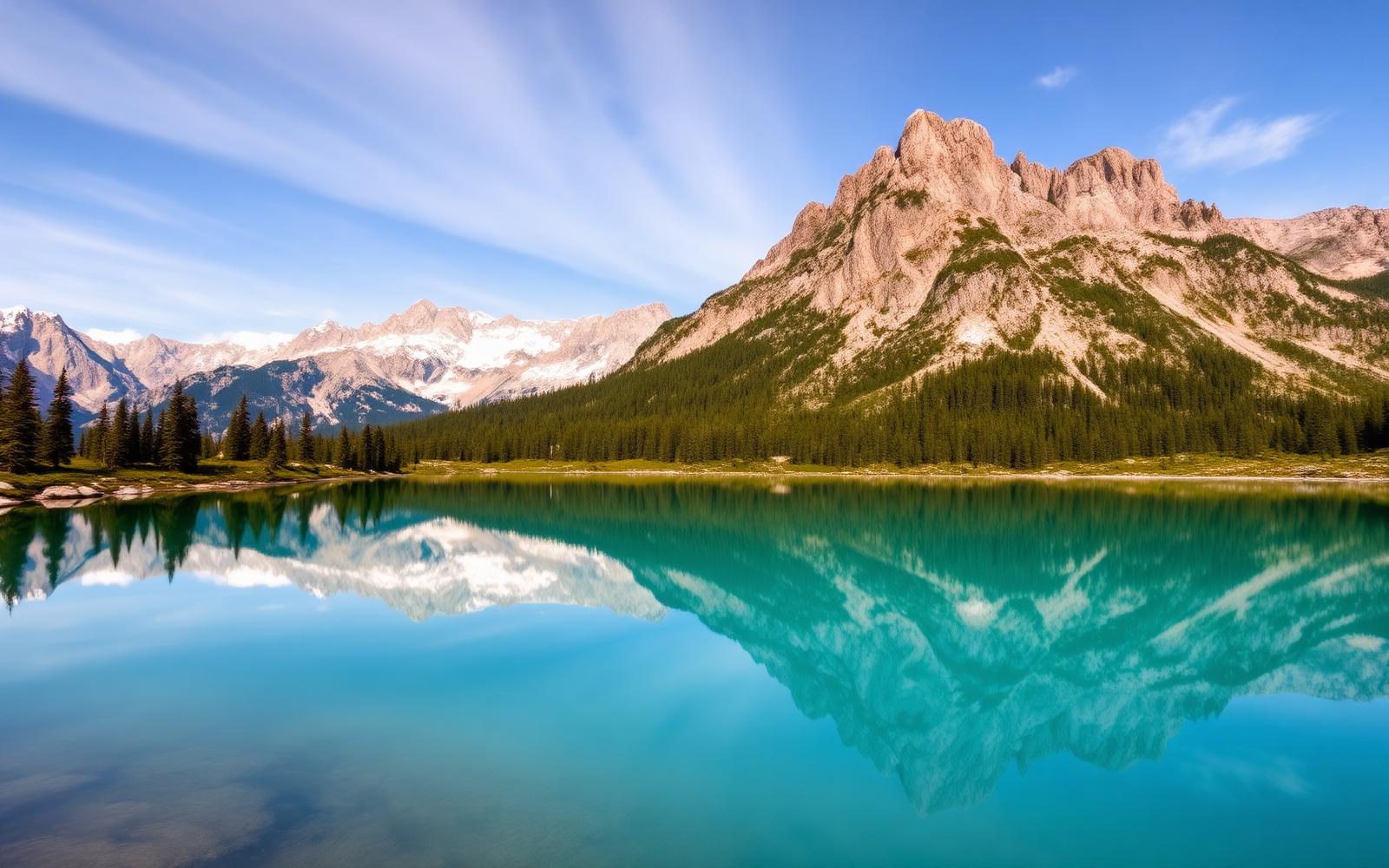
Slovenia's alpine centerpiece — turquoise rivers, karst caves, and the country's most-climbed peak.
Slovenia
Where on earth
Satellite imagery flying in from a world view to Julian Alps & Triglav National Park, Slovenia.
- Biome
- Southern Limestone Alps
- Elevation
- 500 – 2,864 m (Triglav)
- Best window
- Jul – Sep
- Key draws
- Triglav via Prag/Kredarica, Soča valley, Seven Lakes
- Watch for
- Afternoon storms, via ferrata sections
The country
Compact but genuinely alpine — Triglav rises from a network of glacial valleys and karst plateaus. The Soča valley has some of Europe's clearest whitewater.
Why enthusiasts come
Triglav (usually via Kredarica hut) is a two-day objective. The Seven Lakes valley is a lovely lower-alpine alternative. Kayaking and rafting the Soča are separate careers.
Planner-relevant notes
Alpine huts (koče) run a national association booking system. Steel-cabled ferrata sections require via ferrata kit above Krederica.
Field notes
- Slovenian mountain code strongly discourages descending in storm — sit tight in huts.
- Wild camping is technically prohibited — huts or valley campgrounds.
- Water on the Kredarica route is scarce — carry enough for the ridge day.
Frequently asked about Julian Alps & Triglav National Park
- Where is Julian Alps & Triglav National Park?
- Julian Alps & Triglav National Park is in Slovenia. Slovenia's alpine centerpiece — turquoise rivers, karst caves, and the country's most-climbed peak.
- What is the climate like at Julian Alps & Triglav National Park?
- Southern Limestone Alps. Compact but genuinely alpine — Triglav rises from a network of glacial valleys and karst plateaus. The Soča valley has some of Europe's clearest whitewater.