


Beyond Alone · Best: Dec – Apr (dry season)
Corcovado National Park
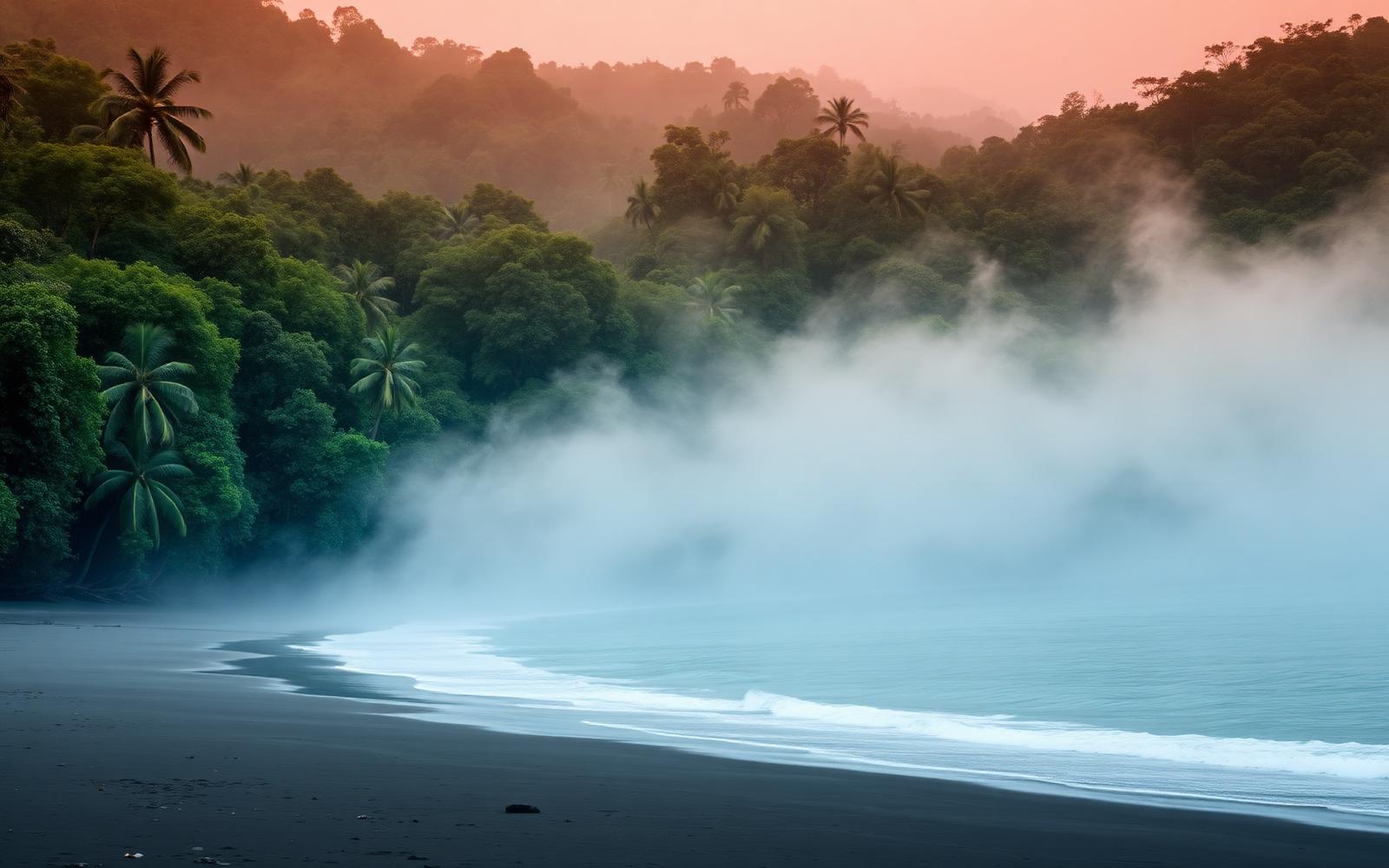
'The most biologically intense place on Earth' — Pacific coast lowland rainforest with jaguars.
Osa Peninsula, Costa Rica
Where on earth
Satellite imagery flying in from a world view to Corcovado National Park, Osa Peninsula, Costa Rica.
- Biome
- Neotropical lowland rainforest
- Elevation
- 0 – 745 m
- Best window
- Dec – Apr
- Key draws
- Sirena Ranger Station, coastal trails, wildlife
- Watch for
- Tide-timed beach sections, snakes, crocs
The country
Costa Rica's Osa Peninsula holds the largest remaining Central American lowland rainforest. Jaguars, tapirs, all four monkey species, scarlet macaws, and bull sharks all live in a single national park.
Why enthusiasts come
The multi-day route through Sirena is one of the most wildlife-dense treks on Earth. Certified guides are required for all park hiking.
Planner-relevant notes
Ranger station stays require months-ahead reservations. Coastal sections between stations are tide-critical — guides carry tables.
Field notes
- Beach sections at high tide are impassable — timing is not optional.
- River-mouth crocs are a real hazard; guides know the safe crossings.
- Bring only quick-dry clothing — nothing dries in the wet season.
Frequently asked about Corcovado National Park
- Where is Corcovado National Park?
- Corcovado National Park is in Osa Peninsula, Costa Rica. 'The most biologically intense place on Earth' — Pacific coast lowland rainforest with jaguars.
- What is the climate like at Corcovado National Park?
- Neotropical lowland rainforest. Costa Rica's Osa Peninsula holds the largest remaining Central American lowland rainforest. Jaguars, tapirs, all four monkey species, scarlet macaws, and bull sharks all live in a single national park.