
Skip to content

Global Regional Plant Guides

East Asian Subtropical Evergreen Forest Plant Survival Guide

A comprehensive survival plant guide for East Asian Subtropical Evergreen Forest, covering useful woody materials, land foods, aquatic foods, traditional-use plants and poisonous look-alikes.

Cover of East Asian Subtropical Evergreen Forest Plant Survival Guide
Continent
Asia
USDA-equivalent zones
8-11
Köppen climate
Cfa / Cwa
Profiles
20
Regional biome
Evergreen broadleaf forest, bamboo, tea-country slope and wet valley
Download PDF (17 pages)

Print-ready · US Letter · clickable sources

Useful plants · 5Land edibles · 5Aquatic edibles · 3Traditional-use · 3Poisonous look-alikes · 4

Useful plants

Wood, fibre, shelter and craft

Asian bamboos

Bambusa / Dendrocalamus / Phyllostachys spp.
Useful plants
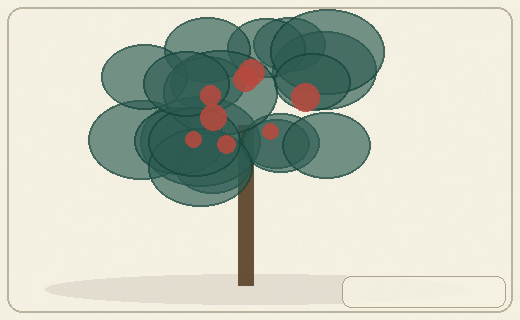
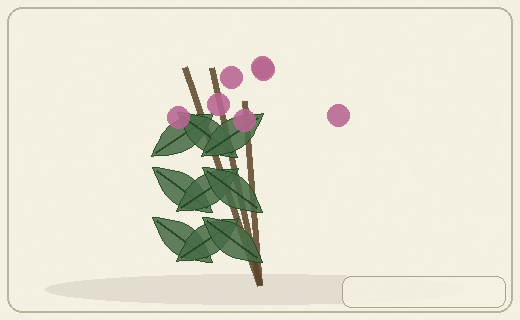
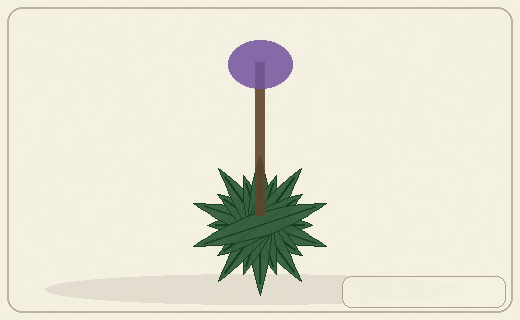
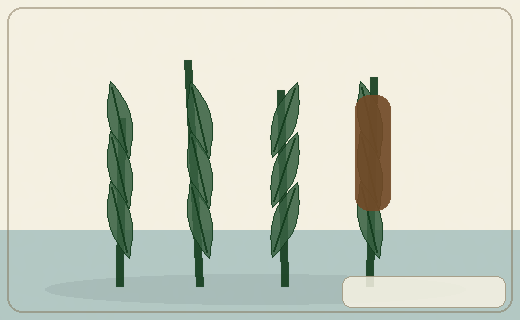
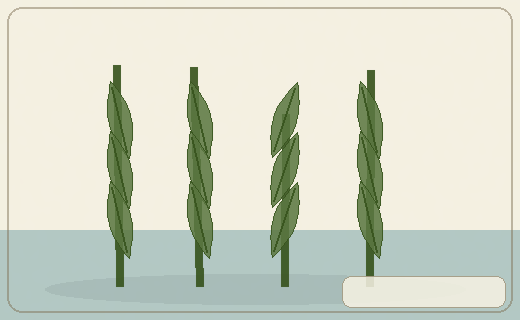
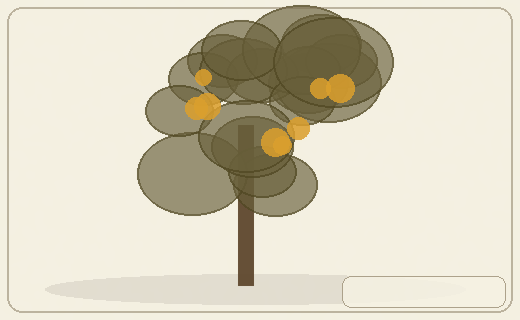
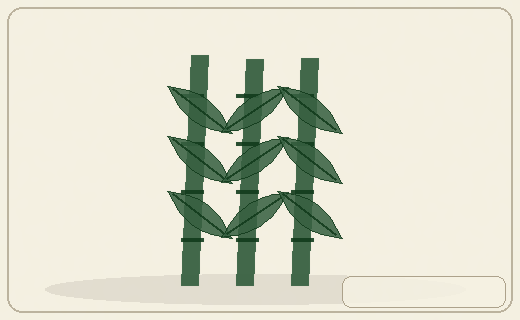
Stylized form diagram for Asian bamboos
Identify
Hollow or thick-walled segmented culms; branches at nodes; narrow grass leaves.
Habitat
Asian tropical, subtropical and temperate forest, river valleys and disturbed ground.
Season
Culms year-round; shoots rainy or spring season.
Field use
Shelter, containers, bows, arrow shafts, spears, traps, rafts, cordage strips and friction-fire sets; selected young shoots are food after boiling.
Caution
Shoot cyanide varies; never eat raw unknown bamboo shoots. Green culms can split in fire.
Look-alikes
Giant reeds lack woody branched culms.
constructionbow woodarrow shaftcontainerbow drillfood shoot
Paper mulberry

Broussonetia papyrifera

Useful plants
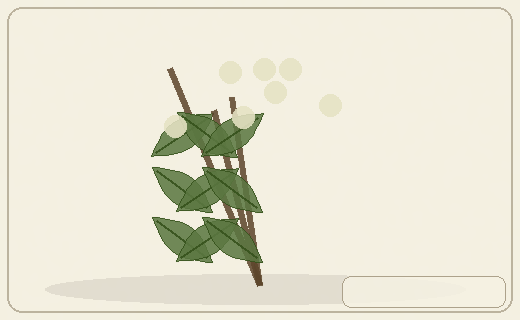
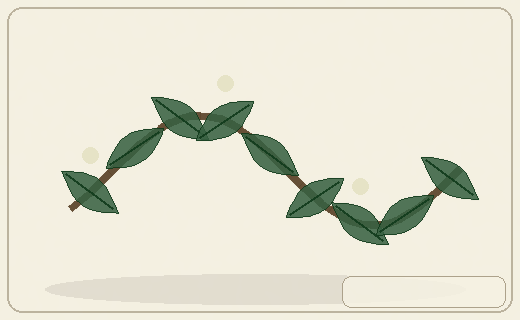
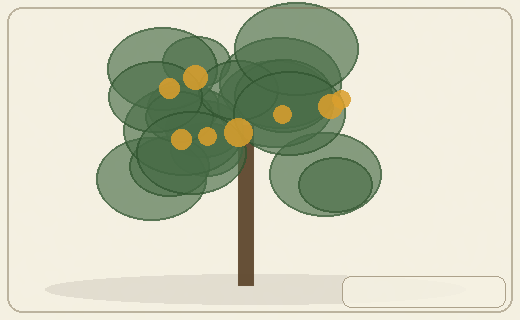
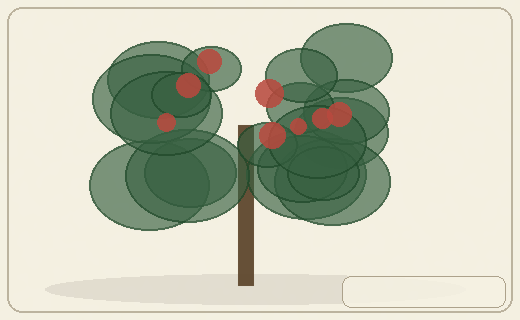
Stylized form diagram for Paper mulberry
Identify
Variable lobed rough leaves; milky sap; orange-red aggregate female fruits.
Habitat
East and Southeast Asian forest edge, villages and disturbed ground; introduced widely.
Season
Bark and wood year-round; fruit seasonal.
Field use
Inner bark has famous barkcloth, cordage and paper uses; straight shoots make arrow shafts; ripe fruit is edible but fragile.
Caution
Milky sap can irritate and fruit spoils quickly. Trees may be invasive.
Look-alikes
Mulberries have similar fruit but usually less variable leaves and no dense orange hairs.
cordagebarkclotharrow shaftfood fruit

Teak

Tectona grandis

Useful plants
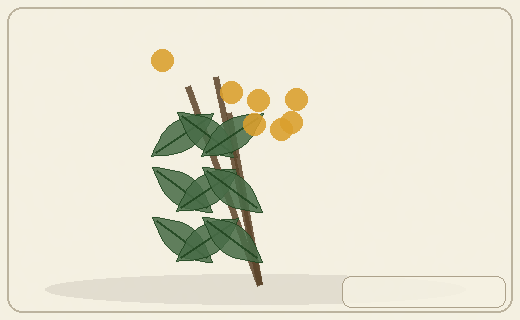
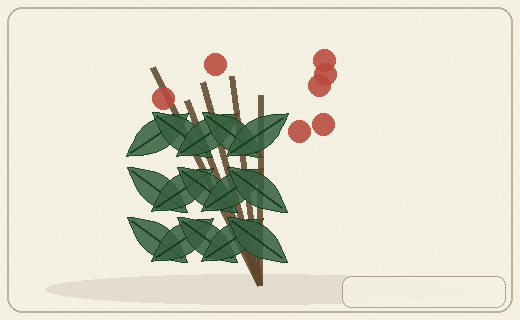
Stylized form diagram for Teak
Identify
Very large opposite rough leaves; small white flower panicles; round fruit in an inflated papery calyx.
Habitat
South and Southeast Asian seasonal forest.
Season
Wood year-round; leaves growing season.
Field use
Durable water-resistant wood for tools, containers, paddles and construction; dry leaves can bulk tinder.
Caution
Dust can cause dermatitis; old planted trees may be owned.
Look-alikes
Gmelina has opposite leaves but different fruit and smoother leaf texture.
constructiontoolscontainertinder

Banyan and strangler figs

Ficus benghalensis and related spp.

Useful plants
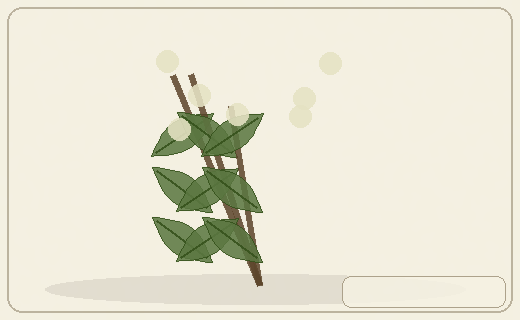
Stylized form diagram for Banyan and strangler figs
Identify
Milky latex; alternate simple leaves; aerial roots from branches; fig fruits with tiny internal flowers.
Habitat
South Asian and tropical forest, village groves and riverbanks.
Season
Fruit varies; roots and fiber year-round.
Field use
Aerial roots and bark fiber provide cordage; dry roots and wood make light friction-fire materials; ripe figs of known species feed people and wildlife.
Caution
Milky latex irritates. Many figs are edible but some are poor; sacred or owned trees must not be damaged.
Look-alikes
Mulberries have external aggregate fruit, not enclosed figs.
cordagebow drill boardfood fruit

Ashes

Fraxinus spp.

Useful plants
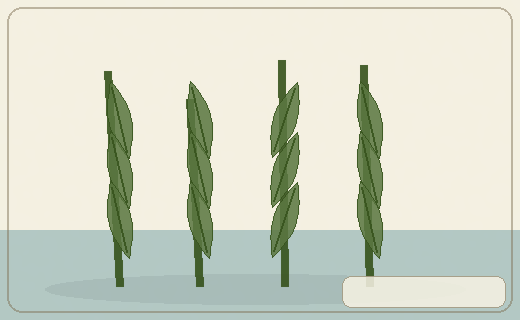
Stylized form diagram for Ashes
Identify
Opposite branching; compound leaves; one-seeded winged keys in clusters.
Habitat
Temperate hardwood forest, floodplain and woodland edge.
Season
Wood year-round; leaves growing season.
Field use
Elastic, shock-resistant wood for bows, spear shafts, wedges, handles and snowshoe frames.
Caution
Emerald ash borer and conservation rules may restrict cutting. Confirm opposite branching.
Look-alikes
Boxelder has opposite compound leaves but maple-type paired keys.
bow woodarrow shafthandleswedges

Land edibles

Terrestrial food species

Asian persimmons

Diospyros kaki / D. lotus

Land-based edible plants
Stylized form diagram for Asian persimmons
Identify
Alternate glossy leaves; urn-like flowers; orange to purple fruits with large persistent calyx.
Habitat
East Asian forest edges, valleys and abandoned orchards.
Season
Fruit autumn.
Field use
Fully ripe fruit is documented food; dense wood makes pegs and small tools.
Caution
Unripe fruit is intensely astringent. Cultivated ownership and species matter.
Look-alikes
Date plum and other Diospyros vary in fruit size and color.
food fruitpegstools

Chinese jujube

Ziziphus jujuba

Land-based edible plants
Stylized form diagram for Chinese jujube
Identify
Zigzag twigs with paired thorns; glossy three-veined leaves; small red-brown drupes.
Habitat
Warm temperate and dry Asian valleys, orchards and scrub.
Season
Fruit late summer-fall.
Field use
Ripe fruit is documented food fresh or dried; hard wood makes handles and pegs.
Caution
Unripe fruit is astringent; ownership and pesticide exposure matter.
Look-alikes
Other Ziziphus species vary in fruit size and thorn form.
food fruithandlespegs

Asian chestnuts

Castanea mollissima / C. crenata

Land-based edible plants
Stylized form diagram for Asian chestnuts
Identify
Long sharply toothed leaves; nuts enclosed in dense spiny burs.
Habitat
East Asian temperate forest and old cultivation.
Season
Nuts autumn; wood year-round.
Field use
Nuts are high-energy food after roasting; wood makes bows, stakes and fuel.
Caution
Burs are extremely sharp. Moldy nuts are unsafe.
Look-alikes
Horse chestnut has palmately compound leaves and toxic shiny seeds in fewer-spined husks.
food nutbow woodstakesfuel

Wild onions and garlic

Allium spp.

Land-based edible plants
Stylized form diagram for Wild onions and garlic
Identify
Narrow leaves or hollow stems; spherical flower heads; clear onion or garlic odor in leaf and bulb.
Habitat
Meadows, rocky slopes, open woodland and stream terraces.
Season
Spring through fall.
Field use
Leaves, flowers and bulbs of positively identified Allium are documented food and seasoning.
Caution
Every sampled part must smell of onion, but odor is not the only test. Avoid unknown bulbs.
Look-alikes
Death camas lacks onion odor and can be fatal.
food greenfood bulb

Common purslane

Portulaca oleracea

Land-based edible plants
Stylized form diagram for Common purslane
Identify
Low reddish succulent stems; smooth fleshy leaves; tiny yellow flowers; clear sap.
Habitat
Disturbed warm ground, gardens, river deposits and camp edges worldwide.
Season
Warm growing season.
Field use
Young leaves and stems are documented food and water-rich greens.
Caution
High oxalate content; avoid large amounts with kidney disease and avoid contaminated ground.
Look-alikes
Spurges often exude milky sap and are unsafe.
food green

Aquatic edibles

Water-margin food species

Sacred lotus

Nelumbo nucifera

Water and wetland edible plants
Stylized form diagram for Sacred lotus
Identify
Large circular peltate leaves usually rising above water; large pink-white flowers; showerhead seed pods.
Habitat
Warm Asian lakes, ponds, floodplains and cultivated wetlands.
Season
Rhizomes, seeds and shoots seasonal.
Field use
Rhizomes, seeds and young stems are documented foods after cooking; fibers have craft use.
Caution
Wetland contamination and deep mud are major hazards. Raw parts can carry parasites.
Look-alikes
Water lily leaves have a slit and usually float.
food starchfood seedfiber

Water chestnut

Eleocharis dulcis

Water and wetland edible plants
Stylized form diagram for Water chestnut
Identify
Leafless-looking round green stems in clumps; small brown spikelets; underground dark corms.
Habitat
Warm freshwater marshes, paddies and pond margins.
Season
Corms late season.
Field use
Clean cooked corms are documented food.
Caution
Raw corms can carry parasites and wetlands may be contaminated. Confirm sedge and corm structure.
Look-alikes
Spike-rush species without large edible corms are common.
food tuber

Water spinach

Ipomoea aquatica

Water and wetland edible plants
Stylized form diagram for Water spinach
Identify
Hollow creeping stems; arrow to lance leaves; pale morning-glory flowers.
Habitat
Warm freshwater ditches, ponds and slow rivers; native or invasive.
Season
Warm season.
Field use
Tender shoots are a documented cooked green.
Caution
Raw plants can carry parasites and sewage pathogens; avoid polluted water and check invasive-species law.
Look-alikes
Water hemlock has divided leaves and umbels, not morning-glory flowers.
food green

Traditional-use

Documented traditional medicine

Ginger

Zingiber officinale

Medicinal and traditional-use plants
Stylized form diagram for Ginger
Identify
Narrow leaves on pseudostems; thick aromatic branching rhizome; cone-like flower spike from the ground.
Habitat
Tropical Asian cultivation and moist disturbed ground.
Season
Rhizomes year-round.
Field use
Known rhizomes are documented food, seasoning and traditional-use plant.
Caution
Do not dig unknown ginger-family plants. Large medicinal doses can interact with anticoagulants.
Look-alikes
Wild gingers and turmeric differ in leaf width, scent and flowers.
seasoningmedicine

Turmeric

Curcuma longa

Medicinal and traditional-use plants
Stylized form diagram for Turmeric
Identify
Large lance leaves from an underground orange rhizome; pale flower spike with colored bracts.
Habitat
South and Southeast Asian cultivation and disturbed humid ground.
Season
Rhizomes late season.
Field use
Known rhizomes are documented spice, dye and traditional-use material.
Caution
Wild ginger relatives can look similar and some are not edible. Concentrated medicinal dosing is not advised.
Look-alikes
Zingiber and Curcuma species differ in flower spike and rhizome color.
seasoningdyemedicine

Gotu kola

Centella asiatica

Medicinal and traditional-use plants
Stylized form diagram for Gotu kola
Identify
Creeping herb with round kidney-shaped leaves on long stalks and tiny clustered flowers at nodes.
Habitat
Tropical wet ground, ditches, rice margins and streambanks.
Season
Year-round in warm climates.
Field use
Leaves are documented food and traditional-use plant, usually cooked or eaten from clean cultivation.
Caution
Wild plants from wet ground may carry parasites or pollutants. Concentrated medicinal use can affect liver and medicines.
Look-alikes
Hydrocotyle pennyworts have similar round leaves and require flower examination.
food greenmedicine

Poisonous look-alikes

Do not eat — verify before harvest

Cerbera / suicide tree

Cerbera odollam and related spp.

Poisonous plants
Stylized form diagram for Cerbera / suicide tree
Identify
Glossy narrow leaves clustered at twig ends; white five-petaled flowers; mango-like green fruit; milky sap.
Habitat
South and Southeast Asian coasts, mangroves and river edges.
Season
Year-round.
Field use
No food use.
Caution
Seeds contain potent cardiac glycosides and can be fatal; sap is irritating.
Look-alikes
Sea mango relatives and edible mangoes differ but fruit similarity is dangerous.
poison

Flame lily

Gloriosa superba

Poisonous plants
Stylized form diagram for Flame lily
Identify
Climbing herb with tendril-like leaf tips and red-yellow reflexed flame-shaped flowers; underground tubers.
Habitat
African and Asian tropical grassland, thicket and forest edge.
Season
Wet season.
Field use
No food or medicine use.
Caution
All parts, especially tubers and seeds, contain colchicine-type toxins and can be fatal.
Look-alikes
Edible yams twine differently and have inconspicuous flowers.
poison

Castor bean

Ricinus communis

Poisonous plants
Stylized form diagram for Castor bean
Identify
Large star-shaped palmately lobed leaves; spiny capsules; glossy mottled seeds.
Habitat
Warm disturbed ground, riverbanks and tropical/subtropical waste areas.
Season
Growing season; seeds seasonal.
Field use
No survival food or medicine use. Oil extraction is industrial, not a field process.
Caution
Chewed seeds can release ricin and cause severe or fatal poisoning.
Look-alikes
Jatropha has similar lobed leaves but different fruit; it is also toxic.
poison

Daturas / thorn apples

Datura spp.

Poisonous plants
Stylized form diagram for Daturas / thorn apples
Identify
Large foul-smelling leaves; upright trumpet flowers; spiny egg-shaped capsules.
Habitat
Disturbed warm ground, dry riverbeds and fields worldwide.
Season
Summer-fall.
Field use
No use.
Caution
All parts contain dangerous tropane alkaloids causing delirium, overheating, seizures and death.
Look-alikes
Brugmansia has hanging trumpets on woody shrubs and is also toxic.
poison