
Skip to content

Global Regional Plant Guides

Arctic Tundra & Polar Barrens Plant Survival Guide

A comprehensive survival plant guide for Arctic Tundra & Polar Barrens, covering useful woody materials, land foods, aquatic foods, traditional-use plants and poisonous look-alikes.

Cover of Arctic Tundra & Polar Barrens Plant Survival Guide
Continent
North America
USDA-equivalent zones
1-2
Köppen climate
ET / EF
Profiles
20
Regional biome
Arctic tundra, polar desert, meltwater margins
Download PDF (17 pages)

Print-ready · US Letter · clickable sources

Useful plants · 5Land edibles · 5Aquatic edibles · 3Traditional-use · 3Poisonous look-alikes · 4

Useful plants

Wood, fibre, shelter and craft

Dwarf birches

Betula nana / B. glandulosa group
Useful plants
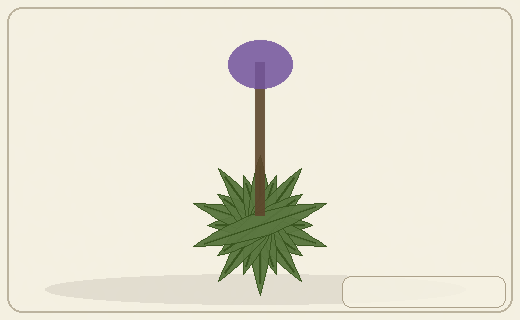
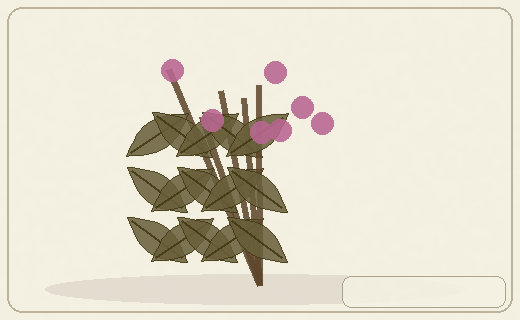
Stylized form diagram for Dwarf birches
Identify
Low many-branched shrub with small rounded toothed leaves and tiny catkins.
Habitat
Arctic heath, bog margins, alpine slopes and snow-catching hollows.
Season
Growing-season leaves; twigs year-round.
Field use
Fine twigs make brush bedding, small bundles and light screens; dense patches trap snow and mark slightly raised ground.
Caution
Slow-growing and important for soil stability. Harvest sparingly and never strip large tundra patches.
Look-alikes
Dwarf willows often have narrower leaves; young alder has larger catkins.
beddingtinderbrushroute marker
Willows

Salix spp.

Useful plants
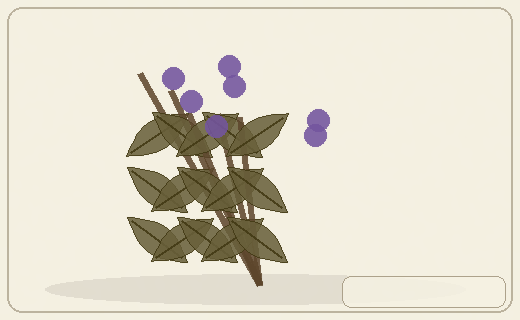
Stylized form diagram for Willows
Identify
Alternate narrow to oval leaves; flexible twigs; catkins; many species root along wet ground.
Habitat
Riverbanks, lake margins, floodplains, tundra valleys and moist forest.
Season
Twigs year-round; leaves and catkins in the growing season.
Field use
Flexible rods for baskets, fish traps, wattle, arrow shafts and repair splints. Dry punky willow and softer species can serve bow-drill hearth boards; denser pieces make spindles. Bark has documented salicylate-related traditional use.
Caution
Species identification is difficult. Do not self-dose bark with aspirin allergy, bleeding risk, kidney disease, pregnancy, or in children with viral illness.
Look-alikes
Alders have cone-like female catkins; some dogwoods have opposite leaves.
arrow shaftbow drill boardbasketrycordagemedicine

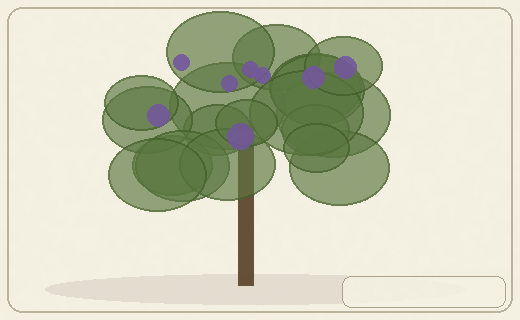
Common juniper

Juniperus communis

Useful plants
Stylized form diagram for Common juniper
Identify
Stiff sharp needles in whorls of three with one pale band; blue-black berry-like cones.
Habitat
Rocky heaths, boreal openings, mountains and steppe.
Season
Cones late summer through winter; wood year-round.
Field use
Dense aromatic wood for pegs and small tools; mature cones have limited documented culinary use.
Caution
Avoid medicinal use in pregnancy or kidney disease. Oils are concentrated and irritating.
Look-alikes
Crowberry has softer tiny leaves and glossy black fruit.
pegstinderseasoning

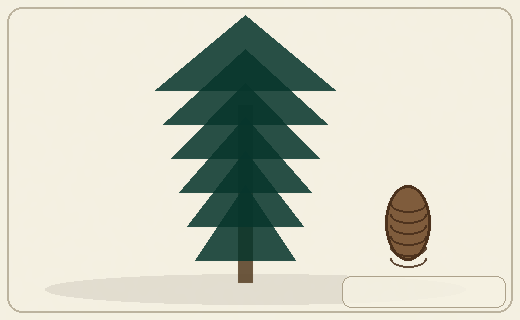
White spruce

Picea glauca

Useful plants
Stylized form diagram for White spruce
Identify
Sharp single needles with a pungent odor when crushed; flexible hanging cones; gray scaly bark.
Habitat
Well-drained boreal terraces, river valleys, lake shores and treeline islands.
Season
Year-round.
Field use
Strong poles, carving wood, roots for lashings and dry lower twigs for fire starting.
Caution
Do not strip living roots. Pitch can irritate eyes and wounds.
Look-alikes
Fir needles are flat and soft; black spruce is narrower with smaller cones.
polesfueltindercordagecarving

Alders

Alnus spp.

Useful plants
Stylized form diagram for Alders
Identify
Oval toothed leaves; catkins; woody cone-like female structures persist through winter.
Habitat
Wet thickets, streambanks, avalanche tracks and disturbed forest.
Season
Wood year-round; leaves growing season.
Field use
Straight stems for racks and wattle; seasoned alder burns evenly and is widely used as smoking wood.
Caution
Wet alder smokes heavily; dense thickets can hide unstable banks.
Look-alikes
Birch lacks persistent woody cones.
poleswattlefuelsmoking

Land edibles

Terrestrial food species

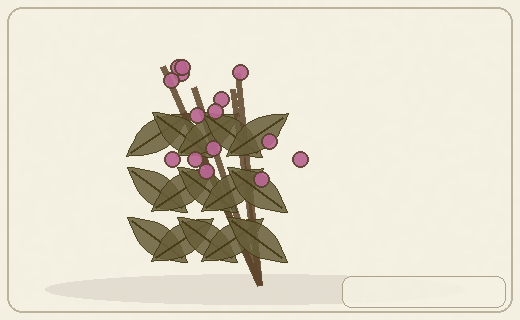
Crowberry

Empetrum nigrum

Land-based edible plants
Stylized form diagram for Crowberry
Identify
Creeping evergreen mat with tiny grooved needle-like leaves and shiny black berries.
Habitat
Arctic and alpine heath, bog margins and windswept coasts.
Season
Late summer through winter.
Field use
Ripe berries are documented food, mild and water-rich.
Caution
Low fruit gathers grit and animal contamination.
Look-alikes
Juniper has stiff needles in whorls and blue waxy cones.
food fruit

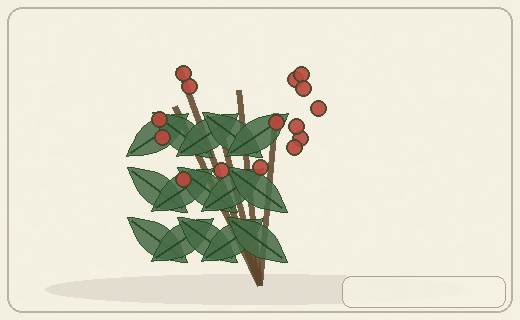
Lingonberry

Vaccinium vitis-idaea

Land-based edible plants
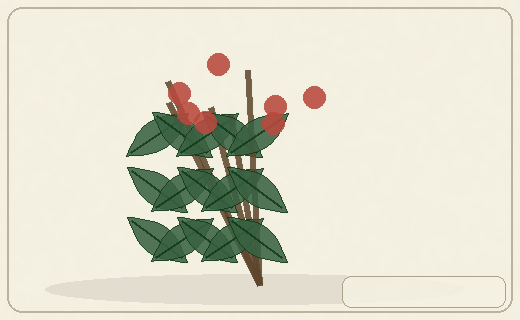
Stylized form diagram for Lingonberry
Identify
Low evergreen shrub; leathery oval leaves with pale dots beneath; bright red berries with a crown.
Habitat
Boreal forest, tundra heath, alpine ground and bog hummocks.
Season
Late summer through winter.
Field use
Ripe berries are documented food and often persist after frost; suitable fresh, cooked or dried.
Caution
Confirm woody evergreen leaves and fruit crown; avoid animal-contaminated patches.
Look-alikes
Bearberry has netted leaf veins and mealier fruit.
food fruit

Bilberry / bog blueberry group

Vaccinium myrtillus / V. uliginosum

Land-based edible plants
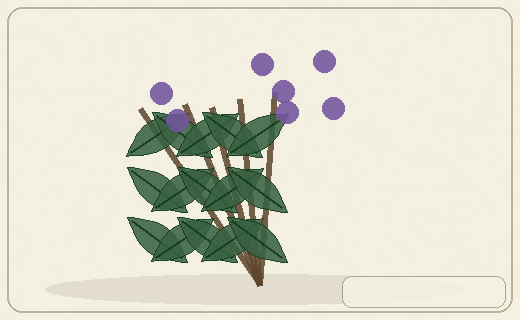
Stylized form diagram for Bilberry / bog blueberry group
Identify
Low woody shrub; blue to blue-black berries with a crown; leaves alternate and small.
Habitat
Boreal, montane and tundra heath.
Season
Mid- to late summer.
Field use
Ripe berries are documented food and can be dried or cooked.
Caution
Color alone is not enough; confirm woody stem and Vaccinium fruit crown.
Look-alikes
Black-berried herbs lack woody stems; crowberry has needle-like leaves.
food fruit

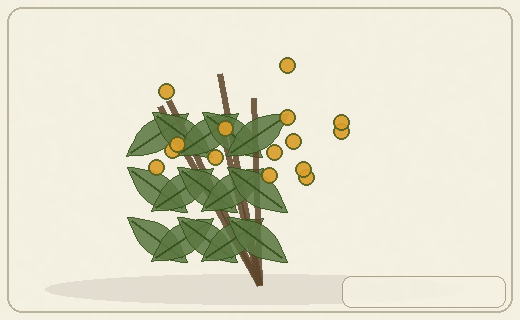
Cloudberry

Rubus chamaemorus

Land-based edible plants
Stylized form diagram for Cloudberry
Identify
Low unarmed plant with rounded lobed leaves and one amber-orange raspberry-like fruit.
Habitat
Peatland, bog edge and wet tundra.
Season
Mid- to late summer.
Field use
Fully ripe amber fruit is documented food.
Caution
Unripe red fruit is sour and firm; avoid trampling peat.
Look-alikes
Dwarf raspberry species may have more divided leaves.
food fruit

Wild roses

Rosa spp.

Land-based edible plants
Stylized form diagram for Wild roses
Identify
Prickly stems; compound toothed leaves; five-petaled flowers; red to orange hips.
Habitat
Open woods, thickets, prairie, dunes and mountain slopes.
Season
Hips late summer through winter.
Field use
Fleshy hip walls are documented food after the irritating hairs and seeds are removed; good for simmering or drying.
Caution
Internal hairs irritate skin and mouth. Avoid sprayed or moldy fruit.
Look-alikes
Hawthorn has simple lobed leaves and woody thorns.
food fruitcordage

Aquatic edibles

Water-margin food species

Broad pondweeds

Potamogeton spp.

Water and wetland edible plants
Stylized form diagram for Broad pondweeds
Identify
Submerged or floating leaves with parallel veins; small flower spikes rise above water; flexible stems.
Habitat
Lakes, ponds and slow rivers across temperate and cold regions.
Season
Growing season.
Field use
Tubers, young shoots or seeds of some species have documented food use; beds shelter fish and invertebrates.
Caution
Species identification and water quality are essential. Avoid stagnant, cyanobacteria-rich or polluted water.
Look-alikes
Water smartweed has jointed stems and pink flower spikes.
food aquatic

Temperate water lilies

Nymphaea / Nuphar spp.

Water and wetland edible plants
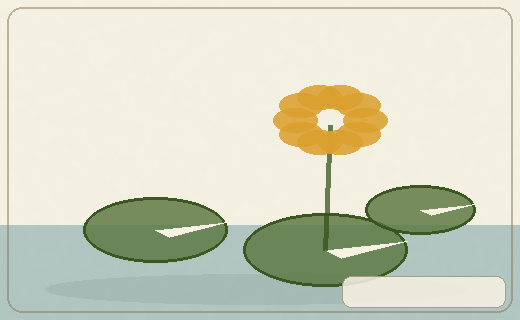
Stylized form diagram for Temperate water lilies
Identify
Round floating leaves with a slit; solitary flowers; thick rhizomes anchored in sediment.
Habitat
Ponds, lakes and slow river backwaters.
Season
Flowers summer; rhizomes year-round.
Field use
Seeds and rhizomes of selected species have documented food use after intensive species-specific processing.
Caution
Raw rhizomes can be bitter or irritating; water quality and correct genus matter. Do not confuse with toxic aquatic aroids.
Look-alikes
Lotus leaves are peltate and rise above water; water lily leaves usually float and are not fully circular.
food seedfood starch

Bulrushes

Schoenoplectus spp.

Water and wetland edible plants
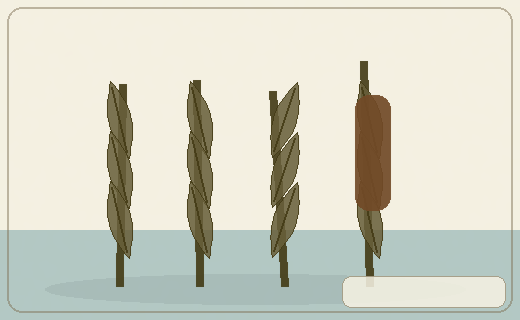
Stylized form diagram for Bulrushes
Identify
Round or triangular mostly leafless stems; small brown flower clusters near stem tips.
Habitat
Freshwater and brackish marshes, pond edges and slow rivers.
Season
Young shoots spring; rhizomes and stems longer.
Field use
Rhizomes and young shoots have documented food use after correct species identification; stems make mats, cordage and basket frames.
Caution
Wetland contamination is a major risk. Several sedges are difficult to separate.
Look-alikes
Cattails have broad flat leaves and a brown cylinder.
food shootfood starchbasketrycordage

Traditional-use

Documented traditional medicine

Labrador tea

Rhododendron groenlandicum / R. tomentosum

Medicinal and traditional-use plants
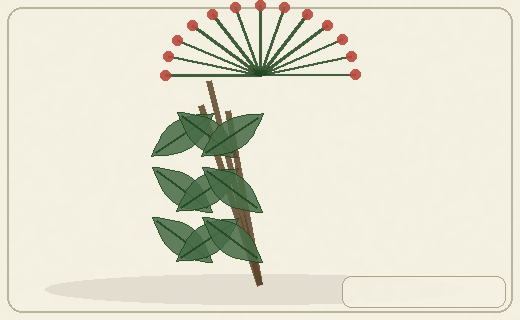
Stylized form diagram for Labrador tea
Identify
Evergreen rolled-edge leaves with rusty-woolly undersides; white terminal flower clusters.
Habitat
Bogs, wet taiga and muskeg.
Season
Leaves year-round.
Field use
Culturally important documented beverage and traditional-use plant in northern regions.
Caution
Strong or repeated infusions can cause illness; bog rosemary is a dangerous look-alike.
Look-alikes
Bog rosemary leaves are narrower and pale rather than rusty beneath.
medicinebeverage

Yarrow

Achillea millefolium

Medicinal and traditional-use plants
Stylized form diagram for Yarrow
Identify
Aromatic finely divided leaves; flat clusters of small white to pink flower heads.
Habitat
Dry openings, trails, grassland, shore gravel and disturbed soil.
Season
Summer through fall.
Field use
Documented traditional external uses include washes and aromatic preparations; dry flower heads make light tinder.
Caution
Possible allergy, pregnancy and anticoagulant concerns. Not a substitute for wound cleaning or medical care.
Look-alikes
Poison hemlock is much taller with hollow purple-spotted stems and true umbels.
medicinetinder

Golden root

Rhodiola rosea and related spp.

Medicinal and traditional-use plants
Stylized form diagram for Golden root
Identify
Fleshy blue-green leaves on upright stems, yellow flower clusters and thick aromatic rhizome.
Habitat
Cold Eurasian alpine cliffs, streambanks and tundra.
Season
Summer.
Field use
Widely documented traditional-use plant.
Caution
Wild populations are vulnerable to root harvest. No field dosing; may affect mood, sleep and medications.
Look-alikes
Other Rhodiola and Sedum species are similar.
medicine

Poisonous look-alikes

Do not eat — verify before harvest

Water hemlocks

Cicuta spp.

Poisonous plants
Stylized form diagram for Water hemlocks
Identify
Wetland perennial with divided leaves, white umbrella flower clusters and thick chambered rootstocks.
Habitat
Marshes, wet meadows, stream edges and ditches across the northern hemisphere.
Season
Spring through fall.
Field use
No survival use. Make wetland root gathering a prohibited activity unless a qualified botanist is present.
Caution
Extremely poisonous; small amounts, especially roots, can cause violent seizures and death.
Look-alikes
Angelica, cow parsnip and other Apiaceae can look similar. Never taste to decide.
poison

Monkshoods

Aconitum spp.

Poisonous plants
Stylized form diagram for Monkshoods
Identify
Deeply divided palmate leaves; blue, purple, yellow or white hood-shaped flowers.
Habitat
Moist mountain meadows, streambanks and cool forest.
Season
Summer.
Field use
No food or field medicinal use.
Caution
All parts contain potent aconitine-type alkaloids; ingestion can cause fatal heart and nerve effects.
Look-alikes
Larkspurs have a rear spur and are also toxic.
poison

Bog rosemary

Andromeda polifolia

Poisonous plants
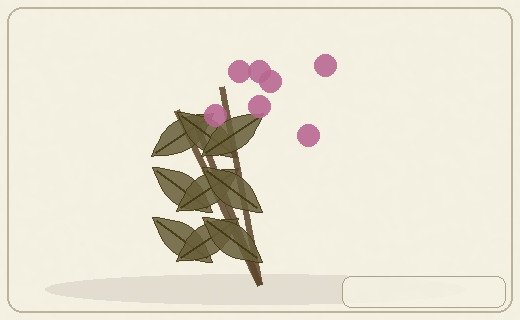
Stylized form diagram for Bog rosemary
Identify
Low evergreen bog shrub with narrow rolled-edge leaves pale beneath and pink urn-shaped flowers.
Habitat
Sphagnum bogs and peat hummocks.
Season
Year-round leaves; flowers early summer.
Field use
No food or tea use.
Caution
Contains grayanotoxin-type compounds and may cause vomiting, dizziness and heart effects.
Look-alikes
Labrador tea leaves are broader and rusty-woolly beneath.
poison

Baneberries

Actaea spp.

Poisonous plants
Stylized form diagram for Baneberries
Identify
Woodland herb with divided leaves, white flower clusters and red, white or black berries on stout stalks.
Habitat
Moist temperate and boreal forest.
Season
Fruit late summer.
Field use
No food use.
Caution
Berries and roots are poisonous and can affect the gastrointestinal and cardiovascular systems.
Look-alikes
Edible Vaccinium berries grow on woody shrubs with simple leaves.
poison