
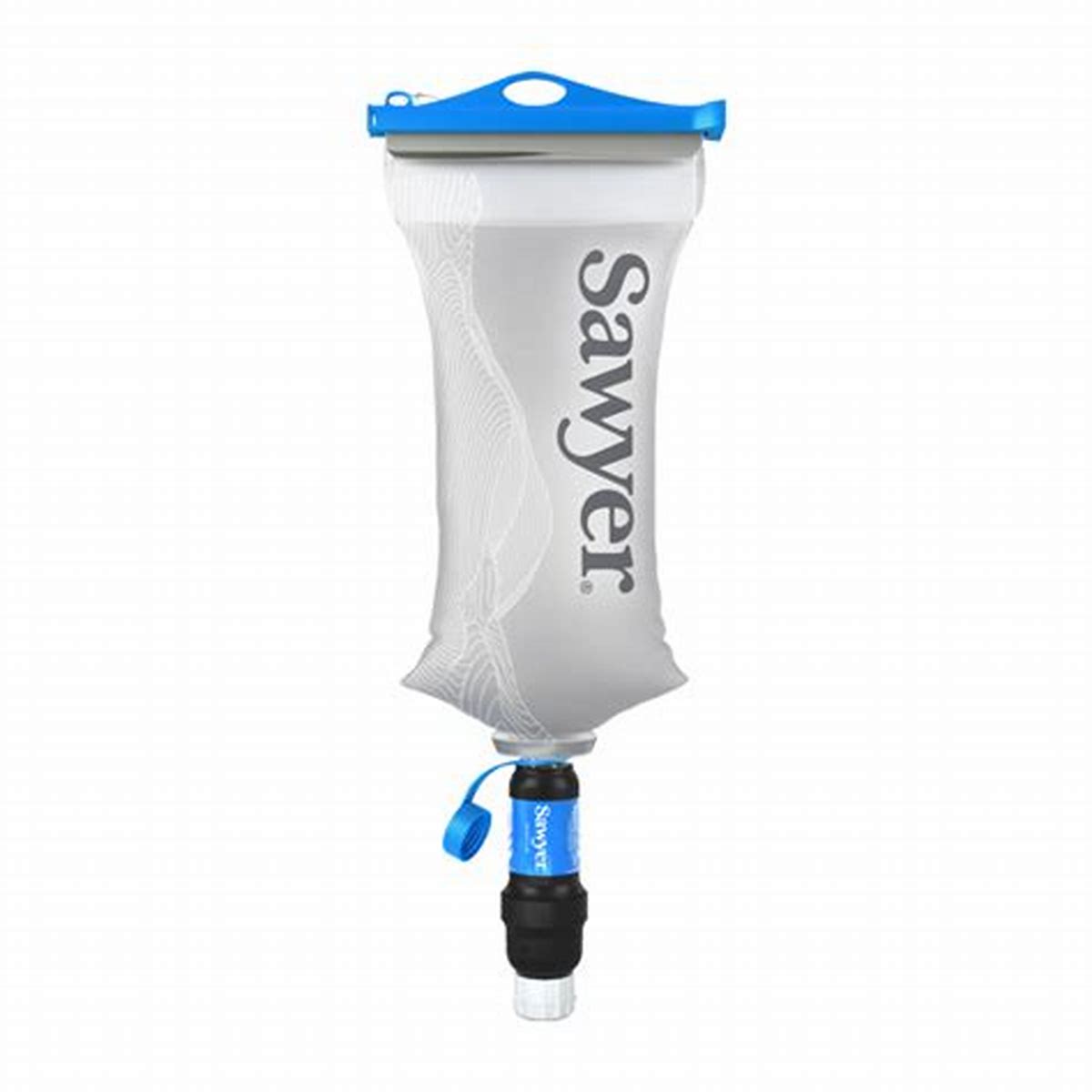
Best overall backpacking filter
Squeeze— Sawyer
Best for: Most three-season backpackers
0.1 µm hollow fiber, squeeze or in-line, cheap replacements.
Verified product record


Buying guide
Water treatment covers physical filters (0.1–0.2 µm hollow fiber), chemical treatment (chlorine dioxide, iodine), UV purifiers, and boiling — each of which removes different pathogens.
By Wild10 Editors · Fieldcraft desk · Updated 7/16/2026
Water treatment covers physical filters (0.1–0.2 µm hollow fiber), chemical treatment (chlorine dioxide, iodine), UV purifiers, and boiling — each of which removes different pathogens.
Backpackers, canoeists, international travellers, and preparedness planners who need reliably safe drinking water from field sources.
Filters remove protozoa and bacteria; only purifiers (UV, chemical, boiling) also kill viruses.
L/min matters when you're refilling a group. Squeeze filters can hit 1 L/min; gravity systems are slower but hands-free.
Hollow-fiber filters freeze once and permanently fail. Chemical and boiling always work below freezing.
50–120 g for personal squeeze filters; 200–350 g for gravity or pump systems.
| Use | Method | Weight | Virus coverage |
|---|---|---|---|
| North America backpacking | Squeeze filter | < 100 g | No |
| International travel | UV or chemical | 70–150 g | Yes |
| Group / basecamp | Gravity filter | 300 g | No |
| Winter camping | Boil or chemical | 0–60 g | Yes |
| Method | Removes | Speed | Field maintenance | Cost |
|---|---|---|---|---|
| Hollow-fiber filter | Protozoa + bacteria | Fast | Backflush | $$ |
| Chemical (ClO₂) | All + viruses | 30 min wait | None | $ |
| UV pen | All + viruses | 90 sec / L | Battery-dependent | $$$ |
| Boiling | All + viruses | Requires fuel | None | Fuel cost |
Below freezing, keep filters against your body in an inside pocket. In turbid water, pre-filter through a bandana or coffee filter to extend filter life. In alkaline or salt water, filters do NOT desalinate.
One filter per two people is a workable ratio for a backcountry trip. Chemical treatment scales freely with quantity; UV works only in clear water.
Best overall backpacking filter
Best for: Most three-season backpackers
0.1 µm hollow fiber, squeeze or in-line, cheap replacements.
Verified product record
Best value
Best for: Ultralight and price-conscious
The same hollow-fiber tech in a smaller squeeze form-factor.
Research pending — no verified product page yet
Best premium gravity filter
Best for: Group and basecamp use
Gravity system, high flow rate, cleanable membrane.
Research pending — no verified product page yet
Best for beginners
Best for: Simple, foolproof pump filter
No electronics, no waiting, and it works in silty water.
Research pending — no verified product page yet
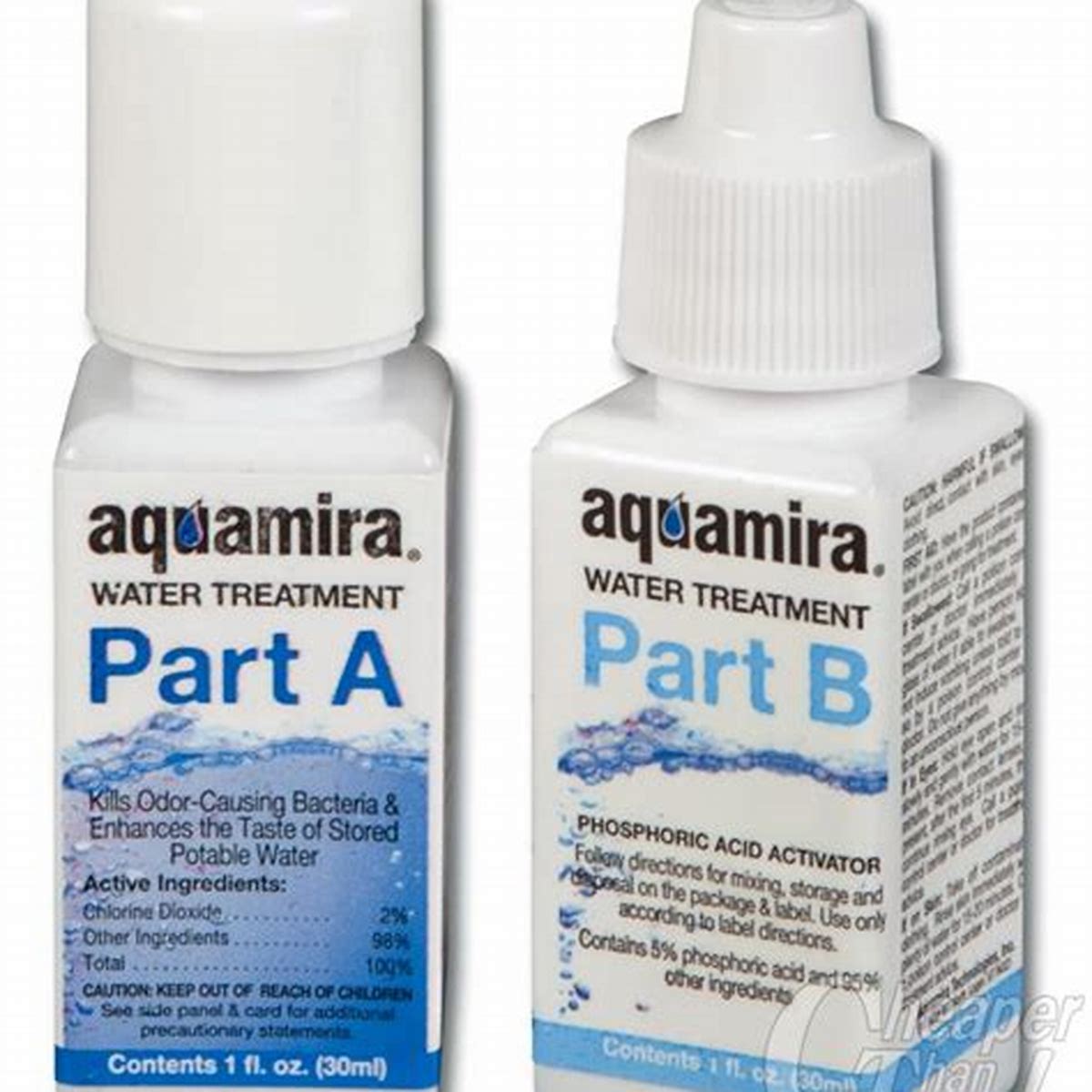
Best virus-safe option
Best for: International travel and questionable water
Chlorine dioxide drops or tablets kill viruses that filters miss.
Verified product record
Best winter solution
Best for: Below-freezing trips
Chemical treatment doesn't freeze-shatter like membranes.
Research pending — no verified product page yet
| Role | Product | Brand | Price (USD) | Weight | Made in |
|---|---|---|---|---|---|
| Best overall backpacking filter | Squeeze | Sawyer | $390 | — | United States |
| Best virus-safe option | Water Treatment Drops | Aquamira | $390 | — | United States |
We evaluate filters against manufacturer NSF certifications and real-world flow observations. Pathogen coverage is drawn directly from published manufacturer data.