


Alone: Frozen · Alone: Frozen — Season 1
Coastal Labrador (Alone: Frozen)
Winter-only spinoff on the North Atlantic — sea ice, snow-covered headlands, and 50 days measured in body heat.
Labrador, Canada
Where on earth
Satellite imagery flying in from a world view to Coastal Labrador (Alone: Frozen), Labrador, Canada.
- Format
- Winter-only, 50-day cap
- Biome
- Subarctic coastal winter
- Winter lows
- -30 to -40 °C with wind
- Key food
- Ice-fishing, seal (regulated), stored cache
- Big predators
- Wolf, wolverine, polar bear (coastal)
The country
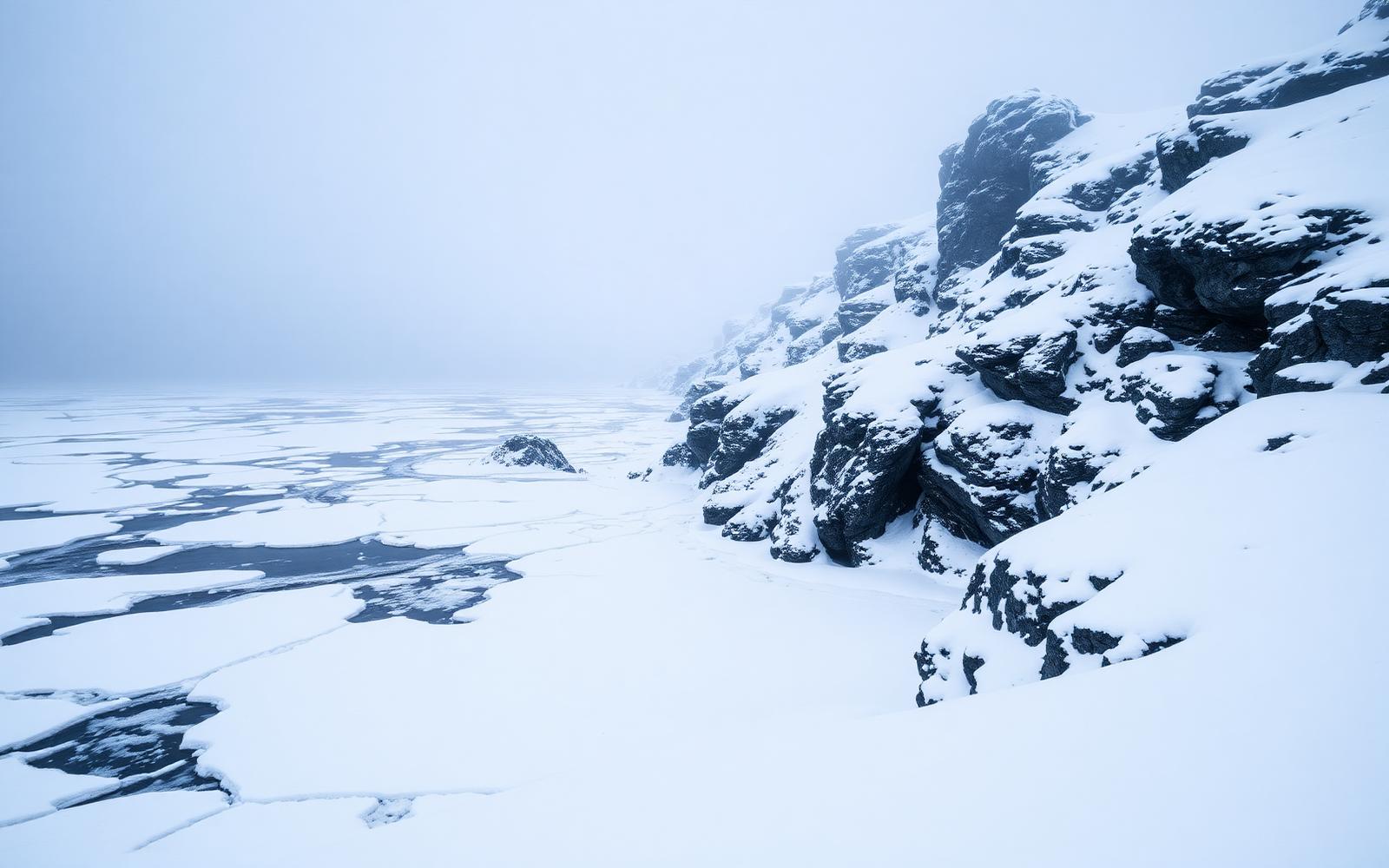
Alone: Frozen dropped participants on the winter Labrador coast — a landscape defined by sea ice, wind, and a very short daylight window. The forest is stunted and buried; the sea is largely locked; movement is slow and expensive.
Why the show did this
The parent series had already proven summer-to-winter attrition; Frozen went straight to the hardest phase. A 50-day cap replaced the classic last-person-standing format because the environment doesn't allow indefinite duration.
Planner-relevant notes
Everything here bends toward heat loss management — clothing, shelter thermodynamics, controlled work output. Food is secondary to core temperature. Ice-fishing setups and cached fuel do more for survival than any bushcraft build.
Field notes
- Sweat is the enemy — pace every task to stay just below the sweat line.
- A vapor-barrier layer inside your bag is a game-changer in wet-cold country.
- Never leave a shelter without a compass and a marked back-azimuth.