


Beyond Alone · Best: Jul – early Oct
Grand Teton National Park
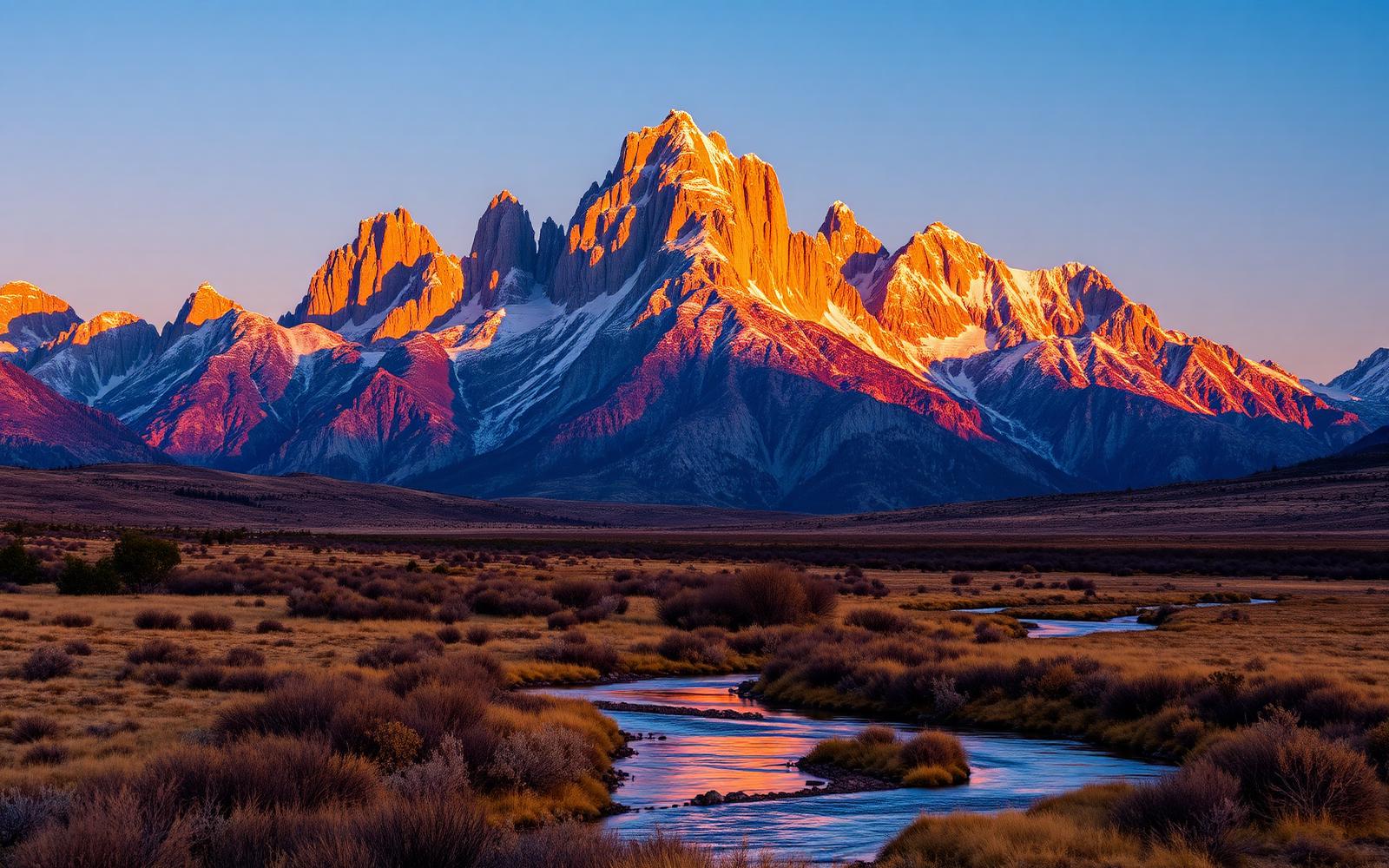
Vertical granite over sagebrush flats — the fastest-rising range in the Rockies, right off the road.
Wyoming, USA
Where on earth
Satellite imagery flying in from a world view to Grand Teton National Park, Wyoming, USA.
- Biome
- Subalpine granite range + sage valley
- Elevation
- 2,060 – 4,199 m
- Best window
- Jul – early Oct
- Key draws
- Teton Crest Trail, Death Canyon Shelf
- Watch for
- Grizzly, moose, thunderstorms
The country
The Tetons rise straight out of Jackson Hole with no foothills — 7,000 ft of relief across a few horizontal miles. Alpine cirques, granite spires, and hanging glaciers sit above meadow-floored canyons and glacial lakes.
Why enthusiasts come
The Teton Crest Trail is one of the finest 3–5 day traverses on the continent, with permits controlled by camping zones. Climbers work the Grand and its neighbors from Garnet Canyon.
Planner-relevant notes
Zone permits reserve broadly, not a specific site — plan mileage for daylight, not a specific tarn. Afternoon convective storms are almost daily; be off exposed shelf traverses by noon.
Field notes
- Static Peak Divide can hold snow through July — carry microspikes if traversing early.
- Moose along Cascade Creek — give aggressive space, especially cows with calves.
- Aerial tram at Rendezvous is a legitimate shortcut onto the crest.
Frequently asked about Grand Teton National Park
- Where is Grand Teton National Park?
- Grand Teton National Park is in Wyoming, USA. Vertical granite over sagebrush flats — the fastest-rising range in the Rockies, right off the road.
- What is the climate like at Grand Teton National Park?
- Subalpine granite range + sage valley. The Tetons rise straight out of Jackson Hole with no foothills — 7,000 ft of relief across a few horizontal miles. Alpine cirques, granite spires, and hanging glaciers sit above meadow-floored canyons and glacial lakes.