


Beyond Alone · Best: Dec – Apr (dry season)
Everglades National Park
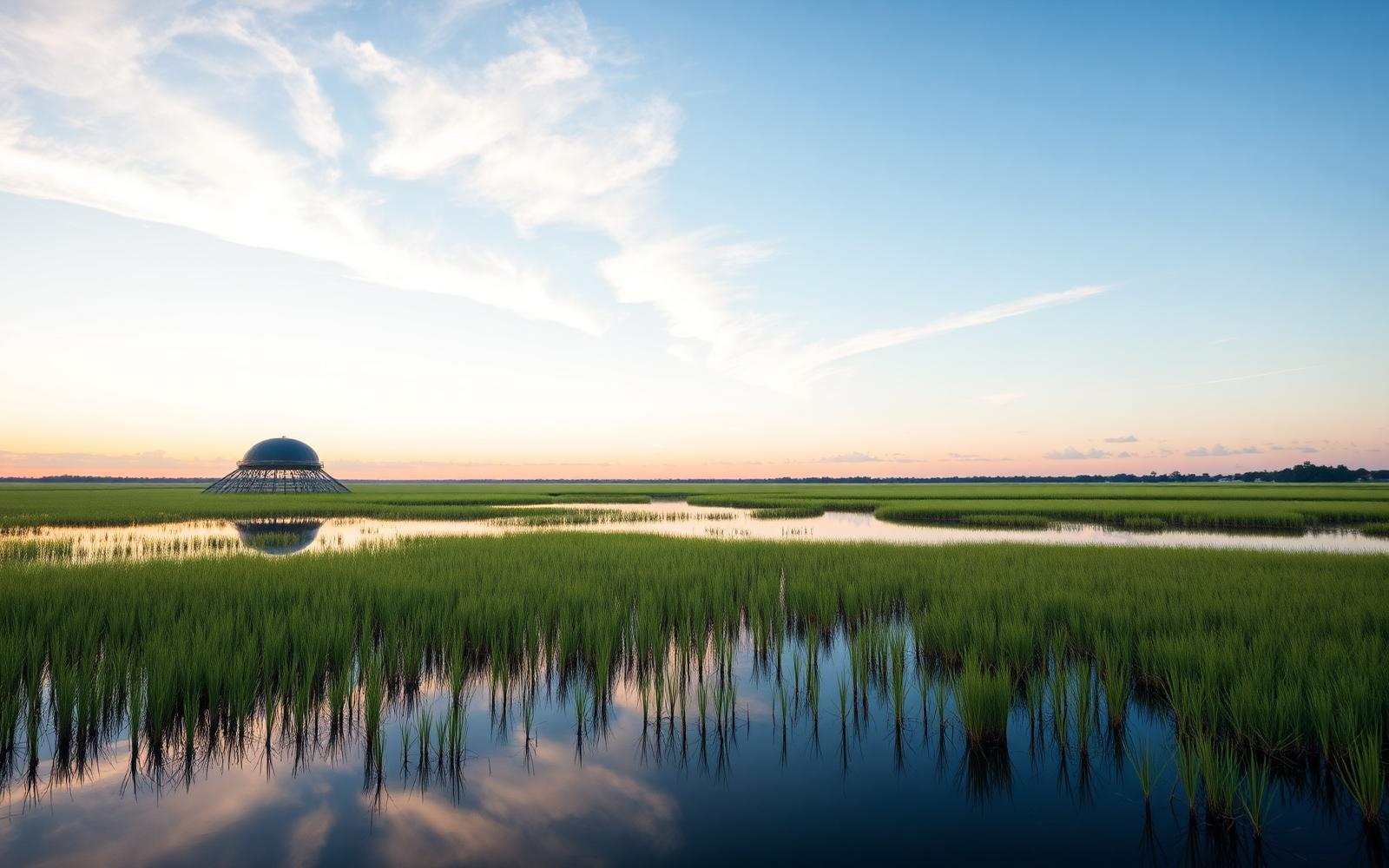
The only place on Earth where alligators and crocodiles share water — a sawgrass river 60 miles wide.
Florida, USA
Where on earth
Satellite imagery flying in from a world view to Everglades National Park, Florida, USA.
- Biome
- Subtropical wetland / sawgrass prairie / mangrove
- Elevation
- 0 – 3 m
- Best window
- Dec – Apr
- Key draws
- Wilderness Waterway (99 mi paddle)
- Watch for
- Gators, crocs, hurricanes, mosquitoes
The country
A shallow river of grass draining Lake Okeechobee to Florida Bay. Sawgrass prairie, hardwood hammocks, cypress domes, and mangrove coast — biome shifts every mile in a boat.
Why enthusiasts come
The 99-mile Wilderness Waterway is a bucket-list paddling trip through backcountry chickees (raised platforms). Fishing and birding are world-class.
Planner-relevant notes
Wet season (May–Oct) is functionally hostile — heat, storms, and mosquitoes make it a different park. Tide charts drive the coastal paddle sections.
Field notes
- Head net + long sleeves even in dry season — no-see-ums are relentless at dusk.
- Alligators actively avoid people; crocodiles in the mangrove zone deserve more distance.
- Fresh water is scarce in the backcountry — carry, don't source.
Frequently asked about Everglades National Park
- Where is Everglades National Park?
- Everglades National Park is in Florida, USA. The only place on Earth where alligators and crocodiles share water — a sawgrass river 60 miles wide.
- What is the climate like at Everglades National Park?
- Subtropical wetland / sawgrass prairie / mangrove. A shallow river of grass draining Lake Okeechobee to Florida Bay. Sawgrass prairie, hardwood hammocks, cypress domes, and mangrove coast — biome shifts every mile in a boat.