
Skip to content

Global Regional Plant Guides

Southeast Asian Montane & Cloud Forest Plant Survival Guide

A comprehensive survival plant guide for Southeast Asian Montane & Cloud Forest, covering useful woody materials, land foods, aquatic foods, traditional-use plants and poisonous look-alikes.

Cover of Southeast Asian Montane & Cloud Forest Plant Survival Guide
Continent
Asia
USDA-equivalent zones
8-11
Köppen climate
Cfb / Cwb
Profiles
20
Regional biome
Montane evergreen forest, cloud forest, bamboo and mossy ridge
Download PDF (17 pages)

Print-ready · US Letter · clickable sources

Useful plants · 5Land edibles · 5Aquatic edibles · 3Traditional-use · 3Poisonous look-alikes · 4

Useful plants

Wood, fibre, shelter and craft

Asian bamboos

Bambusa / Dendrocalamus / Phyllostachys spp.
Useful plants
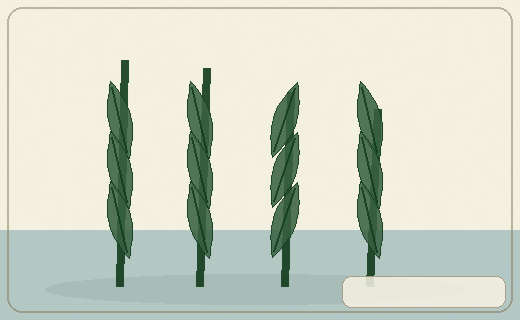
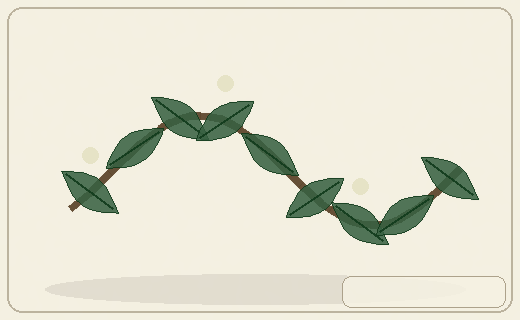
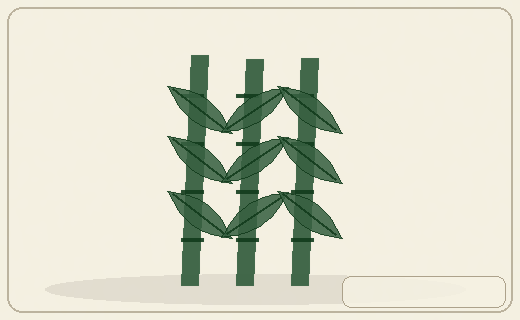
Stylized form diagram for Asian bamboos
Identify
Hollow or thick-walled segmented culms; branches at nodes; narrow grass leaves.
Habitat
Asian tropical, subtropical and temperate forest, river valleys and disturbed ground.
Season
Culms year-round; shoots rainy or spring season.
Field use
Shelter, containers, bows, arrow shafts, spears, traps, rafts, cordage strips and friction-fire sets; selected young shoots are food after boiling.
Caution
Shoot cyanide varies; never eat raw unknown bamboo shoots. Green culms can split in fire.
Look-alikes
Giant reeds lack woody branched culms.
constructionbow woodarrow shaftcontainerbow drillfood shoot
Rattan palms

Calamoideae climbing palms

Useful plants
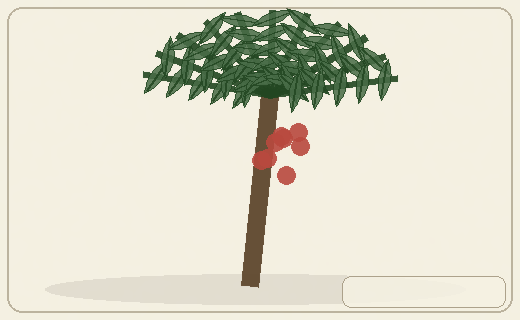
Stylized form diagram for Rattan palms
Identify
Long climbing palm stems with pinnate leaves and backward-pointing hooks or flagella.
Habitat
Southeast Asian and African humid forest.
Season
Stems year-round; fruit seasonal.
Field use
Exceptionally strong flexible cane for lashings, baskets, traps, pack frames and bow backing.
Caution
Hooks tear skin and eyes. Some fruits are irritant or very sour; species identification is difficult.
Look-alikes
Lianas lack palm leaf bases and specialized climbing whips.
cordagebasketrytrappack frame

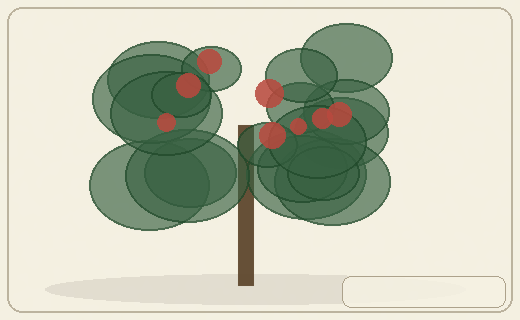
Paper mulberry

Broussonetia papyrifera

Useful plants
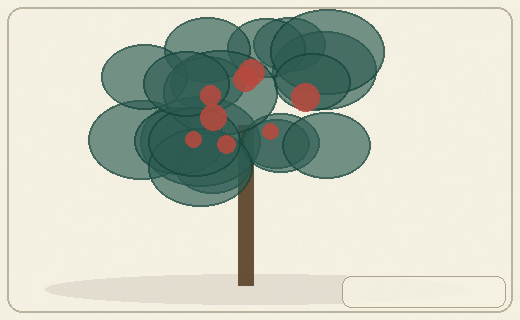
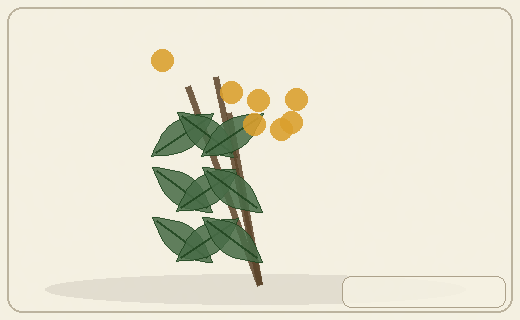
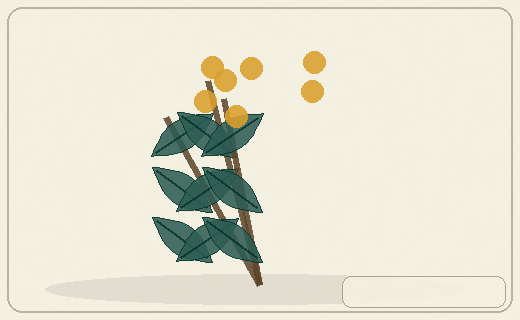
Stylized form diagram for Paper mulberry
Identify
Variable lobed rough leaves; milky sap; orange-red aggregate female fruits.
Habitat
East and Southeast Asian forest edge, villages and disturbed ground; introduced widely.
Season
Bark and wood year-round; fruit seasonal.
Field use
Inner bark has famous barkcloth, cordage and paper uses; straight shoots make arrow shafts; ripe fruit is edible but fragile.
Caution
Milky sap can irritate and fruit spoils quickly. Trees may be invasive.
Look-alikes
Mulberries have similar fruit but usually less variable leaves and no dense orange hairs.
cordagebarkclotharrow shaftfood fruit

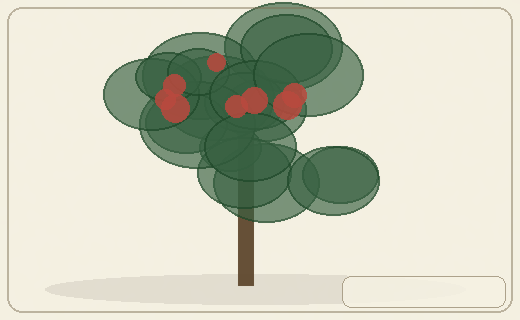
Teak

Tectona grandis

Useful plants
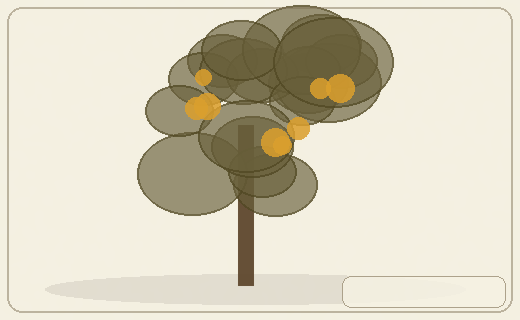
Stylized form diagram for Teak
Identify
Very large opposite rough leaves; small white flower panicles; round fruit in an inflated papery calyx.
Habitat
South and Southeast Asian seasonal forest.
Season
Wood year-round; leaves growing season.
Field use
Durable water-resistant wood for tools, containers, paddles and construction; dry leaves can bulk tinder.
Caution
Dust can cause dermatitis; old planted trees may be owned.
Look-alikes
Gmelina has opposite leaves but different fruit and smoother leaf texture.
constructiontoolscontainertinder

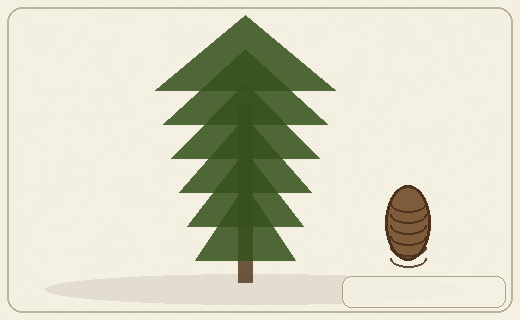
Deodar cedar

Cedrus deodara

Useful plants
Stylized form diagram for Deodar cedar
Identify
Long soft needles in clusters on short shoots; large upright barrel-shaped cones; drooping branch tips.
Habitat
Western Himalayan montane forest.
Season
Year-round.
Field use
Strong aromatic wood for beams, pegs and fuel; resin-rich chips aid ignition.
Caution
Large old trees are culturally important and often protected. Resin smoke needs ventilation.
Look-alikes
Blue pine has needles in bundles of five and hanging cones.
constructionpegsfueltinder

Land edibles

Terrestrial food species

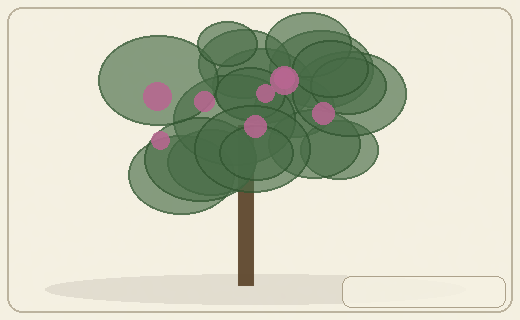
Asian persimmons

Diospyros kaki / D. lotus

Land-based edible plants
Stylized form diagram for Asian persimmons
Identify
Alternate glossy leaves; urn-like flowers; orange to purple fruits with large persistent calyx.
Habitat
East Asian forest edges, valleys and abandoned orchards.
Season
Fruit autumn.
Field use
Fully ripe fruit is documented food; dense wood makes pegs and small tools.
Caution
Unripe fruit is intensely astringent. Cultivated ownership and species matter.
Look-alikes
Date plum and other Diospyros vary in fruit size and color.
food fruitpegstools

Wild walnuts

Juglans spp.

Land-based edible plants
Stylized form diagram for Wild walnuts
Identify
Large alternate compound leaves; chambered twig pith; green husks around hard corrugated nuts.
Habitat
Temperate Asian and North American valleys and mountain forest.
Season
Nuts autumn; wood year-round.
Field use
Nuts are high-energy food; hard wood makes bows, handles and tools; husks provide dye.
Caution
Nut allergy and mold risk; husk juice stains and may irritate.
Look-alikes
Hickory husks split cleanly and twig pith differs.
food nutbow woodhandlesdye

Asian chestnuts

Castanea mollissima / C. crenata

Land-based edible plants
Stylized form diagram for Asian chestnuts
Identify
Long sharply toothed leaves; nuts enclosed in dense spiny burs.
Habitat
East Asian temperate forest and old cultivation.
Season
Nuts autumn; wood year-round.
Field use
Nuts are high-energy food after roasting; wood makes bows, stakes and fuel.
Caution
Burs are extremely sharp. Moldy nuts are unsafe.
Look-alikes
Horse chestnut has palmately compound leaves and toxic shiny seeds in fewer-spined husks.
food nutbow woodstakesfuel

Stinging nettle

Urtica dioica

Land-based edible plants
Stylized form diagram for Stinging nettle
Identify
Opposite sharply toothed leaves; fibrous stems; translucent stinging hairs; green flower clusters.
Habitat
Rich disturbed soil, river terraces, old camps and forest openings.
Season
Young tops spring; fiber later.
Field use
Young tops are documented food after thorough cooking or drying; mature stems yield strong bast fiber.
Caution
Wear gloves; do not eat raw. Internal use can affect medicines and kidney conditions.
Look-alikes
Dead-nettles do not sting and have showier mint-family flowers.
food greencordagefiber

Wild onions and garlic

Allium spp.

Land-based edible plants
Stylized form diagram for Wild onions and garlic
Identify
Narrow leaves or hollow stems; spherical flower heads; clear onion or garlic odor in leaf and bulb.
Habitat
Meadows, rocky slopes, open woodland and stream terraces.
Season
Spring through fall.
Field use
Leaves, flowers and bulbs of positively identified Allium are documented food and seasoning.
Caution
Every sampled part must smell of onion, but odor is not the only test. Avoid unknown bulbs.
Look-alikes
Death camas lacks onion odor and can be fatal.
food greenfood bulb

Aquatic edibles

Water-margin food species

Watercress

Nasturtium officinale

Water and wetland edible plants
Stylized form diagram for Watercress
Identify
Creeping hollow stems; pinnate leaves with a larger rounded terminal leaflet; small white four-petaled flowers.
Habitat
Cold flowing springs and streams, often where nutrient-rich.
Season
Cool seasons.
Field use
Tender tops are documented food and are usually cooked in survival settings.
Caution
Raw watercress can carry liver flukes and sewage pathogens. Avoid downstream of livestock, roads or settlements.
Look-alikes
Water hemlock has divided leaves and umbrella flowers; never rely on habitat alone.
food green

Cattails

Typha spp.

Water and wetland edible plants
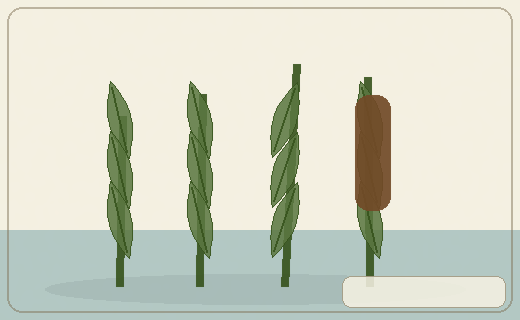
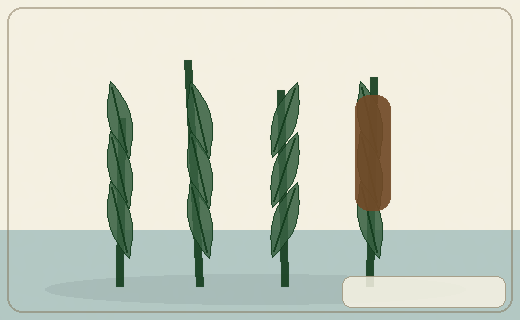
Stylized form diagram for Cattails
Identify
Tall flat strap leaves; dense brown cylindrical female flower spike below a narrower male section.
Habitat
Marshes, pond edges, slow channels and wet ditches.
Season
Shoots spring; pollen early summer; rhizomes year-round where lawful.
Field use
Documented food parts include young inner shoots, pollen and processed rhizome starch. Leaves make mats, baskets and thatch; seed down can bulk tinder.
Caution
Water can concentrate sewage, metals and parasites. Raw rhizome requires correct processing; avoid contaminated marshes.
Look-alikes
Yellow flag iris has sword leaves and showy flowers but no brown cattail head.
food shootfood starchbasketrythatchtinder

Sacred lotus

Nelumbo nucifera

Water and wetland edible plants
Stylized form diagram for Sacred lotus
Identify
Large circular peltate leaves usually rising above water; large pink-white flowers; showerhead seed pods.
Habitat
Warm Asian lakes, ponds, floodplains and cultivated wetlands.
Season
Rhizomes, seeds and shoots seasonal.
Field use
Rhizomes, seeds and young stems are documented foods after cooking; fibers have craft use.
Caution
Wetland contamination and deep mud are major hazards. Raw parts can carry parasites.
Look-alikes
Water lily leaves have a slit and usually float.
food starchfood seedfiber

Traditional-use

Documented traditional medicine

Ginger

Zingiber officinale

Medicinal and traditional-use plants
Stylized form diagram for Ginger
Identify
Narrow leaves on pseudostems; thick aromatic branching rhizome; cone-like flower spike from the ground.
Habitat
Tropical Asian cultivation and moist disturbed ground.
Season
Rhizomes year-round.
Field use
Known rhizomes are documented food, seasoning and traditional-use plant.
Caution
Do not dig unknown ginger-family plants. Large medicinal doses can interact with anticoagulants.
Look-alikes
Wild gingers and turmeric differ in leaf width, scent and flowers.
seasoningmedicine

Turmeric

Curcuma longa

Medicinal and traditional-use plants
Stylized form diagram for Turmeric
Identify
Large lance leaves from an underground orange rhizome; pale flower spike with colored bracts.
Habitat
South and Southeast Asian cultivation and disturbed humid ground.
Season
Rhizomes late season.
Field use
Known rhizomes are documented spice, dye and traditional-use material.
Caution
Wild ginger relatives can look similar and some are not edible. Concentrated medicinal dosing is not advised.
Look-alikes
Zingiber and Curcuma species differ in flower spike and rhizome color.
seasoningdyemedicine

Mugworts

Artemisia vulgaris complex

Medicinal and traditional-use plants
Stylized form diagram for Mugworts
Identify
Aromatic deeply lobed leaves, commonly silvery beneath; small inconspicuous flower heads.
Habitat
Disturbed ground, steppe, forest edges and riverbanks.
Season
Summer through fall.
Field use
Documented traditional uses include aromatic smoke and digestive preparations; dry stalks can be tinder.
Caution
Avoid internal use during pregnancy or with seizure disorders. Species identification is difficult.
Look-alikes
Ragweeds lack the silvery underside and have different flowers.
medicinetinder

Poisonous look-alikes

Do not eat — verify before harvest

Monkshoods

Aconitum spp.

Poisonous plants
Stylized form diagram for Monkshoods
Identify
Deeply divided palmate leaves; blue, purple, yellow or white hood-shaped flowers.
Habitat
Moist mountain meadows, streambanks and cool forest.
Season
Summer.
Field use
No food or field medicinal use.
Caution
All parts contain potent aconitine-type alkaloids; ingestion can cause fatal heart and nerve effects.
Look-alikes
Larkspurs have a rear spur and are also toxic.
poison

Flame lily

Gloriosa superba

Poisonous plants
Stylized form diagram for Flame lily
Identify
Climbing herb with tendril-like leaf tips and red-yellow reflexed flame-shaped flowers; underground tubers.
Habitat
African and Asian tropical grassland, thicket and forest edge.
Season
Wet season.
Field use
No food or medicine use.
Caution
All parts, especially tubers and seeds, contain colchicine-type toxins and can be fatal.
Look-alikes
Edible yams twine differently and have inconspicuous flowers.
poison

Cerbera / suicide tree

Cerbera odollam and related spp.

Poisonous plants
Stylized form diagram for Cerbera / suicide tree
Identify
Glossy narrow leaves clustered at twig ends; white five-petaled flowers; mango-like green fruit; milky sap.
Habitat
South and Southeast Asian coasts, mangroves and river edges.
Season
Year-round.
Field use
No food use.
Caution
Seeds contain potent cardiac glycosides and can be fatal; sap is irritating.
Look-alikes
Sea mango relatives and edible mangoes differ but fruit similarity is dangerous.
poison

Foxglove

Digitalis purpurea

Poisonous plants
Stylized form diagram for Foxglove
Identify
Tall spike of purple, pink or white tubular flowers with spotted throats; soft wrinkled basal leaves.
Habitat
Roadsides, clearings, old farms and disturbed temperate ground.
Season
Late spring through summer.
Field use
No field medicinal use.
Caution
All parts contain potent cardiac glycosides and can cause life-threatening rhythm disturbances.
Look-alikes
First-year rosettes can resemble comfrey or mullein.
poison