
Skip to content

Global Regional Plant Guides

South Asian Monsoon Forest & River Plains Plant Survival Guide

A comprehensive survival plant guide for South Asian Monsoon Forest & River Plains, covering useful woody materials, land foods, aquatic foods, traditional-use plants and poisonous look-alikes.

Cover of South Asian Monsoon Forest & River Plains Plant Survival Guide
Continent
Asia
USDA-equivalent zones
10-13
Köppen climate
Aw / Am / Cwa
Profiles
20
Regional biome
Monsoon forest, floodplain, marsh, riverbank and village edge
Download PDF (17 pages)

Print-ready · US Letter · clickable sources

Useful plants · 5Land edibles · 5Aquatic edibles · 3Traditional-use · 3Poisonous look-alikes · 4

Useful plants

Wood, fibre, shelter and craft

Sal

Shorea robusta

Useful plants
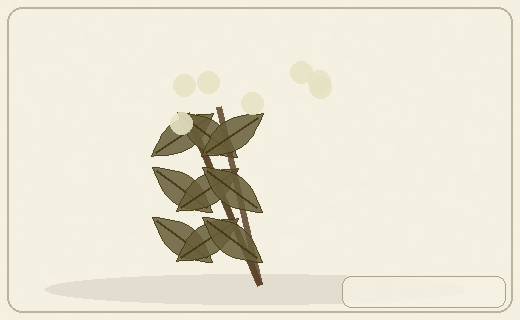
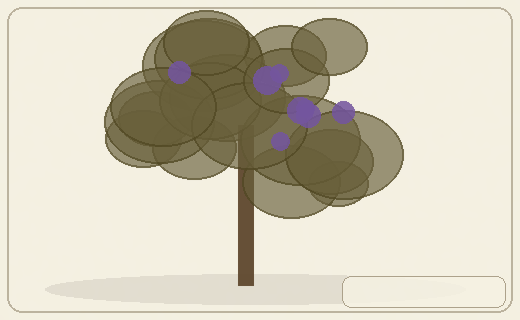
Stylized form diagram for Sal
Identify
Tall straight tree; thick leathery oval leaves with prominent veins; winged fruits; rough dark bark.
Habitat
South Asian monsoon forest and foothill plains.
Season
Wood year-round; seeds seasonal.
Field use
Very strong construction wood, durable fuel and leaf plates; resin and seeds have documented regional uses.
Caution
Heavy wood is poor bow-drill board material. Harvest is regulated and forests are often protected.
Look-alikes
Dipterocarps share winged fruit; local identification is needed.
constructionfuelleaf containerresin
Banyan and strangler figs

Ficus benghalensis and related spp.

Useful plants
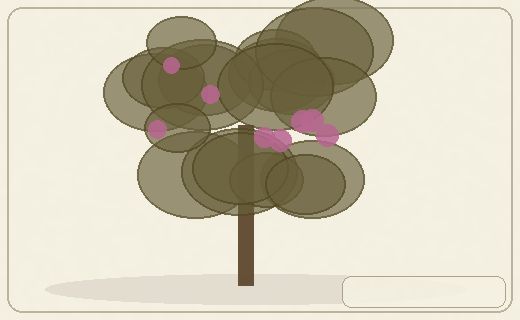
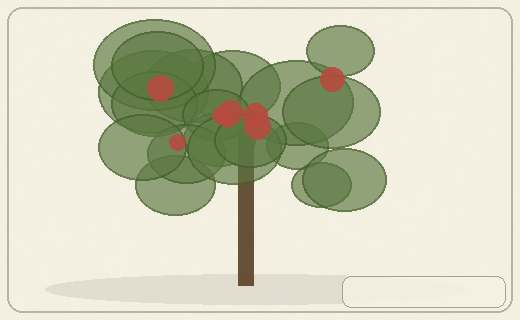
Stylized form diagram for Banyan and strangler figs
Identify
Milky latex; alternate simple leaves; aerial roots from branches; fig fruits with tiny internal flowers.
Habitat
South Asian and tropical forest, village groves and riverbanks.
Season
Fruit varies; roots and fiber year-round.
Field use
Aerial roots and bark fiber provide cordage; dry roots and wood make light friction-fire materials; ripe figs of known species feed people and wildlife.
Caution
Milky latex irritates. Many figs are edible but some are poor; sacred or owned trees must not be damaged.
Look-alikes
Mulberries have external aggregate fruit, not enclosed figs.
cordagebow drill boardfood fruit

Asian bamboos

Bambusa / Dendrocalamus / Phyllostachys spp.

Useful plants
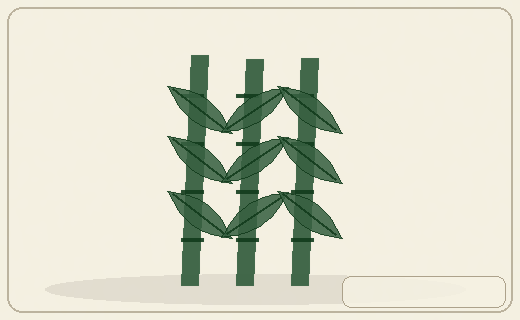
Stylized form diagram for Asian bamboos
Identify
Hollow or thick-walled segmented culms; branches at nodes; narrow grass leaves.
Habitat
Asian tropical, subtropical and temperate forest, river valleys and disturbed ground.
Season
Culms year-round; shoots rainy or spring season.
Field use
Shelter, containers, bows, arrow shafts, spears, traps, rafts, cordage strips and friction-fire sets; selected young shoots are food after boiling.
Caution
Shoot cyanide varies; never eat raw unknown bamboo shoots. Green culms can split in fire.
Look-alikes
Giant reeds lack woody branched culms.
constructionbow woodarrow shaftcontainerbow drillfood shoot

Neem

Azadirachta indica

Useful plants
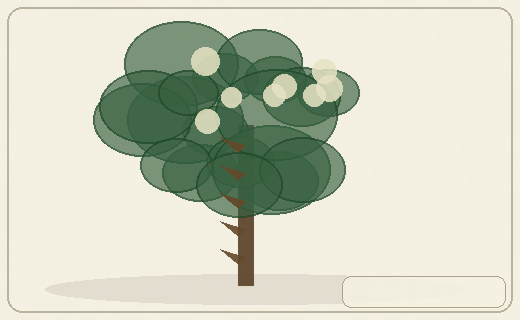
Stylized form diagram for Neem
Identify
Compound leaves with many sharply toothed leaflets; small white flowers; olive-like yellow fruits.
Habitat
South Asian dry tropics, villages and disturbed ground; introduced widely.
Season
Leaves year-round; fruit seasonal.
Field use
Hard wood, fuel, shade and documented insect-repellent and traditional uses.
Caution
Neem oil and seeds can be toxic if swallowed, especially to children; no field dosing.
Look-alikes
Chinaberry has larger twice-compound leaves and purple flowers and is toxic.
fueltoolsinsect repellentmedicine

Teak

Tectona grandis

Useful plants
Stylized form diagram for Teak
Identify
Very large opposite rough leaves; small white flower panicles; round fruit in an inflated papery calyx.
Habitat
South and Southeast Asian seasonal forest.
Season
Wood year-round; leaves growing season.
Field use
Durable water-resistant wood for tools, containers, paddles and construction; dry leaves can bulk tinder.
Caution
Dust can cause dermatitis; old planted trees may be owned.
Look-alikes
Gmelina has opposite leaves but different fruit and smoother leaf texture.
constructiontoolscontainertinder

Land edibles

Terrestrial food species

Tamarind

Tamarindus indica

Land-based edible plants
Stylized form diagram for Tamarind
Identify
Fine paired leaflets; brown brittle pods containing sticky sour pulp and hard seeds.
Habitat
African and Asian dry tropics, river valleys and old settlements.
Season
Pods dry season; wood year-round.
Field use
Pod pulp is documented food and drink flavoring; dense wood makes handles and fuel.
Caution
Seeds are extremely hard; avoid moldy pods. Acidic pulp can worsen reflux.
Look-alikes
Cassia pods and leaves differ; tamarind pods are brittle and pulp sticky.
food podhandlesfuel

Moringa

Moringa oleifera

Land-based edible plants
Stylized form diagram for Moringa
Identify
Triply compound leaves; white fragrant flowers; long slender three-angled pods; soft pale wood.
Habitat
Tropical dry regions, villages and disturbed ground.
Season
Leaves much of year; pods seasonal.
Field use
Young leaves and pods are documented foods after cooking; seeds have limited water-clarification use in controlled settings.
Caution
Seeds do not disinfect water and can add organic matter. Roots and concentrated medicinal use are unsafe.
Look-alikes
Senna and other compound-leaved trees lack the long three-angled pods.
food greenfood podwater clarification

Bananas and plantains

Musa spp.

Land-based edible plants
Stylized form diagram for Bananas and plantains
Identify
Large paddle leaves from layered leaf bases forming a pseudostem; hanging flower and fruit cluster.
Habitat
Tropical forest gaps, river valleys and old cultivation.
Season
Fruit and shoots year-round where warm.
Field use
Ripe fruit and cooked green fruit of known cultivars are food; leaves wrap food and shed rain; pseudostem fibers make cordage and tinder.
Caution
Wild bananas may contain many hard seeds. Sap stains and plantations are owned.
Look-alikes
Heliconia has smaller fruits and different flower bracts.
food fruitleaf wrapcordagetinder

Papaya

Carica papaya

Land-based edible plants
Stylized form diagram for Papaya
Identify
Soft unbranched hollow trunk; crown of deeply lobed leaves; large fruits attached near the trunk.
Habitat
Tropical clearings, river terraces and abandoned cultivation.
Season
Fruit year-round in warm climates.
Field use
Fully ripe fruit is documented food; black seeds are peppery but used sparingly. Green fruit is cooked in established cuisines.
Caution
Milky latex can irritate skin and may affect pregnancy or medications. Avoid wild fruit contaminated by animals.
Look-alikes
Cecropia has woody branching stems and finger-like fruits.
food fruitfood green

Chinese jujube

Ziziphus jujuba

Land-based edible plants
Stylized form diagram for Chinese jujube
Identify
Zigzag twigs with paired thorns; glossy three-veined leaves; small red-brown drupes.
Habitat
Warm temperate and dry Asian valleys, orchards and scrub.
Season
Fruit late summer-fall.
Field use
Ripe fruit is documented food fresh or dried; hard wood makes handles and pegs.
Caution
Unripe fruit is astringent; ownership and pesticide exposure matter.
Look-alikes
Other Ziziphus species vary in fruit size and thorn form.
food fruithandlespegs

Aquatic edibles

Water-margin food species

Sacred lotus

Nelumbo nucifera

Water and wetland edible plants
Stylized form diagram for Sacred lotus
Identify
Large circular peltate leaves usually rising above water; large pink-white flowers; showerhead seed pods.
Habitat
Warm Asian lakes, ponds, floodplains and cultivated wetlands.
Season
Rhizomes, seeds and shoots seasonal.
Field use
Rhizomes, seeds and young stems are documented foods after cooking; fibers have craft use.
Caution
Wetland contamination and deep mud are major hazards. Raw parts can carry parasites.
Look-alikes
Water lily leaves have a slit and usually float.
food starchfood seedfiber

Water chestnut

Eleocharis dulcis

Water and wetland edible plants
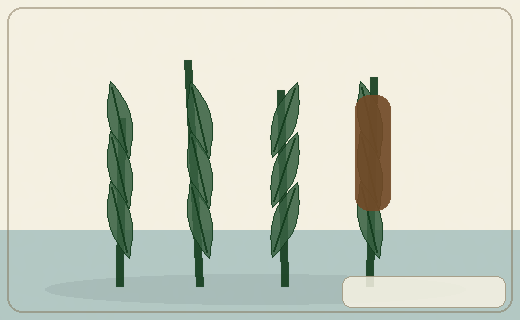
Stylized form diagram for Water chestnut
Identify
Leafless-looking round green stems in clumps; small brown spikelets; underground dark corms.
Habitat
Warm freshwater marshes, paddies and pond margins.
Season
Corms late season.
Field use
Clean cooked corms are documented food.
Caution
Raw corms can carry parasites and wetlands may be contaminated. Confirm sedge and corm structure.
Look-alikes
Spike-rush species without large edible corms are common.
food tuber

Water spinach

Ipomoea aquatica

Water and wetland edible plants
Stylized form diagram for Water spinach
Identify
Hollow creeping stems; arrow to lance leaves; pale morning-glory flowers.
Habitat
Warm freshwater ditches, ponds and slow rivers; native or invasive.
Season
Warm season.
Field use
Tender shoots are a documented cooked green.
Caution
Raw plants can carry parasites and sewage pathogens; avoid polluted water and check invasive-species law.
Look-alikes
Water hemlock has divided leaves and umbels, not morning-glory flowers.
food green

Traditional-use

Documented traditional medicine

Turmeric

Curcuma longa

Medicinal and traditional-use plants
Stylized form diagram for Turmeric
Identify
Large lance leaves from an underground orange rhizome; pale flower spike with colored bracts.
Habitat
South and Southeast Asian cultivation and disturbed humid ground.
Season
Rhizomes late season.
Field use
Known rhizomes are documented spice, dye and traditional-use material.
Caution
Wild ginger relatives can look similar and some are not edible. Concentrated medicinal dosing is not advised.
Look-alikes
Zingiber and Curcuma species differ in flower spike and rhizome color.
seasoningdyemedicine

Ginger

Zingiber officinale

Medicinal and traditional-use plants
Stylized form diagram for Ginger
Identify
Narrow leaves on pseudostems; thick aromatic branching rhizome; cone-like flower spike from the ground.
Habitat
Tropical Asian cultivation and moist disturbed ground.
Season
Rhizomes year-round.
Field use
Known rhizomes are documented food, seasoning and traditional-use plant.
Caution
Do not dig unknown ginger-family plants. Large medicinal doses can interact with anticoagulants.
Look-alikes
Wild gingers and turmeric differ in leaf width, scent and flowers.
seasoningmedicine

Holy basil / tulsi

Ocimum tenuiflorum

Medicinal and traditional-use plants
Stylized form diagram for Holy basil / tulsi
Identify
Opposite toothed aromatic leaves on square stems; purple or green flower spikes.
Habitat
South Asian gardens, disturbed ground and warm forest edge.
Season
Growing season.
Field use
Documented seasoning and culturally important traditional-use herb.
Caution
Do not rely on aroma alone; concentrated extracts can interact with blood sugar and anticoagulant medicines.
Look-alikes
Other Ocimum species are similar and usually require flowers.
seasoningmedicine

Poisonous look-alikes

Do not eat — verify before harvest

Strychnine tree

Strychnos nux-vomica

Poisonous plants
Stylized form diagram for Strychnine tree
Identify
Opposite glossy leaves with curved veins; round orange fruit containing flat disk-like seeds.
Habitat
South and Southeast Asian dry forest and river margins.
Season
Fruit seasonal.
Field use
No food or medicinal use.
Caution
Seeds contain strychnine and brucine and can cause fatal convulsions.
Look-alikes
Some edible Strychnos fruits exist in Africa, making genus-level assumptions unsafe.
poison

Flame lily

Gloriosa superba

Poisonous plants
Stylized form diagram for Flame lily
Identify
Climbing herb with tendril-like leaf tips and red-yellow reflexed flame-shaped flowers; underground tubers.
Habitat
African and Asian tropical grassland, thicket and forest edge.
Season
Wet season.
Field use
No food or medicine use.
Caution
All parts, especially tubers and seeds, contain colchicine-type toxins and can be fatal.
Look-alikes
Edible yams twine differently and have inconspicuous flowers.
poison

Rosary pea

Abrus precatorius

Poisonous plants
Stylized form diagram for Rosary pea
Identify
Slender vine with many small paired leaflets, pink pea flowers and pods exposing red-black seeds.
Habitat
Tropical and subtropical thickets and disturbed ground worldwide.
Season
Seeds seasonal.
Field use
No use. Seeds are sometimes used as beads but should not be drilled or handled by children.
Caution
Chewed or damaged seeds contain abrin and can be fatal.
Look-alikes
Other small-seeded legumes lack the distinctive red seed with black spot.
poison

Castor bean

Ricinus communis

Poisonous plants
Stylized form diagram for Castor bean
Identify
Large star-shaped palmately lobed leaves; spiny capsules; glossy mottled seeds.
Habitat
Warm disturbed ground, riverbanks and tropical/subtropical waste areas.
Season
Growing season; seeds seasonal.
Field use
No survival food or medicine use. Oil extraction is industrial, not a field process.
Caution
Chewed seeds can release ricin and cause severe or fatal poisoning.
Look-alikes
Jatropha has similar lobed leaves but different fruit; it is also toxic.
poison