
Skip to content

Global Regional Plant Guides

Pacific Islands Tropical Littoral & Volcanic Forest Plant Survival Guide

A comprehensive survival plant guide for Pacific Islands Tropical Littoral & Volcanic Forest, covering useful woody materials, land foods, aquatic foods, traditional-use plants and poisonous look-alikes.

Cover of Pacific Islands Tropical Littoral & Volcanic Forest Plant Survival Guide
Continent
Oceania
USDA-equivalent zones
11-13
Köppen climate
Af / Am
Profiles
20
Regional biome
Littoral forest, volcanic upland, freshwater wetland and reef coast
Download PDF (17 pages)

Print-ready · US Letter · clickable sources

Useful plants · 5Land edibles · 5Aquatic edibles · 3Traditional-use · 3Poisonous look-alikes · 4

Useful plants

Wood, fibre, shelter and craft

Coconut palm

Cocos nucifera
Useful plants
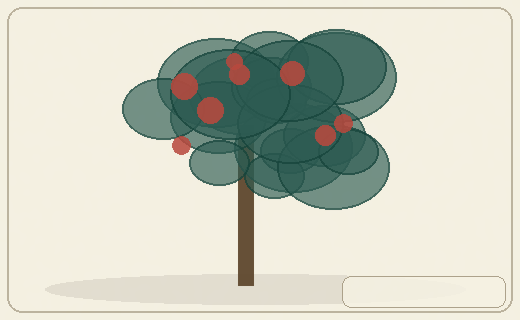
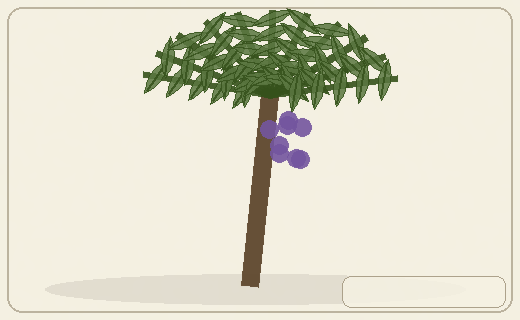
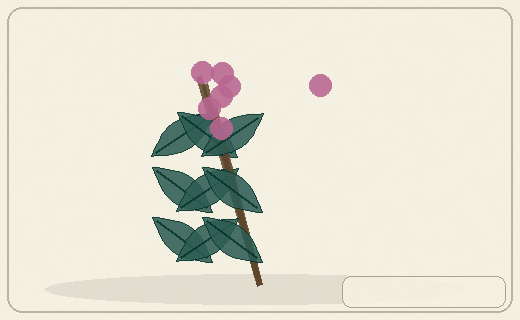
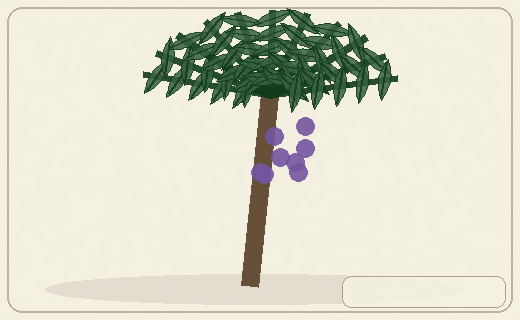
Stylized form diagram for Coconut palm
Identify
Tall often leaning palm; pinnate leaves; large fibrous coconuts with three eyes.
Habitat
Tropical coasts and islands, usually near human settlement.
Season
Fruit year-round in warm climates.
Field use
Water and meat from intact mature fruit are food; husk coir makes cordage and tinder; shell makes bowls; fronds provide thatch and basketry.
Caution
Falling coconuts kill. Sour, cracked or contaminated nuts are unsafe. Trees often belong to someone.
Look-alikes
Other palms have smaller fruit and no thick coir husk.
food waterfood fruitcordagetindercontainerthatch
Pacific pandanus

Pandanus tectorius

Useful plants
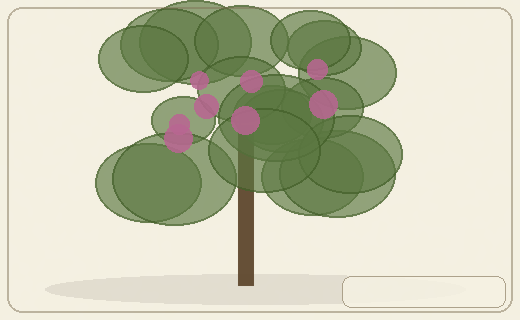
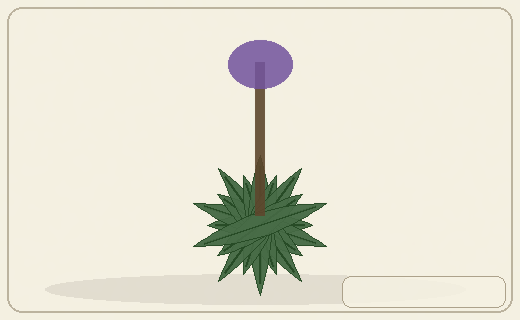
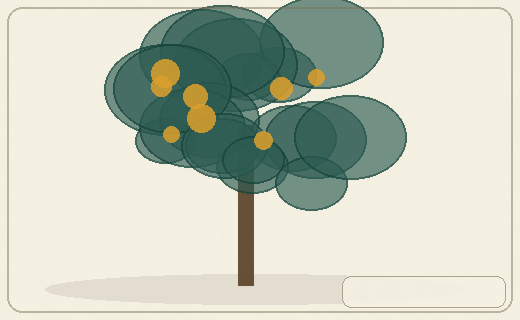
Stylized form diagram for Pacific pandanus
Identify
Prop-rooted tree with spiral saw-edged leaves and large segmented orange-red fruit heads.
Habitat
Pacific island littoral forest, atolls and volcanic coasts.
Season
Fruit seasonal; leaves year-round.
Field use
Prepared fruit keys are documented food; leaves are premier material for mats, baskets, cordage, roofing and sails.
Caution
Processing varies by island and cultivar. Leaf edges cut deeply; respect ownership.
Look-alikes
Pineapple lacks prop roots and a woody branching trunk.
food fruitbasketrycordagethatch

Sea hibiscus

Talipariti tiliaceum

Useful plants
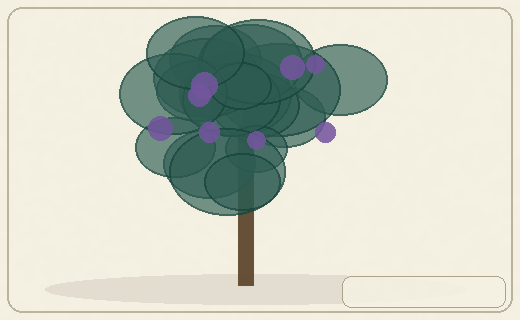
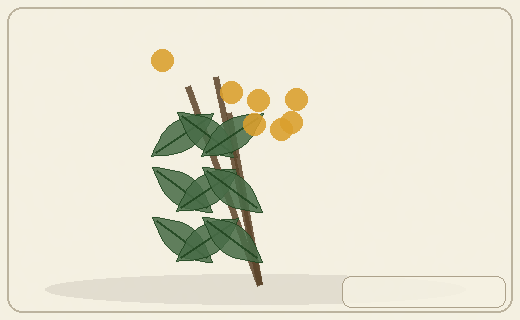
Stylized form diagram for Sea hibiscus
Identify
Heart-shaped leaves pale beneath; yellow hibiscus flowers turning orange-red; fibrous bark.
Habitat
Tropical Pacific and Indian Ocean beaches, estuaries and lowland forest.
Season
Bark and wood year-round; flowers seasonal.
Field use
Inner bark yields excellent cordage; light flexible wood makes floats, outriggers, bow-drill boards and firewood.
Caution
Do not girdle living trees. Wet coastal wood needs drying.
Look-alikes
Portia tree has rounder glossy leaves and persistent brown capsules.
cordagefloatbow drill boardfuel

Portia tree

Thespesia populnea

Useful plants
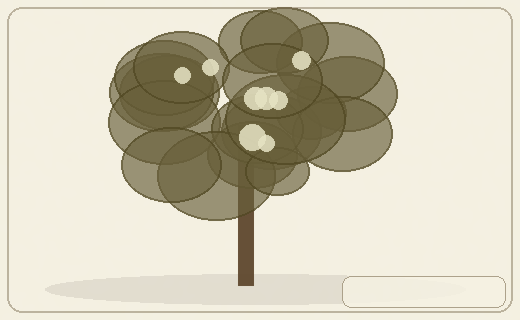
Stylized form diagram for Portia tree
Identify
Glossy heart-shaped leaves; yellow-purple hibiscus flowers; round persistent capsules.
Habitat
Tropical littoral forest and village coasts.
Season
Wood year-round; flowers and fruit seasonal.
Field use
Dense durable wood for bowls, paddles, tools and small bows; bark fiber has cordage use.
Caution
Seeds and sap are not casual foods; ownership and cultural uses matter.
Look-alikes
Sea hibiscus has paler leaf undersides and fibrous lighter wood.
bow woodtoolspaddlecordage

She-oaks / casuarinas

Casuarina / Allocasuarina spp.

Useful plants
Stylized form diagram for She-oaks / casuarinas
Identify
Fine jointed needle-like branchlets; tiny scale leaves at joints; woody cone-like fruits; furrowed bark.
Habitat
Australian coast, woodland, riverbanks and Pacific shores.
Season
Wood year-round; seeds seasonal.
Field use
Dense wood for spear shafts, clubs, handles, bows and excellent coals; fine dry branchlets are tinder.
Caution
Heavy limbs fall in wind. Do not confuse branchlets with edible Ephedra.
Look-alikes
Tamarisk has finer feathery twigs and pink flowers, not woody cones.
bow woodspearhandlesfueltinder

Land edibles

Terrestrial food species

Breadfruit

Artocarpus altilis

Land-based edible plants
Stylized form diagram for Breadfruit
Identify
Large deeply lobed glossy leaves; milky sap; round green bumpy multiple fruits.
Habitat
Pacific and Southeast Asian humid tropics, usually cultivated or naturalized.
Season
Fruit seasonal; wood year-round.
Field use
Mature fruit is a major documented starch after cooking; latex seals containers; light wood makes canoe parts and boards.
Caution
Raw fruit and latex irritate; ownership and cultivar maturity matter.
Look-alikes
Jackfruit has larger spiny fruit directly on trunk and less deeply lobed leaves.
food starchsealantconstruction

Noni

Morinda citrifolia

Land-based edible plants
Stylized form diagram for Noni
Identify
Opposite large glossy leaves; small white tubular flowers fused into a lumpy pale fruit with strong odor.
Habitat
Pacific and Southeast Asian coasts, disturbed forest and limestone soils.
Season
Fruit year-round in warm climates.
Field use
Ripe fruit has documented famine-food and traditional use; wood and bark have dye and tool uses.
Caution
Strong odor does not prove safety; large or medicinal amounts can affect liver, kidneys or medications.
Look-alikes
Other Morinda species differ in fruit size and habitat.
food fruitdyemedicine

Tropical almond

Terminalia catappa

Land-based edible plants
Stylized form diagram for Tropical almond
Identify
Tiered horizontal branches; large obovate leaves turning red; flattened oval fruits with edible kernel.
Habitat
Tropical coasts and island settlements.
Season
Fruit seasonal; wood year-round.
Field use
Kernels are documented food; leaves make wrapping and shade; wood serves paddles, tools and fuel.
Caution
Hard shells require safe cracking; trees may be owned. Fruit flesh varies.
Look-alikes
Sea mango has narrower glossy leaves and poisonous fruit.
food nutleaf wrappaddlefuel

Bananas and plantains

Musa spp.

Land-based edible plants
Stylized form diagram for Bananas and plantains
Identify
Large paddle leaves from layered leaf bases forming a pseudostem; hanging flower and fruit cluster.
Habitat
Tropical forest gaps, river valleys and old cultivation.
Season
Fruit and shoots year-round where warm.
Field use
Ripe fruit and cooked green fruit of known cultivars are food; leaves wrap food and shed rain; pseudostem fibers make cordage and tinder.
Caution
Wild bananas may contain many hard seeds. Sap stains and plantations are owned.
Look-alikes
Heliconia has smaller fruits and different flower bracts.
food fruitleaf wrapcordagetinder

Papaya

Carica papaya

Land-based edible plants
Stylized form diagram for Papaya
Identify
Soft unbranched hollow trunk; crown of deeply lobed leaves; large fruits attached near the trunk.
Habitat
Tropical clearings, river terraces and abandoned cultivation.
Season
Fruit year-round in warm climates.
Field use
Fully ripe fruit is documented food; black seeds are peppery but used sparingly. Green fruit is cooked in established cuisines.
Caution
Milky latex can irritate skin and may affect pregnancy or medications. Avoid wild fruit contaminated by animals.
Look-alikes
Cecropia has woody branching stems and finger-like fruits.
food fruitfood green

Aquatic edibles

Water-margin food species

Nipa palm

Nypa fruticans

Water and wetland edible plants
Stylized form diagram for Nipa palm
Identify
Huge pinnate leaves arise directly from mud; round brown fruit head; trunk remains underground.
Habitat
Southeast Asian and Pacific mangrove estuaries.
Season
Sap and fruit seasonal; leaves year-round.
Field use
Young seed endosperm and processed sap are documented foods; leaves provide excellent thatch and basket material.
Caution
Tidal mud, crocodiles and contaminated estuaries are major hazards. Fermenting sap requires hygiene and ownership rights.
Look-alikes
No other mangrove palm has the same ground-level leaf crown and round fruit head.
food seedfood sapthatchbasketry

Sea grapes

Caulerpa racemosa / C. lentillifera

Water and wetland edible plants
Stylized form diagram for Sea grapes
Identify
Bright green creeping seaweed with bead-like branchlets or tiny grape clusters.
Habitat
Warm shallow marine flats, lagoons and reef edges.
Season
Year-round in warm seas.
Field use
Clean correctly identified sea grapes are documented raw or cooked food in many Pacific and Asian cultures.
Caution
Avoid polluted water, harmful algal blooms and look-alike algae. Rinse with clean seawater, not freshwater, until use.
Look-alikes
Other Caulerpa species vary; some are bitter or invasive.
food marine

Beach cabbage / sea purslane

Sesuvium portulacastrum

Water and wetland edible plants
Stylized form diagram for Beach cabbage / sea purslane
Identify
Creeping succulent with opposite narrow fleshy leaves and small pink-purple flowers.
Habitat
Tropical sandy and muddy coasts above normal tide.
Season
Year-round in warm climates.
Field use
Tender tips are documented cooked greens in some coastal cultures; stems help stabilize sand.
Caution
Very salty and may concentrate pollution. Avoid sewage and industrial coasts.
Look-alikes
Other iceplants and saltworts differ in flower and leaf arrangement.
food green

Traditional-use

Documented traditional medicine

Turmeric

Curcuma longa

Medicinal and traditional-use plants
Stylized form diagram for Turmeric
Identify
Large lance leaves from an underground orange rhizome; pale flower spike with colored bracts.
Habitat
South and Southeast Asian cultivation and disturbed humid ground.
Season
Rhizomes late season.
Field use
Known rhizomes are documented spice, dye and traditional-use material.
Caution
Wild ginger relatives can look similar and some are not edible. Concentrated medicinal dosing is not advised.
Look-alikes
Zingiber and Curcuma species differ in flower spike and rhizome color.
seasoningdyemedicine

Ginger

Zingiber officinale

Medicinal and traditional-use plants
Stylized form diagram for Ginger
Identify
Narrow leaves on pseudostems; thick aromatic branching rhizome; cone-like flower spike from the ground.
Habitat
Tropical Asian cultivation and moist disturbed ground.
Season
Rhizomes year-round.
Field use
Known rhizomes are documented food, seasoning and traditional-use plant.
Caution
Do not dig unknown ginger-family plants. Large medicinal doses can interact with anticoagulants.
Look-alikes
Wild gingers and turmeric differ in leaf width, scent and flowers.
seasoningmedicine

Gotu kola

Centella asiatica

Medicinal and traditional-use plants
Stylized form diagram for Gotu kola
Identify
Creeping herb with round kidney-shaped leaves on long stalks and tiny clustered flowers at nodes.
Habitat
Tropical wet ground, ditches, rice margins and streambanks.
Season
Year-round in warm climates.
Field use
Leaves are documented food and traditional-use plant, usually cooked or eaten from clean cultivation.
Caution
Wild plants from wet ground may carry parasites or pollutants. Concentrated medicinal use can affect liver and medicines.
Look-alikes
Hydrocotyle pennyworts have similar round leaves and require flower examination.
food greenmedicine

Poisonous look-alikes

Do not eat — verify before harvest

Fish-poison tree

Barringtonia asiatica

Poisonous plants
Stylized form diagram for Fish-poison tree
Identify
Large glossy leaves clustered at branch ends; showy white-pink brush flowers; large box-like floating fruit.
Habitat
Indo-Pacific beaches and littoral forest.
Season
Year-round leaves; fruit seasonal.
Field use
Wood and buoyant fruit have technical uses; no food use.
Caution
Seeds and bark contain saponins historically used to stun fish and are poisonous to people. Legal and ecological restrictions apply.
Look-alikes
Tropical almond has tiered branches and flatter oval fruit.
poisonfloat

Cerbera / suicide tree

Cerbera odollam and related spp.

Poisonous plants
Stylized form diagram for Cerbera / suicide tree
Identify
Glossy narrow leaves clustered at twig ends; white five-petaled flowers; mango-like green fruit; milky sap.
Habitat
South and Southeast Asian coasts, mangroves and river edges.
Season
Year-round.
Field use
No food use.
Caution
Seeds contain potent cardiac glycosides and can be fatal; sap is irritating.
Look-alikes
Sea mango relatives and edible mangoes differ but fruit similarity is dangerous.
poison

Rosary pea

Abrus precatorius

Poisonous plants
Stylized form diagram for Rosary pea
Identify
Slender vine with many small paired leaflets, pink pea flowers and pods exposing red-black seeds.
Habitat
Tropical and subtropical thickets and disturbed ground worldwide.
Season
Seeds seasonal.
Field use
No use. Seeds are sometimes used as beads but should not be drilled or handled by children.
Caution
Chewed or damaged seeds contain abrin and can be fatal.
Look-alikes
Other small-seeded legumes lack the distinctive red seed with black spot.
poison

Cycads called sago palms

Cycas spp.

Poisonous plants
Stylized form diagram for Cycads called sago palms
Identify
Crown of stiff pinnate leaves from a stout trunk; large exposed cones or seeds; no true flowers.
Habitat
Tropical and subtropical Asia and Oceania.
Season
Seeds seasonal; leaves year-round.
Field use
Leaves have limited thatch value, but food use is excluded in this guide.
Caution
Seeds and pith contain cycasin and neurotoxins; traditional detoxification is complex and failure can be fatal.
Look-alikes
True sago palm is a flowering palm with enclosed fruit, not a cycad cone.
poison