
Skip to content

Global Regional Plant Guides

New Zealand Temperate Rainforest, Shrubland & Alpine Plant Survival Guide

A comprehensive survival plant guide for New Zealand Temperate Rainforest, Shrubland & Alpine, covering useful woody materials, land foods, aquatic foods, traditional-use plants and poisonous look-alikes.

Cover of New Zealand Temperate Rainforest, Shrubland & Alpine Plant Survival Guide
Continent
Oceania
USDA-equivalent zones
6-10
Köppen climate
Cfb / Cfc / ET
Profiles
20
Regional biome
Podocarp-beech forest, flax wetland, tussock and alpine herbfield
Download PDF (17 pages)

Print-ready · US Letter · clickable sources

Useful plants · 5Land edibles · 5Aquatic edibles · 3Traditional-use · 3Poisonous look-alikes · 4

Useful plants

Wood, fibre, shelter and craft

New Zealand flax

Phormium tenax / P. cookianum
Useful plants
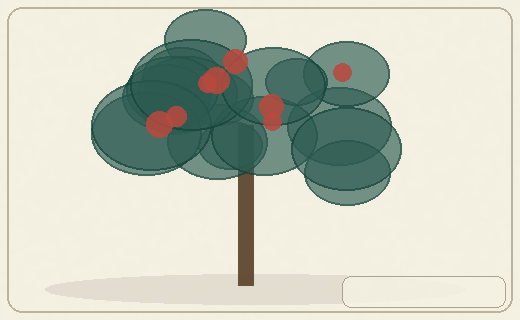
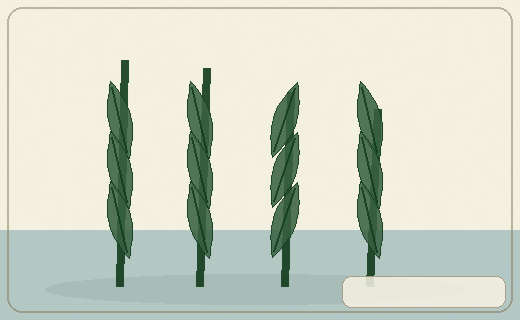
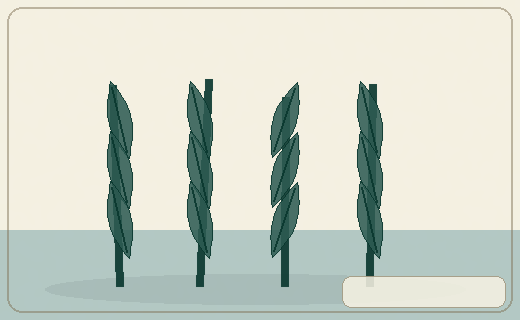
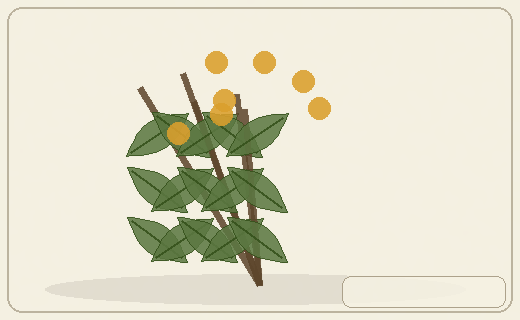
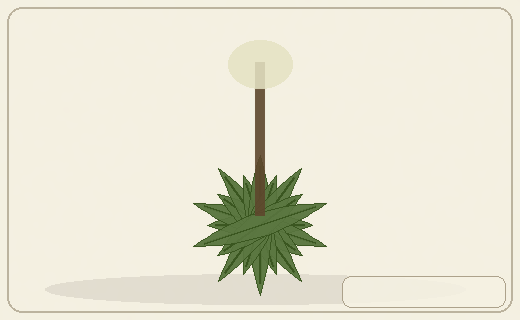
Stylized form diagram for New Zealand flax
Identify
Large tough sword leaves in fans; tall stalk with red or yellow tubular flowers; black seed capsules.
Habitat
New Zealand wetlands, coast, forest margins and mountain slopes.
Season
Leaves year-round; nectar seasonal.
Field use
Exceptional leaf fiber for cordage, nets, baskets, lashings and bowstrings; flower nectar has documented food use.
Caution
Leaf edges cut and fiber preparation is skilled. Plants are culturally significant; harvest protocols matter.
Look-alikes
Iris and cabbage-tree leaves differ in flower and fiber structure.
cordagebowstringbasketryfood nectar
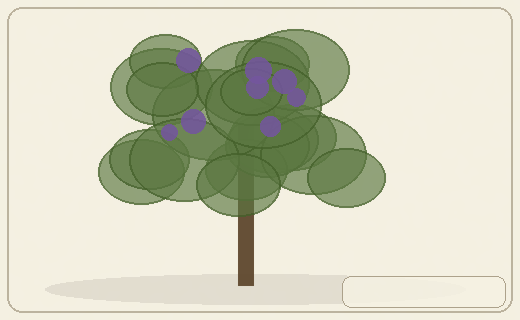
Manuka / tea tree

Leptospermum scoparium

Useful plants
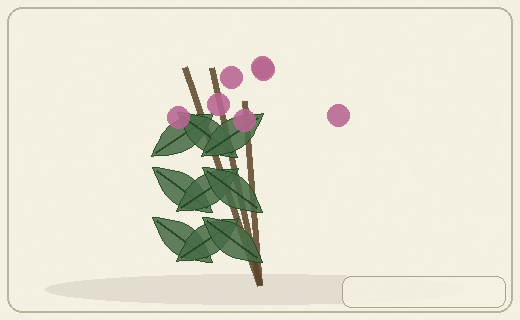
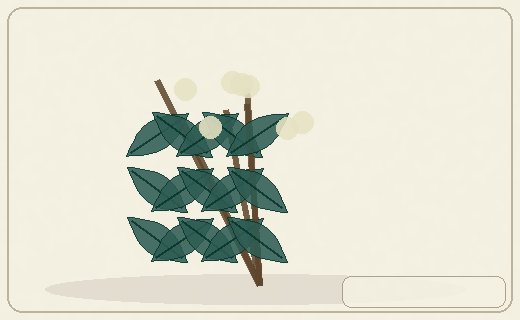
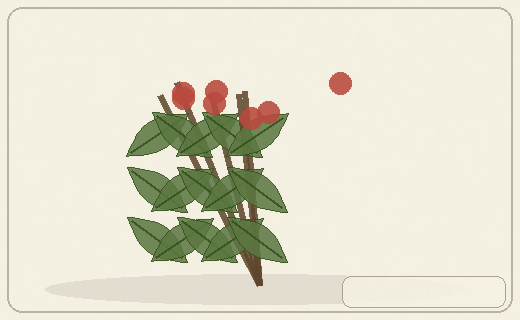
Stylized form diagram for Manuka / tea tree
Identify
Small stiff pointed aromatic leaves; white or pink five-petaled flowers; persistent woody capsules.
Habitat
New Zealand scrub, heath and forest edge.
Season
Year-round leaves; flowers spring-summer.
Field use
Hard wood for tools, pegs and fuel; leaves have documented beverage and external traditional use.
Caution
Strong infusions and essential oils are not safe casual medicine.
Look-alikes
Kanuka has softer narrow leaves and smaller clustered flowers.
toolspegsfuelmedicine

Southern beeches

Nothofagus spp.

Useful plants
Stylized form diagram for Southern beeches
Identify
Small alternate toothed leaves; tiny nuts in cupules; bark and leaf persistence vary by species.
Habitat
Patagonian, Andean and Australasian temperate forest.
Season
Wood year-round; leaves and nuts seasonal.
Field use
Dense wood for poles, pegs, handles and fuel; forest type helps read moisture and elevation.
Caution
Old trees may be protected and dead stems can be internally rotten. Nuts are too small to be a dependable food.
Look-alikes
Myrtle-family trees often have opposite leaves and aromatic oil dots.
polesfuelhandlespegs

Paperbarks

Melaleuca spp.

Useful plants
Stylized form diagram for Paperbarks
Identify
Papery layered bark; narrow oil-dotted leaves; cream bottlebrush flower spikes and woody capsules.
Habitat
Australian wetlands, monsoon forest, swamp and coast.
Season
Year-round bark and wood.
Field use
Loose outer bark is excellent tinder, wrapping and temporary waterproofing; wood makes poles and fuel; some species yield tea-tree oils.
Caution
Do not ring-bark living trees. Essential oils are concentrated and not for drinking.
Look-alikes
Eucalypts have gumnuts and different bark; bottlebrush Callistemon forms are related.
tinderwrappolesfuelmedicine

Dogwoods

Cornus spp.

Useful plants
Stylized form diagram for Dogwoods
Identify
Usually opposite branching; arcuate leaf veins curve toward the tip; clustered flowers and drupes.
Habitat
Forest edge, riparian thicket and mountain slope.
Season
Stems year-round; fruit varies by species.
Field use
Dense straight shoots make excellent arrow shafts, skewers and pegs.
Caution
Fruit edibility varies greatly; some species cause stomach upset. Use as material unless species is confirmed.
Look-alikes
Viburnums may have opposite leaves but different veins and buds.
arrow shaftpegsskewers

Land edibles

Terrestrial food species

Wild roses

Rosa spp.

Land-based edible plants
Stylized form diagram for Wild roses
Identify
Prickly stems; compound toothed leaves; five-petaled flowers; red to orange hips.
Habitat
Open woods, thickets, prairie, dunes and mountain slopes.
Season
Hips late summer through winter.
Field use
Fleshy hip walls are documented food after the irritating hairs and seeds are removed; good for simmering or drying.
Caution
Internal hairs irritate skin and mouth. Avoid sprayed or moldy fruit.
Look-alikes
Hawthorn has simple lobed leaves and woody thorns.
food fruitcordage

Stinging nettle

Urtica dioica

Land-based edible plants
Stylized form diagram for Stinging nettle
Identify
Opposite sharply toothed leaves; fibrous stems; translucent stinging hairs; green flower clusters.
Habitat
Rich disturbed soil, river terraces, old camps and forest openings.
Season
Young tops spring; fiber later.
Field use
Young tops are documented food after thorough cooking or drying; mature stems yield strong bast fiber.
Caution
Wear gloves; do not eat raw. Internal use can affect medicines and kidney conditions.
Look-alikes
Dead-nettles do not sting and have showier mint-family flowers.
food greencordagefiber

Wild onions and garlic

Allium spp.

Land-based edible plants
Stylized form diagram for Wild onions and garlic
Identify
Narrow leaves or hollow stems; spherical flower heads; clear onion or garlic odor in leaf and bulb.
Habitat
Meadows, rocky slopes, open woodland and stream terraces.
Season
Spring through fall.
Field use
Leaves, flowers and bulbs of positively identified Allium are documented food and seasoning.
Caution
Every sampled part must smell of onion, but odor is not the only test. Avoid unknown bulbs.
Look-alikes
Death camas lacks onion odor and can be fatal.
food greenfood bulb

Dandelion

Taraxacum officinale aggregate

Land-based edible plants
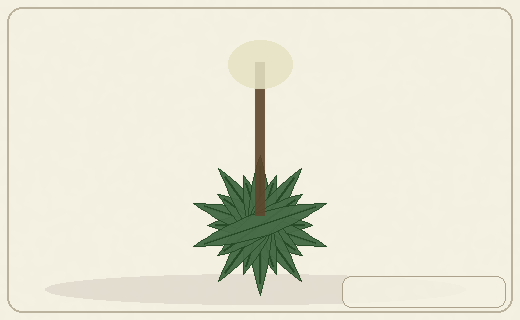
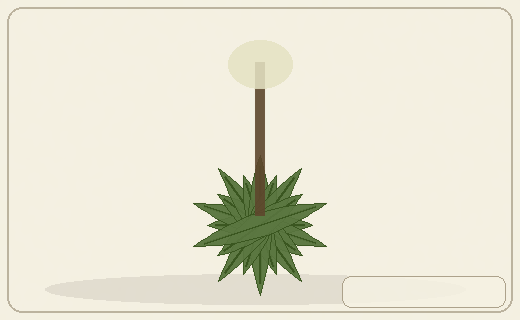
Stylized form diagram for Dandelion
Identify
Basal toothed leaves; hollow leafless stems with one yellow flower; milky sap; parachute seed head.
Habitat
Disturbed temperate ground, meadow and camp edge.
Season
Spring through fall.
Field use
Young leaves, flower heads and roasted roots have documented food use where uncontaminated.
Caution
Avoid sprayed lawns, roadsides and animal latrines; latex can irritate.
Look-alikes
Catsear has hairy leaves and branched flower stalks.
food greenfood roottinder

Broadleaf and ribwort plantains

Plantago major / P. lanceolata

Land-based edible plants
Stylized form diagram for Broadleaf and ribwort plantains
Identify
Basal rosette with strong parallel ribs; leafless spikes of tiny flowers and seeds.
Habitat
Trails, camps, meadows and disturbed soil.
Season
Spring through fall.
Field use
Young leaves and seeds are documented food; clean leaves have traditional external use on minor irritation.
Caution
Do not put dirty leaves on open wounds. Seeds swell with water and can obstruct if taken dry in quantity.
Look-alikes
Docks have netted veins; plantain ribs run from the base.
food greenmedicine

Aquatic edibles

Water-margin food species

Cattails

Typha spp.

Water and wetland edible plants
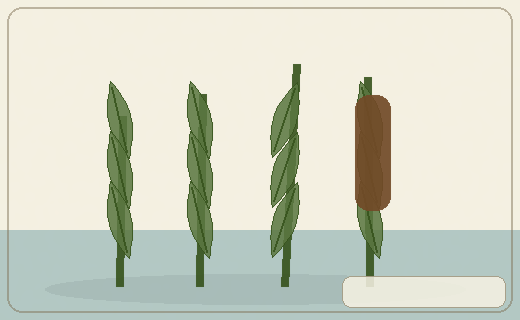
Stylized form diagram for Cattails
Identify
Tall flat strap leaves; dense brown cylindrical female flower spike below a narrower male section.
Habitat
Marshes, pond edges, slow channels and wet ditches.
Season
Shoots spring; pollen early summer; rhizomes year-round where lawful.
Field use
Documented food parts include young inner shoots, pollen and processed rhizome starch. Leaves make mats, baskets and thatch; seed down can bulk tinder.
Caution
Water can concentrate sewage, metals and parasites. Raw rhizome requires correct processing; avoid contaminated marshes.
Look-alikes
Yellow flag iris has sword leaves and showy flowers but no brown cattail head.
food shootfood starchbasketrythatchtinder

Watercress

Nasturtium officinale

Water and wetland edible plants
Stylized form diagram for Watercress
Identify
Creeping hollow stems; pinnate leaves with a larger rounded terminal leaflet; small white four-petaled flowers.
Habitat
Cold flowing springs and streams, often where nutrient-rich.
Season
Cool seasons.
Field use
Tender tops are documented food and are usually cooked in survival settings.
Caution
Raw watercress can carry liver flukes and sewage pathogens. Avoid downstream of livestock, roads or settlements.
Look-alikes
Water hemlock has divided leaves and umbrella flowers; never rely on habitat alone.
food green

Broad pondweeds

Potamogeton spp.

Water and wetland edible plants
Stylized form diagram for Broad pondweeds
Identify
Submerged or floating leaves with parallel veins; small flower spikes rise above water; flexible stems.
Habitat
Lakes, ponds and slow rivers across temperate and cold regions.
Season
Growing season.
Field use
Tubers, young shoots or seeds of some species have documented food use; beds shelter fish and invertebrates.
Caution
Species identification and water quality are essential. Avoid stagnant, cyanobacteria-rich or polluted water.
Look-alikes
Water smartweed has jointed stems and pink flower spikes.
food aquatic

Traditional-use

Documented traditional medicine

Kawakawa

Piper excelsum

Medicinal and traditional-use plants
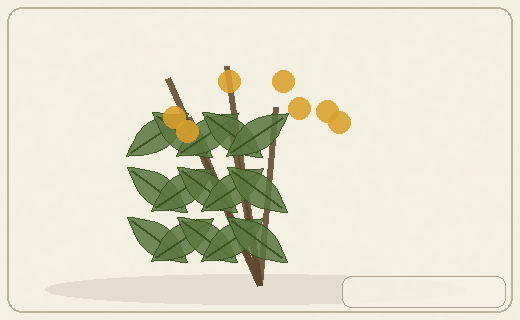
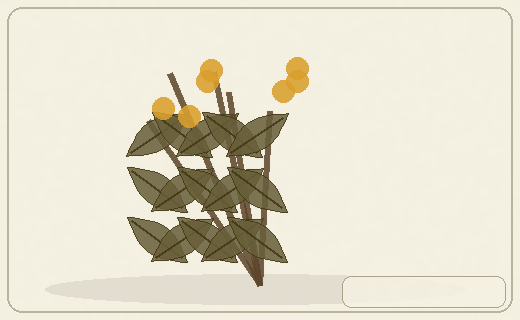
Stylized form diagram for Kawakawa
Identify
Heart-shaped leaves with visible veins and often insect holes; jointed stems; upright orange fruit spikes.
Habitat
New Zealand coastal and lowland forest.
Season
Leaves year-round; fruit seasonal.
Field use
Documented Māori traditional-use plant; ripe fruit and leaves have limited food/seasoning history.
Caution
Cultural authority and medical caution apply; no dosing. Avoid plants with disease or heavy contamination.
Look-alikes
Related Piper species do not naturally share all New Zealand habitats.
seasoningmedicine

Horopito / pepper tree

Pseudowintera colorata

Medicinal and traditional-use plants
Stylized form diagram for Horopito / pepper tree
Identify
Leathery oval leaves often blotched red beneath; peppery hot taste; small green-yellow flowers.
Habitat
New Zealand forest, shrubland and mountain margins.
Season
Leaves year-round.
Field use
Leaves have documented seasoning and Māori traditional-use history; dense twigs make pegs and fuel.
Caution
Strong pepper compounds irritate eyes and stomach; no field dosing.
Look-alikes
Kawakawa has heart-shaped leaves and jointed stems.
seasoningmedicinepegs

Koromiko

Veronica salicifolia complex

Medicinal and traditional-use plants
Stylized form diagram for Koromiko
Identify
Opposite narrow leaves and long spikes of small white to lilac flowers.
Habitat
New Zealand forest edge, river terrace and shrubland.
Season
Leaves year-round; flowers seasonal.
Field use
Documented Māori external and digestive traditional use; straight stems make light pegs and shafts.
Caution
No field dosing; species limits and chemistry vary.
Look-alikes
Introduced butterfly bush has opposite leaves but larger cone-like flower clusters.
medicinepegsarrow shaft

Poisonous look-alikes

Do not eat — verify before harvest

Tutu

Coriaria arborea

Poisonous plants
Stylized form diagram for Tutu
Identify
Opposite leaves on arching stems; hanging dark berry-like clusters; ribbed twigs.
Habitat
New Zealand riverbeds, scrub and forest edges.
Season
Fruit summer-fall.
Field use
No survival food use.
Caution
Seeds and other tissues contain potent neurotoxins and can cause seizures and death; insects may contaminate honey with toxins.
Look-alikes
Wineberry has alternate leaves and true raspberry-like fruit.
poison

Karaka

Corynocarpus laevigatus

Poisonous plants
Stylized form diagram for Karaka
Identify
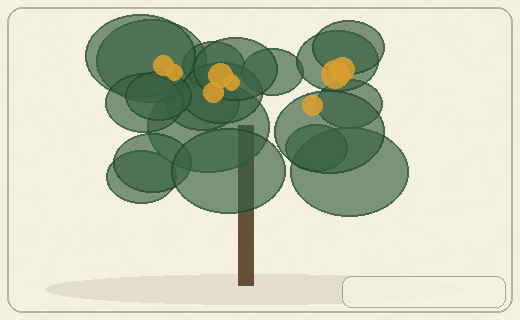
Glossy broad leaves; clusters of orange plum-like fruits with a large kernel.
Habitat
New Zealand coastal forest and old settlement sites.
Season
Fruit late summer-fall.
Field use
Flesh is thin; kernels were a major traditional food only after complex detoxification and repeated washing. Wood and leaves have technical use.
Caution
Raw kernels are dangerously toxic. Do not attempt survival processing without expert cultural instruction.
Look-alikes
Puriri and other orange fruits differ in leaf arrangement and seed count.
poison

Ngaio

Myoporum laetum

Poisonous plants
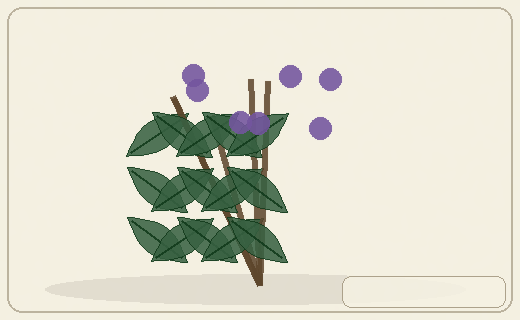
Stylized form diagram for Ngaio
Identify
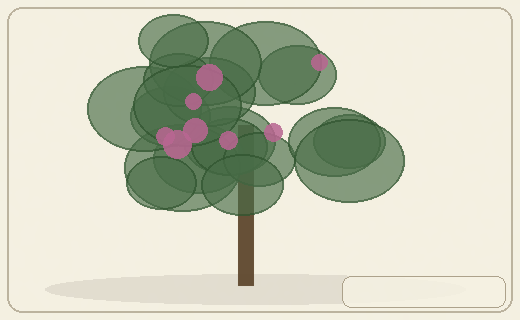
Narrow glossy leaves dotted with oil glands; small white-purple spotted flowers; purple drupes.
Habitat
New Zealand coast and lowland scrub.
Season
Year-round leaves; fruit seasonal.
Field use
Wood has limited technical use; no food or medicine use.
Caution
Foliage and fruit can be toxic, especially to livestock; smoke and sap should be treated cautiously.
Look-alikes
Karamu has opposite broader leaves and clustered berries.
poison

Foxglove

Digitalis purpurea

Poisonous plants
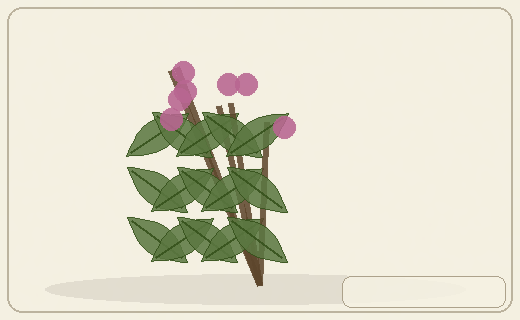
Stylized form diagram for Foxglove
Identify
Tall spike of purple, pink or white tubular flowers with spotted throats; soft wrinkled basal leaves.
Habitat
Roadsides, clearings, old farms and disturbed temperate ground.
Season
Late spring through summer.
Field use
No field medicinal use.
Caution
All parts contain potent cardiac glycosides and can cause life-threatening rhythm disturbances.
Look-alikes
First-year rosettes can resemble comfrey or mullein.
poison