
Skip to content

Global Regional Plant Guides

Mediterranean Woodland, Garrigue & Coast Plant Survival Guide

A comprehensive survival plant guide for Mediterranean Woodland, Garrigue & Coast, covering useful woody materials, land foods, aquatic foods, traditional-use plants and poisonous look-alikes.

Cover of Mediterranean Woodland, Garrigue & Coast Plant Survival Guide
Continent
Europe
USDA-equivalent zones
8-11
Köppen climate
Csa / Csb
Profiles
20
Regional biome
Evergreen woodland, scrub, dry slope, salt marsh and coast
Download PDF (17 pages)

Print-ready · US Letter · clickable sources

Useful plants · 5Land edibles · 5Aquatic edibles · 3Traditional-use · 3Poisonous look-alikes · 4

Useful plants

Wood, fibre, shelter and craft

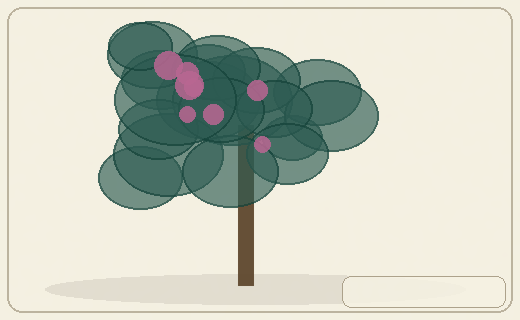
Holm oak

Quercus ilex
Useful plants
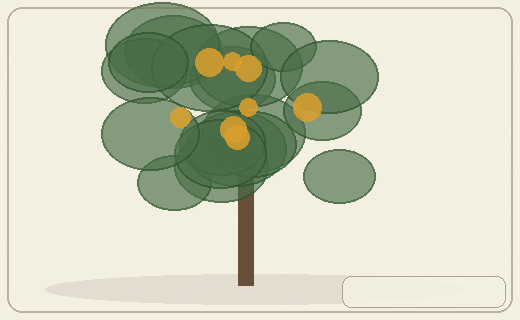
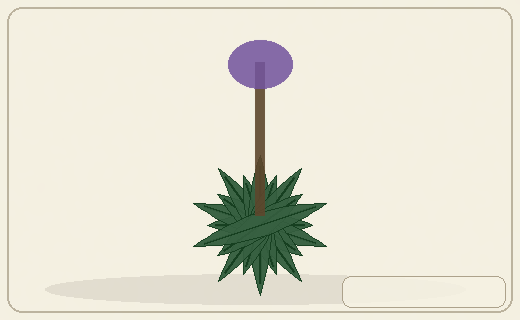
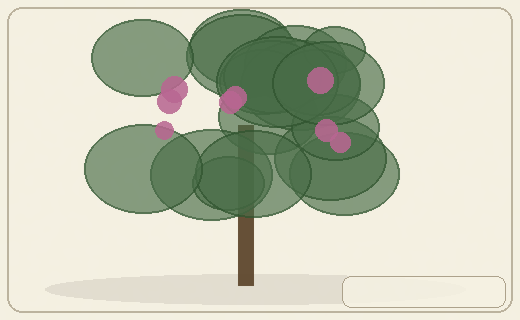
Stylized form diagram for Holm oak
Identify
Evergreen leathery leaves, often pale beneath and variably toothed; acorns in cups.
Habitat
Mediterranean woodland and rocky hills.
Season
Acorns autumn; wood year-round.
Field use
Dense bow and handle wood, durable coals and acorns after repeated leaching.
Caution
Raw acorns are high in tannins; mold and species variation matter.
Look-alikes
Kermes oak is shrubbier and usually more spiny-leaved.
bow woodhandlesfuelfood nut
Cork oak

Quercus suber

Useful plants
Stylized form diagram for Cork oak
Identify
Thick deeply fissured corky bark; leathery evergreen leaves; acorns.
Habitat
Western Mediterranean acidic soils and open woodland.
Season
Acorns autumn; wood year-round.
Field use
Fallen cork insulates containers and floats; wood and acorns serve the same uses as other oaks after processing.
Caution
Commercial bark harvest is skilled and regulated; do not cut living cork.
Look-alikes
Holm oak lacks the massively corky bark.
insulationfloatfuelfood nut

Wild olive

Olea europaea subsp. europaea var. sylvestris

Useful plants
Stylized form diagram for Wild olive
Identify
Opposite narrow leathery leaves, silvery beneath; small white flowers; purple-black drupes.
Habitat
Mediterranean scrub, rocky slopes and dry woodland.
Season
Fruit autumn; wood year-round.
Field use
Dense hard wood for pegs, handles and friction-fire spindles; fruit becomes food only after controlled curing.
Caution
Raw fruit is intensely bitter; curing requires salt/water and hygiene. Do not improvise medicinal leaf extracts.
Look-alikes
Privet has broader leaves and clustered black berries.
handlesbow drill spindlefood fruit

Aleppo pine

Pinus halepensis

Useful plants
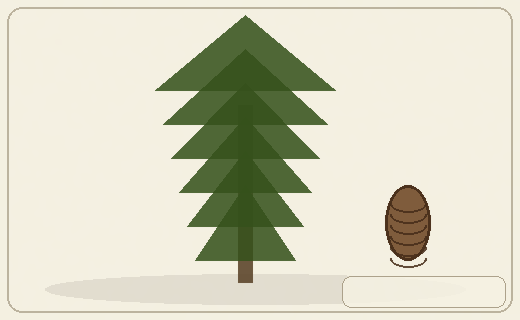
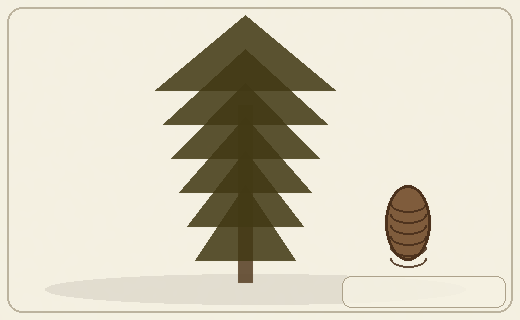
Stylized form diagram for Aleppo pine
Identify
Two slender needles per bundle; open irregular crown; cones often persist for years.
Habitat
Mediterranean dry slopes, coast and fire-prone scrub.
Season
Year-round.
Field use
Resinous kindling, poles, fuel and pitch-rich shavings; inner cone seeds are edible but small.
Caution
High fire risk and resinous smoke; do not damage living trees for pitch.
Look-alikes
Stone pine has larger umbrella crown and much larger edible seeds.
polesfueltinderfood seed

Common reed

Phragmites australis

Useful plants
Stylized form diagram for Common reed
Identify
Tall jointed canes; broad leaves with rough margins; large feathery purple-tan panicles.
Habitat
Marshes, riverbanks, lake edges and brackish wetlands worldwide.
Season
Canes year-round; young shoots spring.
Field use
Dry canes make arrow shafts, fish spears, mats, thatch, containers and friction-fire spindles; young shoots have limited documented food use.
Caution
Invasive populations may be chemically treated. Cut cane edges are sharp; food use is excluded where water quality is uncertain.
Look-alikes
Giant reed is stouter; reed canary grass has a smaller seed head.
arrow shaftbow drill spindlethatchbasketrycontainer

Land edibles

Terrestrial food species

Carob

Ceratonia siliqua

Land-based edible plants
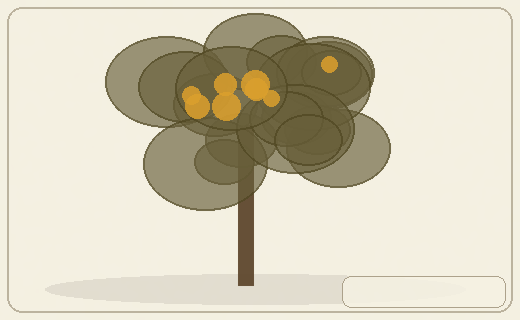
Stylized form diagram for Carob
Identify
Leathery paired leaflets; thick dark brown flattened pods with hard seeds.
Habitat
Mediterranean woodland, rocky slopes and dry farms.
Season
Pods late summer-fall; wood year-round.
Field use
Mature pods are documented sweet food after removing hard seeds; dense wood makes handles and fuel.
Caution
Moldy pods are unsafe; seeds are hard enough to damage teeth.
Look-alikes
Honey locust pods are longer and the tree has large branched thorns.
food podhandlesfuel

Stone pine

Pinus pinea

Land-based edible plants
Stylized form diagram for Stone pine
Identify
Umbrella-shaped mature crown; two long needles per bundle; large rounded cones with large seeds.
Habitat
Mediterranean sandy soils and open woodland.
Season
Pine nuts autumn-winter; wood year-round.
Field use
Pine nuts are high-energy food; wood and resin serve fuel and repair uses.
Caution
Cones are heavy and may fall; collection can be regulated.
Look-alikes
Aleppo pine has smaller cones and a less regular crown.
food seedfuelresin

Common mallows

Malva spp.

Land-based edible plants
Stylized form diagram for Common mallows
Identify
Round palmately veined leaves; five-petaled pink to lavender flowers; wheel-shaped segmented fruits.
Habitat
Disturbed ground, field edges and Mediterranean-type regions.
Season
Cool to warm growing season.
Field use
Young leaves and immature fruits are documented cooked foods; mucilage thickens soups.
Caution
Avoid roadside contamination and rust-infected leaves.
Look-alikes
Hollyhock and hibiscus relatives share similar flowers; some are not equally palatable.
food greenthickener

Wild fennel

Foeniculum vulgare

Land-based edible plants
Stylized form diagram for Wild fennel
Identify
Tall aromatic hollow stems; threadlike leaves; yellow umbrella flower clusters; anise odor.
Habitat
Mediterranean scrub, roadsides and disturbed warm regions.
Season
Leaves spring; seeds summer-fall.
Field use
Leaves and seeds are documented seasoning and food.
Caution
Do not use smell alone: poisonous Apiaceae may grow nearby. Concentrated fennel oil is not field medicine.
Look-alikes
Poison hemlock has broader divided leaves and often purple-spotted stems.
food greenseasoning

Rock samphire / sea fennel

Crithmum maritimum

Land-based edible plants
Stylized form diagram for Rock samphire / sea fennel
Identify
Fleshy divided blue-green leaves; yellow-green umbels; aromatic salty taste.
Habitat
Rocky Mediterranean and Atlantic coasts above the spray line.
Season
Spring through fall.
Field use
Young leaves are a documented cooked or pickled food.
Caution
Avoid polluted coasts and never identify an Apiaceae solely by habitat or odor.
Look-alikes
Poison hemlock is taller and grows inland or in damp disturbed ground.
food green

Aquatic edibles

Water-margin food species

Glassworts

Salicornia spp.

Water and wetland edible plants
Stylized form diagram for Glassworts
Identify
Leafless-looking jointed succulent stems; green turning red; tiny flowers embedded in segments.
Habitat
Salt marshes, saline lake margins and tidal flats worldwide.
Season
Young shoots spring-summer.
Field use
Tender tips are documented cooked greens and salt seasoning.
Caution
Very salty; use small portions and avoid sewage-contaminated marshes.
Look-alikes
Other succulent chenopods differ in branching and fruit; none should be eaten from polluted sites.
food green

Cattails

Typha spp.

Water and wetland edible plants
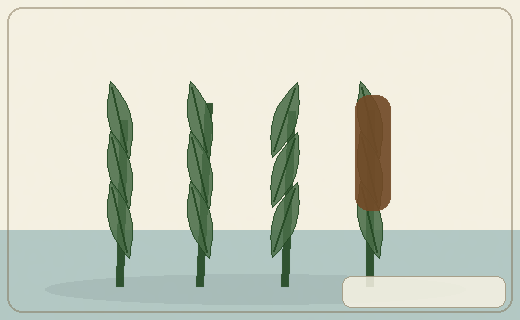
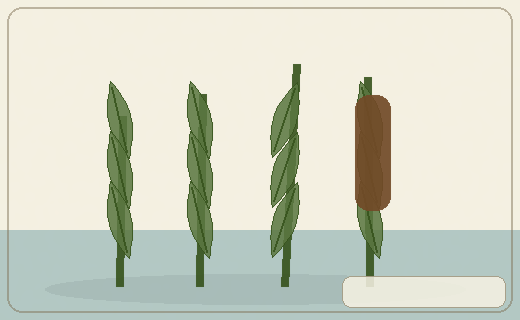
Stylized form diagram for Cattails
Identify
Tall flat strap leaves; dense brown cylindrical female flower spike below a narrower male section.
Habitat
Marshes, pond edges, slow channels and wet ditches.
Season
Shoots spring; pollen early summer; rhizomes year-round where lawful.
Field use
Documented food parts include young inner shoots, pollen and processed rhizome starch. Leaves make mats, baskets and thatch; seed down can bulk tinder.
Caution
Water can concentrate sewage, metals and parasites. Raw rhizome requires correct processing; avoid contaminated marshes.
Look-alikes
Yellow flag iris has sword leaves and showy flowers but no brown cattail head.
food shootfood starchbasketrythatchtinder

Bulrushes

Schoenoplectus spp.

Water and wetland edible plants
Stylized form diagram for Bulrushes
Identify
Round or triangular mostly leafless stems; small brown flower clusters near stem tips.
Habitat
Freshwater and brackish marshes, pond edges and slow rivers.
Season
Young shoots spring; rhizomes and stems longer.
Field use
Rhizomes and young shoots have documented food use after correct species identification; stems make mats, cordage and basket frames.
Caution
Wetland contamination is a major risk. Several sedges are difficult to separate.
Look-alikes
Cattails have broad flat leaves and a brown cylinder.
food shootfood starchbasketrycordage

Traditional-use

Documented traditional medicine

Rosemary

Salvia rosmarinus

Medicinal and traditional-use plants
Stylized form diagram for Rosemary
Identify
Narrow aromatic opposite leaves rolled under, pale beneath; blue two-lipped flowers.
Habitat
Mediterranean scrub, rocky slopes and cultivated escapes.
Season
Year-round leaves; flowers winter-spring.
Field use
Documented seasoning and traditional aromatic use; dry stems make fragrant kindling.
Caution
Essential oil is concentrated and unsafe to ingest in survival dosing; avoid confusion with toxic ornamental shrubs.
Look-alikes
Lavenders have softer gray leaves and flower spikes.
seasoningmedicinekindling

Thymes

Thymus spp.

Medicinal and traditional-use plants
Stylized form diagram for Thymes
Identify
Low aromatic opposite-leaved shrub; tiny leaves; pink-purple two-lipped flower clusters.
Habitat
Dry Mediterranean, steppe and mountain grassland.
Season
Leaves and flowers growing season.
Field use
Documented seasoning and traditional aromatic use; dry stems aid tinder bundles.
Caution
Species vary and essential oils can irritate. Use modest food amounts only.
Look-alikes
Savory and other mint relatives have similar small leaves.
seasoningmedicinetinder

Yarrow

Achillea millefolium

Medicinal and traditional-use plants
Stylized form diagram for Yarrow
Identify
Aromatic finely divided leaves; flat clusters of small white to pink flower heads.
Habitat
Dry openings, trails, grassland, shore gravel and disturbed soil.
Season
Summer through fall.
Field use
Documented traditional external uses include washes and aromatic preparations; dry flower heads make light tinder.
Caution
Possible allergy, pregnancy and anticoagulant concerns. Not a substitute for wound cleaning or medical care.
Look-alikes
Poison hemlock is much taller with hollow purple-spotted stems and true umbels.
medicinetinder

Poisonous look-alikes

Do not eat — verify before harvest

Oleander

Nerium oleander

Poisonous plants
Stylized form diagram for Oleander
Identify
Evergreen shrub with narrow leathery leaves in pairs or whorls and pink, white or red five-petaled flowers.
Habitat
Mediterranean and arid-region waterways, wadis and planted settlements.
Season
Year-round foliage.
Field use
No use.
Caution
All parts contain potent cardiac glycosides; smoke, skewers and contaminated water can be dangerous.
Look-alikes
Yellow oleander has different fruit but similar cardiac toxicity.
poison

Mandrake

Mandragora officinarum

Poisonous plants
Stylized form diagram for Mandrake
Identify
Low rosette of broad wrinkled leaves; violet flowers; yellow-orange berry; thick forked root.
Habitat
Mediterranean rocky ground and old fields.
Season
Cool season to spring.
Field use
No field medicinal or food use.
Caution
Contains tropane alkaloids; root and fruit can cause severe anticholinergic poisoning.
Look-alikes
Edible nightshades have different flowers and cultivated forms.
poison

Sea squill

Drimia maritima

Poisonous plants
Stylized form diagram for Sea squill
Identify
Huge above-ground bulb; broad leaves in winter-spring; tall flower spike after leaves die back.
Habitat
Mediterranean rocky coast and dry slopes.
Season
Leaves cool season; flowers late summer.
Field use
No food use.
Caution
Bulb contains cardiac glycosides and remains toxic after drying.
Look-alikes
Edible onions have onion odor and smaller bulbs.
poison

Daturas / thorn apples

Datura spp.

Poisonous plants
Stylized form diagram for Daturas / thorn apples
Identify
Large foul-smelling leaves; upright trumpet flowers; spiny egg-shaped capsules.
Habitat
Disturbed warm ground, dry riverbeds and fields worldwide.
Season
Summer-fall.
Field use
No use.
Caution
All parts contain dangerous tropane alkaloids causing delirium, overheating, seizures and death.
Look-alikes
Brugmansia has hanging trumpets on woody shrubs and is also toxic.
poison