
Skip to content

Global Regional Plant Guides

Kalahari-Namib Semi-Desert & Thornveld Plant Survival Guide

A comprehensive survival plant guide for Kalahari-Namib Semi-Desert & Thornveld, covering useful woody materials, land foods, aquatic foods, traditional-use plants and poisonous look-alikes.

Cover of Kalahari-Namib Semi-Desert & Thornveld Plant Survival Guide
Continent
Africa
USDA-equivalent zones
9-13
Köppen climate
BWh / BWk / BSh
Profiles
20
Regional biome
Dune, gravel plain, dry river, thornveld and salt pan
Download PDF (17 pages)

Print-ready · US Letter · clickable sources

Useful plants · 5Land edibles · 5Aquatic edibles · 3Traditional-use · 3Poisonous look-alikes · 4

Useful plants

Wood, fibre, shelter and craft

Arid acacias

Vachellia / Senegalia spp.
Useful plants
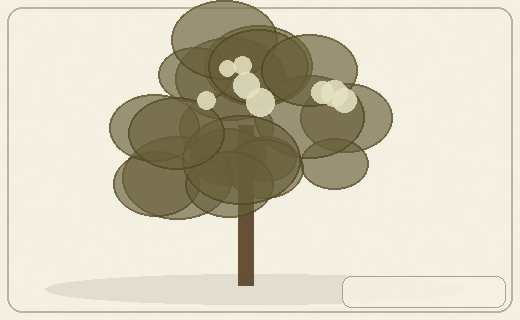
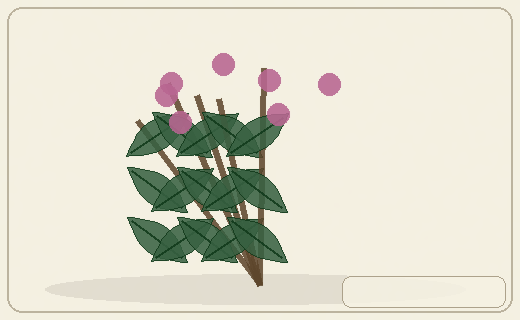
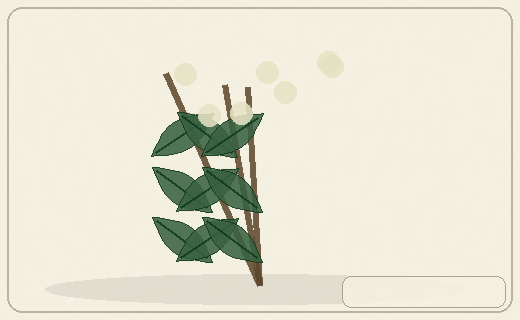
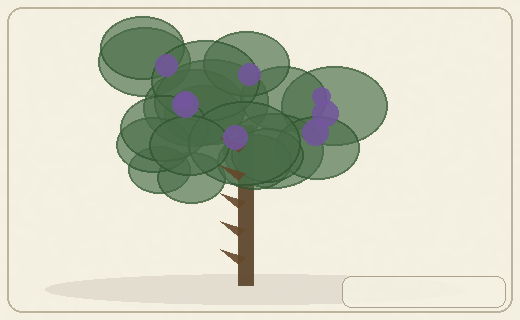
Stylized form diagram for Arid acacias
Identify
Feathery compound leaves; paired or hooked thorns; yellow or white puffball flowers; pods.
Habitat
African, Arabian and Australian savannas, dry rivers and deserts.
Season
Wood year-round; gum and pods seasonal.
Field use
Dense wood for bows, handles, stakes and hot coals; gums of selected species have documented food or adhesive use.
Caution
Species vary in cyanogenic chemistry and pod edibility. Thorns cause deep punctures.
Look-alikes
Prosopis/mesquite and other mimosoid legumes require pod and thorn comparison.
bow woodhandlesfueladhesive
Wild raisins / Grewia

Grewia spp.

Useful plants
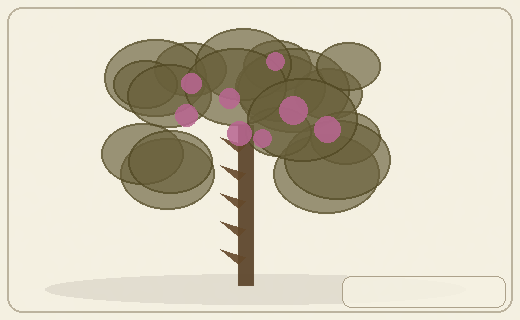
Stylized form diagram for Wild raisins / Grewia
Identify
Rough toothed leaves; small star-like flowers; lobed orange, red or brown drupes.
Habitat
African savanna, dry woodland and scrub.
Season
Fruit seasonal; stems year-round.
Field use
Ripe fruits of selected species are documented food; straight stems provide arrow shafts, bows, cordage bark and tool handles.
Caution
Species vary. Confirm fruit and leaf traits; thorny thickets can conceal snakes.
Look-alikes
Ziziphus has paired thorns and three-veined leaves.
food fruitarrow shaftbow woodcordage

African baobab

Adansonia digitata

Useful plants
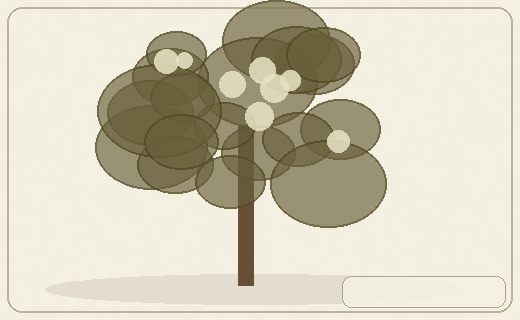
Stylized form diagram for African baobab
Identify
Massive bottle-shaped trunk; palmate leaves; large hanging velvety fruits with dry powdery pulp.
Habitat
African savanna, dry woodland and village parkland.
Season
Fruit dry season; leaves wet season; fiber year-round.
Field use
Fruit pulp and young leaves are documented food; bark fiber has cordage use; hollow or fallen wood can support containers and tinder.
Caution
Do not strip living bark without local authority. Seeds and leaves require normal food preparation.
Look-alikes
Other baobab species occur in Madagascar and Australia.
food fruitfood greencordagecontainer

Tamarisks

Tamarix spp.

Useful plants
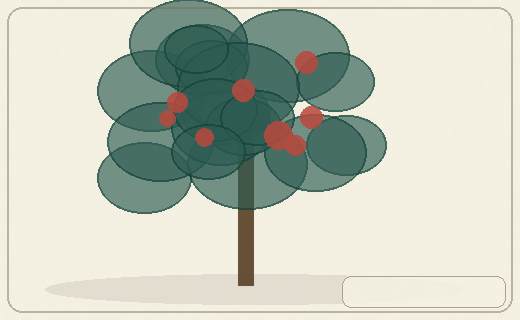
Stylized form diagram for Tamarisks
Identify
Fine scale-like leaves on feathery twigs; pink flower sprays; salt often crystallizes on foliage.
Habitat
Desert rivers, salt flats, oases and coasts.
Season
Wood year-round; flowers seasonal.
Field use
Flexible twigs for wattle, brush shelters and small fuel; dry stems tolerate saline sites.
Caution
Not a food. Invasive in many regions; salty smoke and treated control sites are concerns.
Look-alikes
Casuarina has jointed needle-like branchlets and cone-like fruits.
wattlefuelbrush

Jujubes

Ziziphus spp.

Useful plants
Stylized form diagram for Jujubes
Identify
Zigzag twigs with paired straight and hooked thorns; three-veined leaves; small drupes.
Habitat
Dry Africa, Asia and Mediterranean-type scrub.
Season
Fruit summer-fall; wood year-round.
Field use
Ripe fruits of confirmed species are documented food; hard wood makes tool handles, pegs and small bows.
Caution
Unripe fruit can be astringent; thorn injuries are common. Species vary.
Look-alikes
Christ’s-thorn and buffalo-thorn relatives require local confirmation.
food fruitbow woodhandlespegs

Land edibles

Terrestrial food species

Marula

Sclerocarya birrea

Land-based edible plants
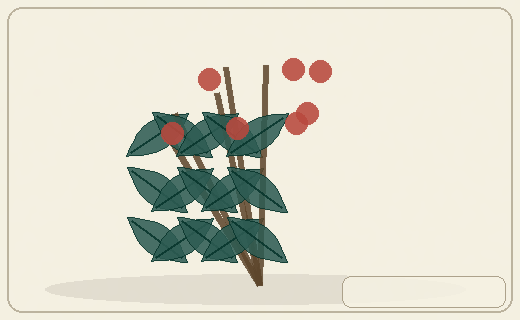
Stylized form diagram for Marula
Identify
Compound leaves clustered near twig tips; gray mottled bark; plum-sized yellow fruit with hard stone.
Habitat
African savanna and dry woodland.
Season
Fruit wet-season to late summer depending region.
Field use
Ripe fruit and seed kernels are documented food; wood carves easily for bowls and tools.
Caution
Fermenting fallen fruit attracts animals and insects. Kernel extraction needs tools and nut allergy applies.
Look-alikes
Searsia species have smaller clustered fruits and often three leaflets.
food fruitfood nutcarving

Monkey oranges

Strychnos cocculoides / S. spinosa

Land-based edible plants
Stylized form diagram for Monkey oranges
Identify
Opposite leaves with strong curved veins; hard round yellow-orange fruit with many seeds in pulp.
Habitat
African savanna and dry woodland.
Season
Fruit dry to early wet season.
Field use
Fully ripe fruit of confirmed edible species is documented food; hard wood can make pegs and tools.
Caution
The genus includes highly toxic species. Never generalize from fruit shape or name.
Look-alikes
Toxic Strychnos species can look similar without expert regional knowledge.
food fruitpegs

Saltbushes

Atriplex spp.

Land-based edible plants
Stylized form diagram for Saltbushes
Identify
Gray or mealy alternate leaves; inconspicuous flowers; often salt-tolerant and sprawling.
Habitat
Deserts, salt flats, coasts and disturbed dry ground.
Season
Leaves most of year.
Field use
Leaves of selected species are documented cooked greens; stems can fuel small fires and brush shelters.
Caution
High salt and oxalate content makes this a small-portion food, especially when dehydrated or kidney-impaired.
Look-alikes
Many gray desert shrubs resemble saltbush; fruiting bracts help confirm.
food greenfuelbrush

Common purslane

Portulaca oleracea

Land-based edible plants
Stylized form diagram for Common purslane
Identify
Low reddish succulent stems; smooth fleshy leaves; tiny yellow flowers; clear sap.
Habitat
Disturbed warm ground, gardens, river deposits and camp edges worldwide.
Season
Warm growing season.
Field use
Young leaves and stems are documented food and water-rich greens.
Caution
High oxalate content; avoid large amounts with kidney disease and avoid contaminated ground.
Look-alikes
Spurges often exude milky sap and are unsafe.
food green

Prickly pears

Opuntia spp.

Land-based edible plants
Stylized form diagram for Prickly pears
Identify
Flattened pads with clusters of fine glochids and often spines; showy flowers; fleshy fruits.
Habitat
Dry Americas, disturbed warm regions and some Mediterranean/African landscapes.
Season
Fruit summer-fall; young pads seasonal.
Field use
Ripe fruit and properly de-spined young pads of confirmed species are documented foods; dry woody joints can support fuel.
Caution
Invisible glochids embed in skin, eyes and mouth. Some fruits are insipid or seedy; avoid sprayed invasive stands.
Look-alikes
Chollas have cylindrical joints.
food fruitfood padfuel

Aquatic edibles

Water-margin food species

Cattails

Typha spp.

Water and wetland edible plants
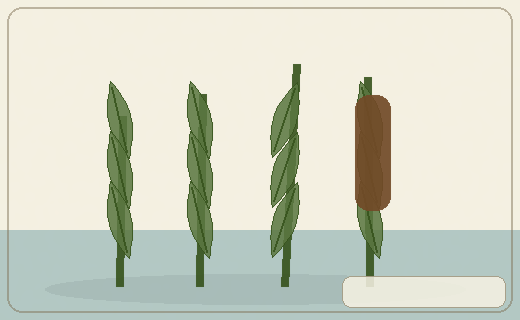
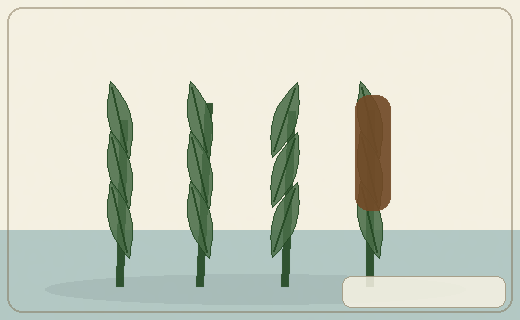
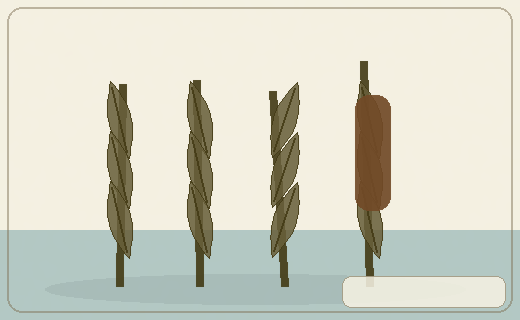
Stylized form diagram for Cattails
Identify
Tall flat strap leaves; dense brown cylindrical female flower spike below a narrower male section.
Habitat
Marshes, pond edges, slow channels and wet ditches.
Season
Shoots spring; pollen early summer; rhizomes year-round where lawful.
Field use
Documented food parts include young inner shoots, pollen and processed rhizome starch. Leaves make mats, baskets and thatch; seed down can bulk tinder.
Caution
Water can concentrate sewage, metals and parasites. Raw rhizome requires correct processing; avoid contaminated marshes.
Look-alikes
Yellow flag iris has sword leaves and showy flowers but no brown cattail head.
food shootfood starchbasketrythatchtinder

Common reed

Phragmites australis

Water and wetland edible plants
Stylized form diagram for Common reed
Identify
Tall jointed canes; broad leaves with rough margins; large feathery purple-tan panicles.
Habitat
Marshes, riverbanks, lake edges and brackish wetlands worldwide.
Season
Canes year-round; young shoots spring.
Field use
Dry canes make arrow shafts, fish spears, mats, thatch, containers and friction-fire spindles; young shoots have limited documented food use.
Caution
Invasive populations may be chemically treated. Cut cane edges are sharp; food use is excluded where water quality is uncertain.
Look-alikes
Giant reed is stouter; reed canary grass has a smaller seed head.
arrow shaftbow drill spindlethatchbasketrycontainer

Bulrushes

Schoenoplectus spp.

Water and wetland edible plants
Stylized form diagram for Bulrushes
Identify
Round or triangular mostly leafless stems; small brown flower clusters near stem tips.
Habitat
Freshwater and brackish marshes, pond edges and slow rivers.
Season
Young shoots spring; rhizomes and stems longer.
Field use
Rhizomes and young shoots have documented food use after correct species identification; stems make mats, cordage and basket frames.
Caution
Wetland contamination is a major risk. Several sedges are difficult to separate.
Look-alikes
Cattails have broad flat leaves and a brown cylinder.
food shootfood starchbasketrycordage

Traditional-use

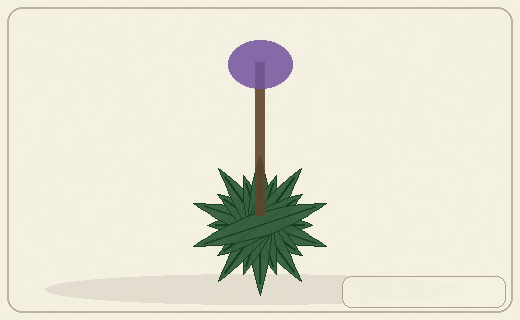
Documented traditional medicine

African aloes

Aloe spp.

Medicinal and traditional-use plants
Stylized form diagram for African aloes
Identify
Fleshy rosette leaves with toothed margins and spikes of tubular red, orange or yellow flowers.
Habitat
African drylands, rocky slopes and fynbos.
Season
Leaves year-round; flowers seasonal.
Field use
Clear inner gel of a few correctly identified species has documented external soothing use; dry stalks are tinder.
Caution
Yellow latex under the rind is a strong laxative and can be dangerous. Species vary; do not eat aloe in the field.
Look-alikes
Agaves are New World plants with fibrous leaves and different flowers.
medicinetinder

African wormwood

Artemisia afra

Medicinal and traditional-use plants
Stylized form diagram for African wormwood
Identify
Gray-green aromatic finely divided leaves; small inconspicuous flower heads; woody base.
Habitat
African highlands, grassland and disturbed mountain slopes.
Season
Growing season.
Field use
Widely documented traditional aromatic and respiratory use; dry stems support tinder.
Caution
No survival dosing. Concentrated oils and teas can be toxic, especially in pregnancy or seizure disorders.
Look-alikes
Other Artemisia species and unrelated gray shrubs resemble it.
medicinetinder

Yarrow

Achillea millefolium

Medicinal and traditional-use plants
Stylized form diagram for Yarrow
Identify
Aromatic finely divided leaves; flat clusters of small white to pink flower heads.
Habitat
Dry openings, trails, grassland, shore gravel and disturbed soil.
Season
Summer through fall.
Field use
Documented traditional external uses include washes and aromatic preparations; dry flower heads make light tinder.
Caution
Possible allergy, pregnancy and anticoagulant concerns. Not a substitute for wound cleaning or medical care.
Look-alikes
Poison hemlock is much taller with hollow purple-spotted stems and true umbels.
medicinetinder

Poisonous look-alikes

Do not eat — verify before harvest

Tree euphorbias

Euphorbia spp.

Poisonous plants
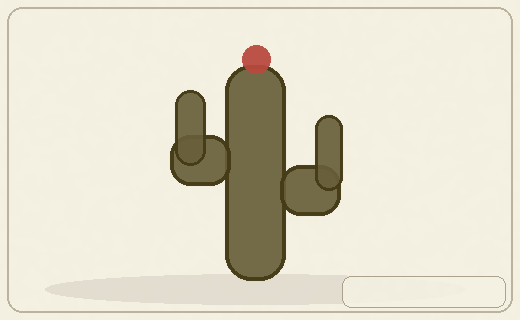
Stylized form diagram for Tree euphorbias
Identify
Candelabra or shrub form; milky latex; paired spines in many species; tiny flowers in specialized cups.
Habitat
African drylands, tropical scrub and disturbed ground.
Season
Year-round.
Field use
No food use; dry dead wood is not recommended for cooking fires.
Caution
Latex can cause severe burns, blindness and vomiting; smoke is irritating.
Look-alikes
Cacti lack milky latex and are native to the Americas.
poison

Desert rose

Adenium obesum

Poisonous plants
Stylized form diagram for Desert rose
Identify
Swollen succulent trunk, leathery leaves near branch tips and large pink-red trumpet flowers; milky sap.
Habitat
East African and Arabian dry bushland and rocky slopes.
Season
Year-round stems; flowers seasonal.
Field use
No food use.
Caution
Milky sap contains cardiac glycosides and has been used as arrow poison. Avoid skin, eye and wound contact.
Look-alikes
Plumeria has milky sap and flowers but lacks the swollen caudex.
poison

Castor bean

Ricinus communis

Poisonous plants
Stylized form diagram for Castor bean
Identify
Large star-shaped palmately lobed leaves; spiny capsules; glossy mottled seeds.
Habitat
Warm disturbed ground, riverbanks and tropical/subtropical waste areas.
Season
Growing season; seeds seasonal.
Field use
No survival food or medicine use. Oil extraction is industrial, not a field process.
Caution
Chewed seeds can release ricin and cause severe or fatal poisoning.
Look-alikes
Jatropha has similar lobed leaves but different fruit; it is also toxic.
poison

Daturas / thorn apples

Datura spp.

Poisonous plants
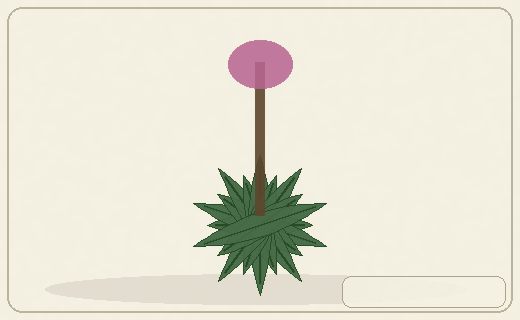
Stylized form diagram for Daturas / thorn apples
Identify
Large foul-smelling leaves; upright trumpet flowers; spiny egg-shaped capsules.
Habitat
Disturbed warm ground, dry riverbeds and fields worldwide.
Season
Summer-fall.
Field use
No use.
Caution
All parts contain dangerous tropane alkaloids causing delirium, overheating, seizures and death.
Look-alikes
Brugmansia has hanging trumpets on woody shrubs and is also toxic.
poison