
Skip to content

Global Regional Plant Guides

Great Plains Prairie & Parkland Plant Survival Guide

A comprehensive survival plant guide for Great Plains Prairie & Parkland, covering useful woody materials, land foods, aquatic foods, traditional-use plants and poisonous look-alikes.

Cover of Great Plains Prairie & Parkland Plant Survival Guide
Continent
North America
USDA-equivalent zones
3-7
Köppen climate
Dfa / Dfb / BSk
Profiles
20
Regional biome
Tallgrass, mixed-grass, shortgrass and riparian woodland
Download PDF (17 pages)

Print-ready · US Letter · clickable sources

Useful plants · 5Land edibles · 5Aquatic edibles · 3Traditional-use · 3Poisonous look-alikes · 4

Useful plants

Wood, fibre, shelter and craft

Osage orange

Maclura pomifera
Useful plants
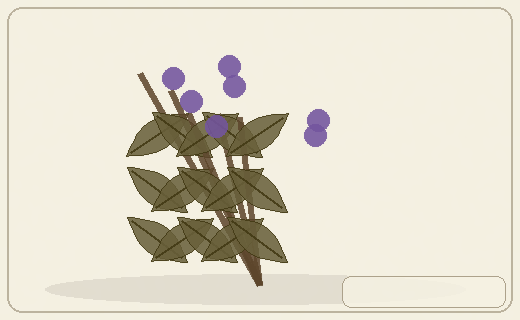
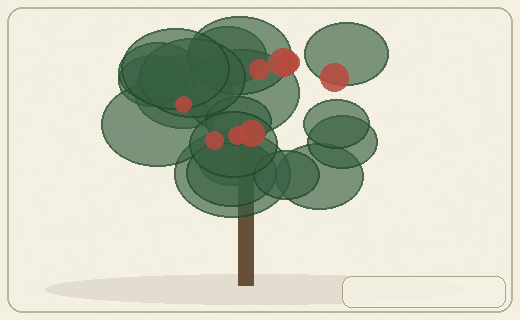
Stylized form diagram for Osage orange
Identify
Thorny twigs; glossy alternate leaves; large green wrinkled multiple fruits; orange heartwood.
Habitat
Prairie margins, hedgerows and disturbed central North America.
Season
Wood year-round; fruit fall.
Field use
One of the best bow woods; durable posts, wedges and high-heat fuel.
Caution
Milky sap irritates skin; large fruit is not a dependable human food. Thorns puncture tires and skin.
Look-alikes
Mulberry lacks paired thorns and has edible aggregate fruit.
bow woodstakesfuelwedges
Ashes

Fraxinus spp.

Useful plants
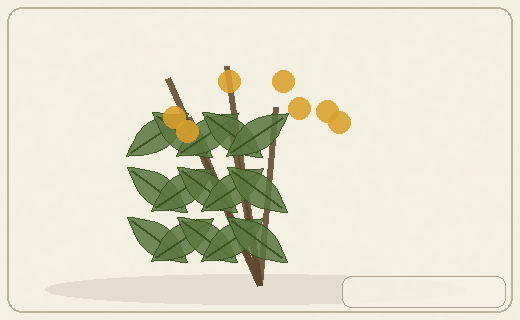
Stylized form diagram for Ashes
Identify
Opposite branching; compound leaves; one-seeded winged keys in clusters.
Habitat
Temperate hardwood forest, floodplain and woodland edge.
Season
Wood year-round; leaves growing season.
Field use
Elastic, shock-resistant wood for bows, spear shafts, wedges, handles and snowshoe frames.
Caution
Emerald ash borer and conservation rules may restrict cutting. Confirm opposite branching.
Look-alikes
Boxelder has opposite compound leaves but maple-type paired keys.
bow woodarrow shafthandleswedges

Willows

Salix spp.

Useful plants
Stylized form diagram for Willows
Identify
Alternate narrow to oval leaves; flexible twigs; catkins; many species root along wet ground.
Habitat
Riverbanks, lake margins, floodplains, tundra valleys and moist forest.
Season
Twigs year-round; leaves and catkins in the growing season.
Field use
Flexible rods for baskets, fish traps, wattle, arrow shafts and repair splints. Dry punky willow and softer species can serve bow-drill hearth boards; denser pieces make spindles. Bark has documented salicylate-related traditional use.
Caution
Species identification is difficult. Do not self-dose bark with aspirin allergy, bleeding risk, kidney disease, pregnancy, or in children with viral illness.
Look-alikes
Alders have cone-like female catkins; some dogwoods have opposite leaves.
arrow shaftbow drill boardbasketrycordagemedicine

Dogwoods

Cornus spp.

Useful plants
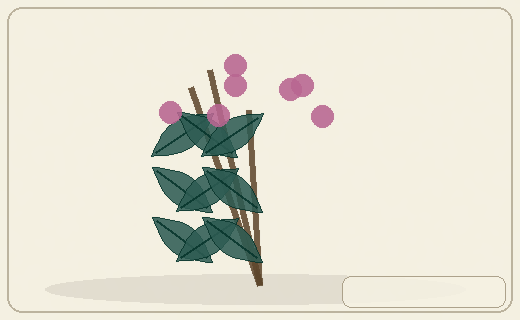
Stylized form diagram for Dogwoods
Identify
Usually opposite branching; arcuate leaf veins curve toward the tip; clustered flowers and drupes.
Habitat
Forest edge, riparian thicket and mountain slope.
Season
Stems year-round; fruit varies by species.
Field use
Dense straight shoots make excellent arrow shafts, skewers and pegs.
Caution
Fruit edibility varies greatly; some species cause stomach upset. Use as material unless species is confirmed.
Look-alikes
Viburnums may have opposite leaves but different veins and buds.
arrow shaftpegsskewers

Yuccas

Yucca spp.

Useful plants
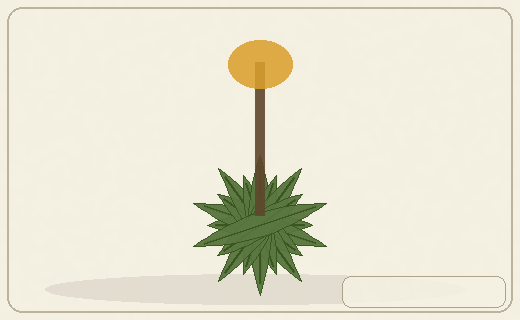
Stylized form diagram for Yuccas
Identify
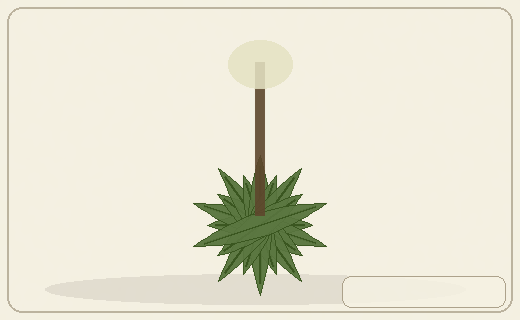
Stiff sword leaves in a rosette, often with fibrous margins; tall stalk of cream bell flowers.
Habitat
Deserts, prairies and dry rocky slopes of the Americas.
Season
Flowers and young stalks seasonal; leaves year-round.
Field use
Leaf fibers make strong cordage; dry flower stalks are classic bow-drill spindles and tinder; flowers or fruit of some species are documented foods.
Caution
Edibility varies by species and plant part. Roots called “soaproot” are not the cassava food. Sharp leaf tips injure eyes.
Look-alikes
Agaves have thicker succulent leaves and usually a single massive flowering event.
cordagebow drill spindletinderfood flower

Land edibles

Terrestrial food species

Prairie turnip

Pediomelum esculentum

Land-based edible plants
Stylized form diagram for Prairie turnip
Identify
Palmately divided leaves; blue-purple pea flowers; one enlarged starchy root below a slender crown.
Habitat
Native prairie and dry open plains of central North America.
Season
Root late spring to early summer.
Field use
The cooked or dried root is a documented Indigenous food.
Caution
Harvest only with positive identification and permission; populations are localized and roots remove the whole plant.
Look-alikes
Locoweeds and other pea-family plants may share flowers but lack the characteristic crown and edible root tradition.
food root

Jerusalem artichoke

Helianthus tuberosus

Land-based edible plants
Stylized form diagram for Jerusalem artichoke
Identify
Tall sunflower relative with rough opposite lower leaves, yellow heads and knobby underground tubers.
Habitat
Moist prairie, riverbanks and disturbed temperate ground.
Season
Tubers fall through spring.
Field use
Cooked tubers are documented food; stalks dry into light kindling.
Caution
Tubers are rich in inulin and can cause severe gas. Confirm before flowering or dig only from known colonies.
Look-alikes
Other sunflowers lack the same tuber clusters.
food tuberkindling

Wild roses

Rosa spp.

Land-based edible plants
Stylized form diagram for Wild roses
Identify
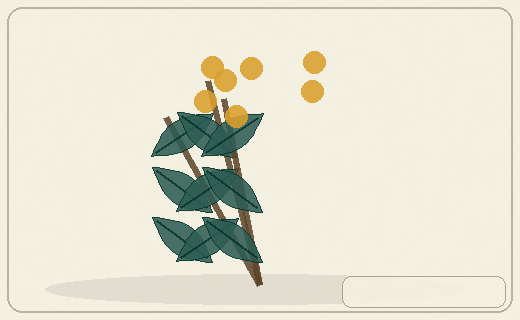
Prickly stems; compound toothed leaves; five-petaled flowers; red to orange hips.
Habitat
Open woods, thickets, prairie, dunes and mountain slopes.
Season
Hips late summer through winter.
Field use
Fleshy hip walls are documented food after the irritating hairs and seeds are removed; good for simmering or drying.
Caution
Internal hairs irritate skin and mouth. Avoid sprayed or moldy fruit.
Look-alikes
Hawthorn has simple lobed leaves and woody thorns.
food fruitcordage

Lambsquarters / goosefoot

Chenopodium album

Land-based edible plants
Stylized form diagram for Lambsquarters / goosefoot
Identify
Mealy blue-green triangular to diamond leaves; green clustered flowers; ridged stems.
Habitat
Disturbed soil, river deposits, fields and camp edges.
Season
Spring through fall.
Field use
Young leaves and seeds are documented food after correct identification and cooking.
Caution
High oxalate and nitrate levels can accumulate; avoid large amounts and contaminated ground.
Look-alikes
Black nightshade has star-shaped flowers and berries; goosefoot flowers stay green and clustered.
food greenfood seed

Wild onions and garlic

Allium spp.

Land-based edible plants
Stylized form diagram for Wild onions and garlic
Identify
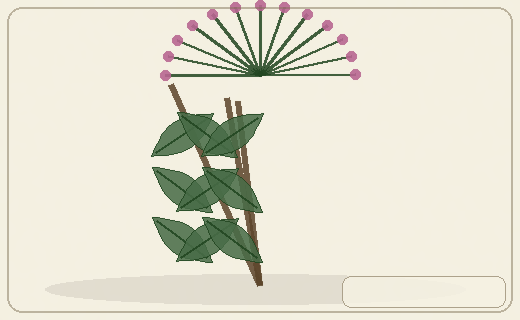
Narrow leaves or hollow stems; spherical flower heads; clear onion or garlic odor in leaf and bulb.
Habitat
Meadows, rocky slopes, open woodland and stream terraces.
Season
Spring through fall.
Field use
Leaves, flowers and bulbs of positively identified Allium are documented food and seasoning.
Caution
Every sampled part must smell of onion, but odor is not the only test. Avoid unknown bulbs.
Look-alikes
Death camas lacks onion odor and can be fatal.
food greenfood bulb

Aquatic edibles

Water-margin food species

Cattails

Typha spp.

Water and wetland edible plants
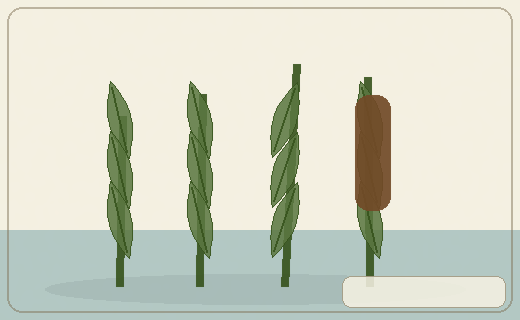
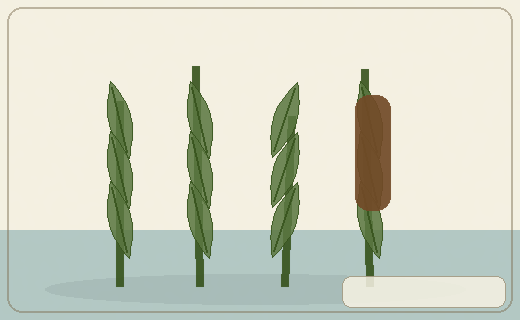
Stylized form diagram for Cattails
Identify
Tall flat strap leaves; dense brown cylindrical female flower spike below a narrower male section.
Habitat
Marshes, pond edges, slow channels and wet ditches.
Season
Shoots spring; pollen early summer; rhizomes year-round where lawful.
Field use
Documented food parts include young inner shoots, pollen and processed rhizome starch. Leaves make mats, baskets and thatch; seed down can bulk tinder.
Caution
Water can concentrate sewage, metals and parasites. Raw rhizome requires correct processing; avoid contaminated marshes.
Look-alikes
Yellow flag iris has sword leaves and showy flowers but no brown cattail head.
food shootfood starchbasketrythatchtinder

Wild rice

Zizania spp.

Water and wetland edible plants
Stylized form diagram for Wild rice
Identify
Tall aquatic annual grass; open branching flower head with separate male and female sections; long dark grains.
Habitat
Shallow lakes, slow rivers and marshes in North America.
Season
Late summer to early fall.
Field use
Mature grains are documented food and can be parched, winnowed and cooked.
Caution
Harvest rights and methods are culturally and legally regulated. Avoid moldy grain and polluted water.
Look-alikes
Common reed has feathery panicles but no long dark grain.
food grainthatch

Arrowhead / wapato

Sagittaria spp.

Water and wetland edible plants
Stylized form diagram for Arrowhead / wapato
Identify
Arrow-shaped or lance leaves rising from shallow water; three-petaled white flowers in whorls; underground tubers in some species.
Habitat
Shallow ponds, sloughs, marshes and slow streams.
Season
Tubers late summer through winter.
Field use
Tubers of confirmed edible species are documented food after cooking; leaves and flower stalks help locate the bed.
Caution
Never eat raw. Species and tuber production vary. Wetland pathogens and water hemlock are nearby hazards.
Look-alikes
Arrow arum has one large hooded flower and toxic tissues.
food tuber

Traditional-use

Documented traditional medicine

Yarrow

Achillea millefolium

Medicinal and traditional-use plants
Stylized form diagram for Yarrow
Identify
Aromatic finely divided leaves; flat clusters of small white to pink flower heads.
Habitat
Dry openings, trails, grassland, shore gravel and disturbed soil.
Season
Summer through fall.
Field use
Documented traditional external uses include washes and aromatic preparations; dry flower heads make light tinder.
Caution
Possible allergy, pregnancy and anticoagulant concerns. Not a substitute for wound cleaning or medical care.
Look-alikes
Poison hemlock is much taller with hollow purple-spotted stems and true umbels.
medicinetinder

Broadleaf and ribwort plantains

Plantago major / P. lanceolata

Medicinal and traditional-use plants
Stylized form diagram for Broadleaf and ribwort plantains
Identify
Basal rosette with strong parallel ribs; leafless spikes of tiny flowers and seeds.
Habitat
Trails, camps, meadows and disturbed soil.
Season
Spring through fall.
Field use
Young leaves and seeds are documented food; clean leaves have traditional external use on minor irritation.
Caution
Do not put dirty leaves on open wounds. Seeds swell with water and can obstruct if taken dry in quantity.
Look-alikes
Docks have netted veins; plantain ribs run from the base.
food greenmedicine

Mugworts

Artemisia vulgaris complex

Medicinal and traditional-use plants
Stylized form diagram for Mugworts
Identify
Aromatic deeply lobed leaves, commonly silvery beneath; small inconspicuous flower heads.
Habitat
Disturbed ground, steppe, forest edges and riverbanks.
Season
Summer through fall.
Field use
Documented traditional uses include aromatic smoke and digestive preparations; dry stalks can be tinder.
Caution
Avoid internal use during pregnancy or with seizure disorders. Species identification is difficult.
Look-alikes
Ragweeds lack the silvery underside and have different flowers.
medicinetinder

Poisonous look-alikes

Do not eat — verify before harvest

Water hemlocks

Cicuta spp.

Poisonous plants
Stylized form diagram for Water hemlocks
Identify
Wetland perennial with divided leaves, white umbrella flower clusters and thick chambered rootstocks.
Habitat
Marshes, wet meadows, stream edges and ditches across the northern hemisphere.
Season
Spring through fall.
Field use
No survival use. Make wetland root gathering a prohibited activity unless a qualified botanist is present.
Caution
Extremely poisonous; small amounts, especially roots, can cause violent seizures and death.
Look-alikes
Angelica, cow parsnip and other Apiaceae can look similar. Never taste to decide.
poison

Poison hemlock

Conium maculatum

Poisonous plants
Stylized form diagram for Poison hemlock
Identify
Tall smooth hollow stems often purple-spotted; glossy finely divided leaves; many white umbels.
Habitat
Roadsides, wet ditches, disturbed fields and riverbanks.
Season
Spring through fall.
Field use
No use. Learn before collecting any wild carrot-family greens.
Caution
All parts are poisonous and sap can contaminate hands or tools. Do not burn in a cooking fire.
Look-alikes
Wild carrot has hairy stems and a compact nest-like fruiting umbel.
poison

Daturas / thorn apples

Datura spp.

Poisonous plants
Stylized form diagram for Daturas / thorn apples
Identify
Large foul-smelling leaves; upright trumpet flowers; spiny egg-shaped capsules.
Habitat
Disturbed warm ground, dry riverbeds and fields worldwide.
Season
Summer-fall.
Field use
No use.
Caution
All parts contain dangerous tropane alkaloids causing delirium, overheating, seizures and death.
Look-alikes
Brugmansia has hanging trumpets on woody shrubs and is also toxic.
poison

Baneberries

Actaea spp.

Poisonous plants
Stylized form diagram for Baneberries
Identify
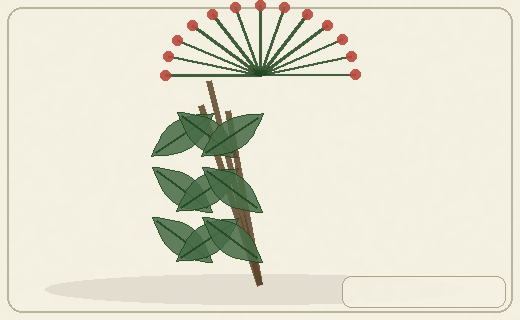
Woodland herb with divided leaves, white flower clusters and red, white or black berries on stout stalks.
Habitat
Moist temperate and boreal forest.
Season
Fruit late summer.
Field use
No food use.
Caution
Berries and roots are poisonous and can affect the gastrointestinal and cardiovascular systems.
Look-alikes
Edible Vaccinium berries grow on woody shrubs with simple leaves.
poison