
Skip to content

Global Regional Plant Guides

East Asian Temperate Mixed Forest Plant Survival Guide

A comprehensive survival plant guide for East Asian Temperate Mixed Forest, covering useful woody materials, land foods, aquatic foods, traditional-use plants and poisonous look-alikes.

Cover of East Asian Temperate Mixed Forest Plant Survival Guide
Continent
Asia
USDA-equivalent zones
5-9
Köppen climate
Dwa / Dwb / Cfa
Profiles
20
Regional biome
Deciduous-conifer forest, river valley, wetland and mountain slope
Download PDF (17 pages)

Print-ready · US Letter · clickable sources

Useful plants · 5Land edibles · 5Aquatic edibles · 3Traditional-use · 3Poisonous look-alikes · 4

Useful plants

Wood, fibre, shelter and craft

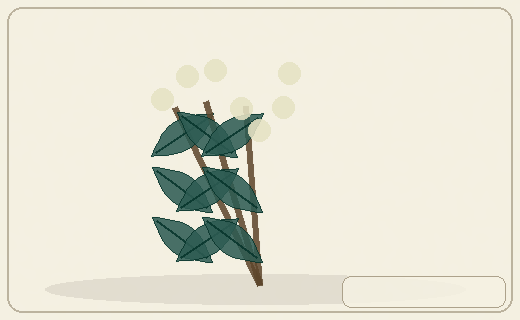
Asian bamboos

Bambusa / Dendrocalamus / Phyllostachys spp.
Useful plants
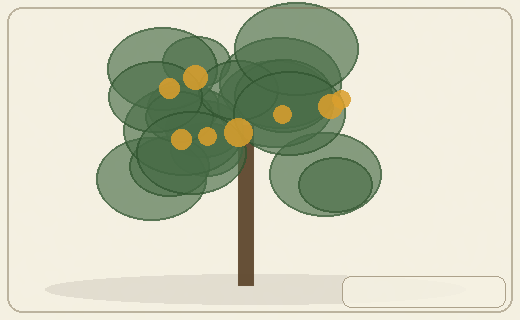
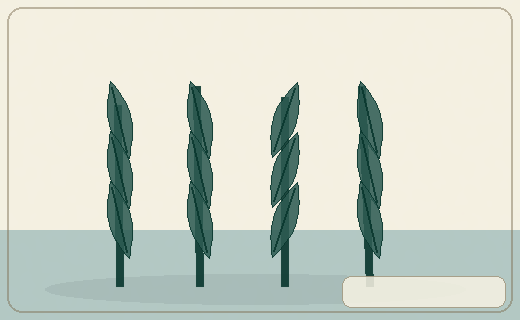
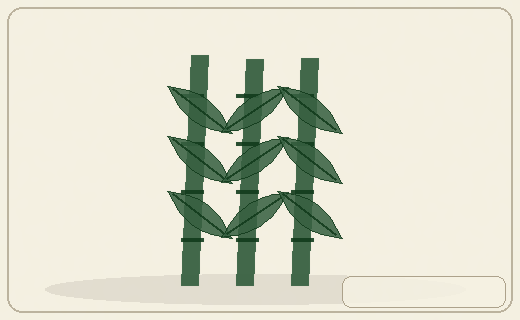
Stylized form diagram for Asian bamboos
Identify
Hollow or thick-walled segmented culms; branches at nodes; narrow grass leaves.
Habitat
Asian tropical, subtropical and temperate forest, river valleys and disturbed ground.
Season
Culms year-round; shoots rainy or spring season.
Field use
Shelter, containers, bows, arrow shafts, spears, traps, rafts, cordage strips and friction-fire sets; selected young shoots are food after boiling.
Caution
Shoot cyanide varies; never eat raw unknown bamboo shoots. Green culms can split in fire.
Look-alikes
Giant reeds lack woody branched culms.
constructionbow woodarrow shaftcontainerbow drillfood shoot
Ashes

Fraxinus spp.

Useful plants
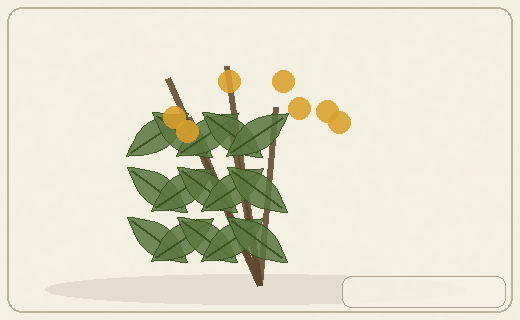
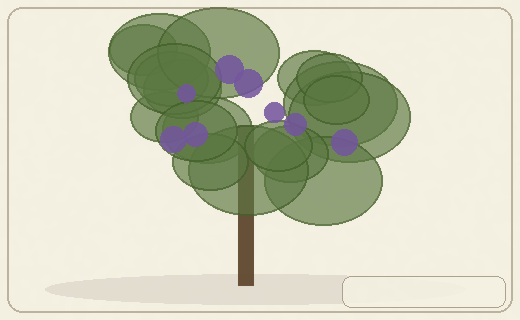
Stylized form diagram for Ashes
Identify
Opposite branching; compound leaves; one-seeded winged keys in clusters.
Habitat
Temperate hardwood forest, floodplain and woodland edge.
Season
Wood year-round; leaves growing season.
Field use
Elastic, shock-resistant wood for bows, spear shafts, wedges, handles and snowshoe frames.
Caution
Emerald ash borer and conservation rules may restrict cutting. Confirm opposite branching.
Look-alikes
Boxelder has opposite compound leaves but maple-type paired keys.
bow woodarrow shafthandleswedges

Oaks

Quercus spp.

Useful plants
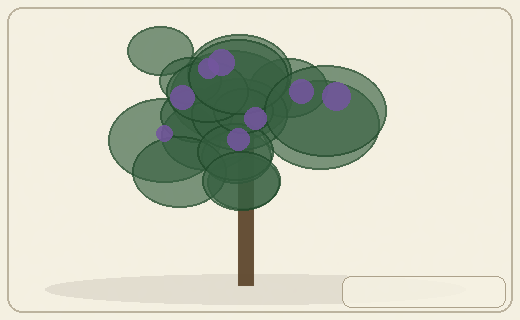
Stylized form diagram for Oaks
Identify
Alternate leaves; acorns in cups; buds clustered at twig tips. Leaf lobes may be rounded or bristle-tipped.
Habitat
Temperate woodland, savanna, Mediterranean scrub and mountain forest.
Season
Acorns fall; wood year-round.
Field use
Dense bow and handle wood, durable stakes and excellent coals. Acorns are high-energy food only after species-specific leaching to remove tannins.
Caution
Never eat raw bitter acorns in quantity. Moldy acorns are unsafe.
Look-alikes
Chestnuts have spiny burs and long toothed leaves.
bow woodhandlesfuelfood nut

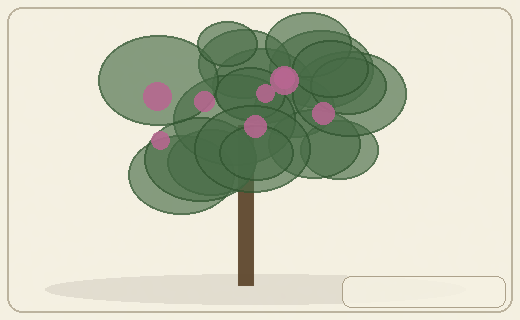
Paper mulberry

Broussonetia papyrifera

Useful plants
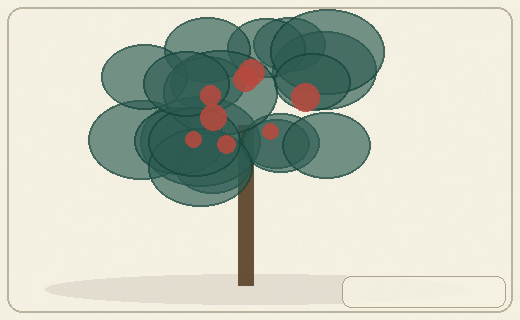
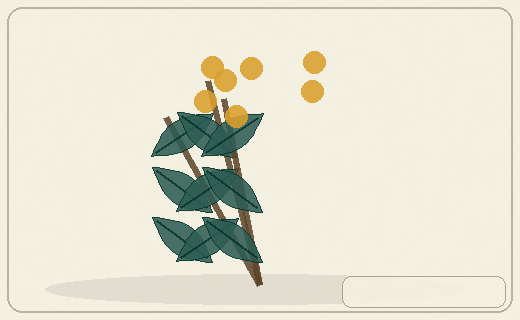
Stylized form diagram for Paper mulberry
Identify
Variable lobed rough leaves; milky sap; orange-red aggregate female fruits.
Habitat
East and Southeast Asian forest edge, villages and disturbed ground; introduced widely.
Season
Bark and wood year-round; fruit seasonal.
Field use
Inner bark has famous barkcloth, cordage and paper uses; straight shoots make arrow shafts; ripe fruit is edible but fragile.
Caution
Milky sap can irritate and fruit spoils quickly. Trees may be invasive.
Look-alikes
Mulberries have similar fruit but usually less variable leaves and no dense orange hairs.
cordagebarkclotharrow shaftfood fruit

Dogwoods

Cornus spp.

Useful plants
Stylized form diagram for Dogwoods
Identify
Usually opposite branching; arcuate leaf veins curve toward the tip; clustered flowers and drupes.
Habitat
Forest edge, riparian thicket and mountain slope.
Season
Stems year-round; fruit varies by species.
Field use
Dense straight shoots make excellent arrow shafts, skewers and pegs.
Caution
Fruit edibility varies greatly; some species cause stomach upset. Use as material unless species is confirmed.
Look-alikes
Viburnums may have opposite leaves but different veins and buds.
arrow shaftpegsskewers

Land edibles

Terrestrial food species

Ginkgo

Ginkgo biloba

Land-based edible plants
Stylized form diagram for Ginkgo
Identify
Fan-shaped leaves with radiating veins; paired short shoots; fleshy foul-smelling seed coat around hard nut.
Habitat
East Asian temple groves, cities and rare native forest.
Season
Seeds autumn; wood year-round.
Field use
Properly cooked kernels have documented food use; wood carves cleanly.
Caution
Raw or undercooked seeds contain toxins and repeated consumption is dangerous; fleshy coat irritates skin.
Look-alikes
No close common look-alike.
food seedcarving

Asian chestnuts

Castanea mollissima / C. crenata

Land-based edible plants
Stylized form diagram for Asian chestnuts
Identify
Long sharply toothed leaves; nuts enclosed in dense spiny burs.
Habitat
East Asian temperate forest and old cultivation.
Season
Nuts autumn; wood year-round.
Field use
Nuts are high-energy food after roasting; wood makes bows, stakes and fuel.
Caution
Burs are extremely sharp. Moldy nuts are unsafe.
Look-alikes
Horse chestnut has palmately compound leaves and toxic shiny seeds in fewer-spined husks.
food nutbow woodstakesfuel

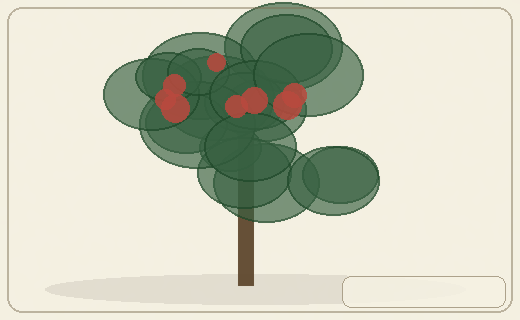
Asian persimmons

Diospyros kaki / D. lotus

Land-based edible plants
Stylized form diagram for Asian persimmons
Identify
Alternate glossy leaves; urn-like flowers; orange to purple fruits with large persistent calyx.
Habitat
East Asian forest edges, valleys and abandoned orchards.
Season
Fruit autumn.
Field use
Fully ripe fruit is documented food; dense wood makes pegs and small tools.
Caution
Unripe fruit is intensely astringent. Cultivated ownership and species matter.
Look-alikes
Date plum and other Diospyros vary in fruit size and color.
food fruitpegstools

Wild walnuts

Juglans spp.

Land-based edible plants
Stylized form diagram for Wild walnuts
Identify
Large alternate compound leaves; chambered twig pith; green husks around hard corrugated nuts.
Habitat
Temperate Asian and North American valleys and mountain forest.
Season
Nuts autumn; wood year-round.
Field use
Nuts are high-energy food; hard wood makes bows, handles and tools; husks provide dye.
Caution
Nut allergy and mold risk; husk juice stains and may irritate.
Look-alikes
Hickory husks split cleanly and twig pith differs.
food nutbow woodhandlesdye

Stinging nettle

Urtica dioica

Land-based edible plants
Stylized form diagram for Stinging nettle
Identify
Opposite sharply toothed leaves; fibrous stems; translucent stinging hairs; green flower clusters.
Habitat
Rich disturbed soil, river terraces, old camps and forest openings.
Season
Young tops spring; fiber later.
Field use
Young tops are documented food after thorough cooking or drying; mature stems yield strong bast fiber.
Caution
Wear gloves; do not eat raw. Internal use can affect medicines and kidney conditions.
Look-alikes
Dead-nettles do not sting and have showier mint-family flowers.
food greencordagefiber

Aquatic edibles

Water-margin food species

Sacred lotus

Nelumbo nucifera

Water and wetland edible plants
Stylized form diagram for Sacred lotus
Identify
Large circular peltate leaves usually rising above water; large pink-white flowers; showerhead seed pods.
Habitat
Warm Asian lakes, ponds, floodplains and cultivated wetlands.
Season
Rhizomes, seeds and shoots seasonal.
Field use
Rhizomes, seeds and young stems are documented foods after cooking; fibers have craft use.
Caution
Wetland contamination and deep mud are major hazards. Raw parts can carry parasites.
Look-alikes
Water lily leaves have a slit and usually float.
food starchfood seedfiber

Water chestnut

Eleocharis dulcis

Water and wetland edible plants
Stylized form diagram for Water chestnut
Identify
Leafless-looking round green stems in clumps; small brown spikelets; underground dark corms.
Habitat
Warm freshwater marshes, paddies and pond margins.
Season
Corms late season.
Field use
Clean cooked corms are documented food.
Caution
Raw corms can carry parasites and wetlands may be contaminated. Confirm sedge and corm structure.
Look-alikes
Spike-rush species without large edible corms are common.
food tuber

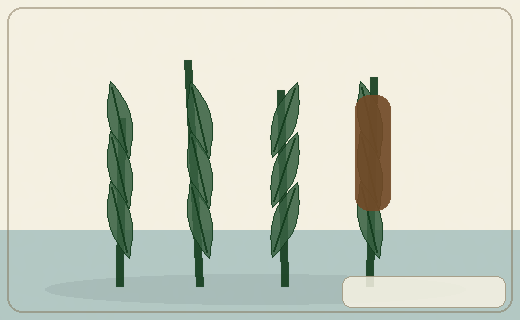
Cattails

Typha spp.

Water and wetland edible plants
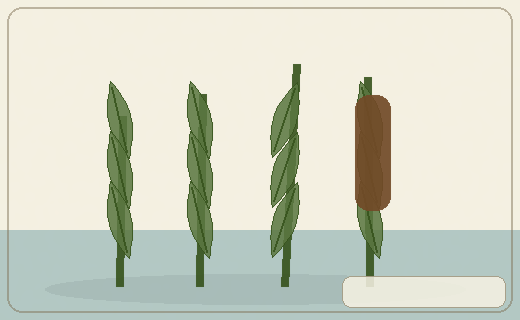
Stylized form diagram for Cattails
Identify
Tall flat strap leaves; dense brown cylindrical female flower spike below a narrower male section.
Habitat
Marshes, pond edges, slow channels and wet ditches.
Season
Shoots spring; pollen early summer; rhizomes year-round where lawful.
Field use
Documented food parts include young inner shoots, pollen and processed rhizome starch. Leaves make mats, baskets and thatch; seed down can bulk tinder.
Caution
Water can concentrate sewage, metals and parasites. Raw rhizome requires correct processing; avoid contaminated marshes.
Look-alikes
Yellow flag iris has sword leaves and showy flowers but no brown cattail head.
food shootfood starchbasketrythatchtinder

Traditional-use

Documented traditional medicine

Mugworts

Artemisia vulgaris complex

Medicinal and traditional-use plants
Stylized form diagram for Mugworts
Identify
Aromatic deeply lobed leaves, commonly silvery beneath; small inconspicuous flower heads.
Habitat
Disturbed ground, steppe, forest edges and riverbanks.
Season
Summer through fall.
Field use
Documented traditional uses include aromatic smoke and digestive preparations; dry stalks can be tinder.
Caution
Avoid internal use during pregnancy or with seizure disorders. Species identification is difficult.
Look-alikes
Ragweeds lack the silvery underside and have different flowers.
medicinetinder

Broadleaf and ribwort plantains

Plantago major / P. lanceolata

Medicinal and traditional-use plants
Stylized form diagram for Broadleaf and ribwort plantains
Identify
Basal rosette with strong parallel ribs; leafless spikes of tiny flowers and seeds.
Habitat
Trails, camps, meadows and disturbed soil.
Season
Spring through fall.
Field use
Young leaves and seeds are documented food; clean leaves have traditional external use on minor irritation.
Caution
Do not put dirty leaves on open wounds. Seeds swell with water and can obstruct if taken dry in quantity.
Look-alikes
Docks have netted veins; plantain ribs run from the base.
food greenmedicine

Yarrow

Achillea millefolium

Medicinal and traditional-use plants
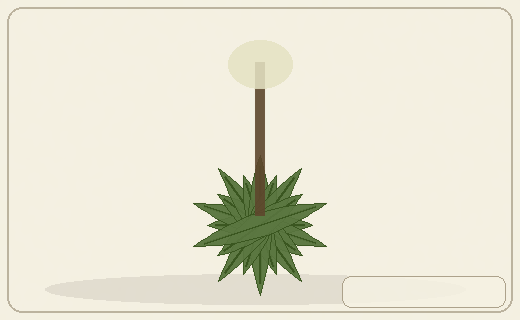
Stylized form diagram for Yarrow
Identify
Aromatic finely divided leaves; flat clusters of small white to pink flower heads.
Habitat
Dry openings, trails, grassland, shore gravel and disturbed soil.
Season
Summer through fall.
Field use
Documented traditional external uses include washes and aromatic preparations; dry flower heads make light tinder.
Caution
Possible allergy, pregnancy and anticoagulant concerns. Not a substitute for wound cleaning or medical care.
Look-alikes
Poison hemlock is much taller with hollow purple-spotted stems and true umbels.
medicinetinder

Poisonous look-alikes

Do not eat — verify before harvest

Monkshoods

Aconitum spp.

Poisonous plants
Stylized form diagram for Monkshoods
Identify
Deeply divided palmate leaves; blue, purple, yellow or white hood-shaped flowers.
Habitat
Moist mountain meadows, streambanks and cool forest.
Season
Summer.
Field use
No food or field medicinal use.
Caution
All parts contain potent aconitine-type alkaloids; ingestion can cause fatal heart and nerve effects.
Look-alikes
Larkspurs have a rear spur and are also toxic.
poison

False hellebores

Veratrum spp.

Poisonous plants
Stylized form diagram for False hellebores
Identify
Tall herb with broad strongly pleated leaves around a stout stem and branched greenish flower clusters.
Habitat
Wet meadows, seeps and stream margins in temperate and montane regions.
Season
Spring through summer.
Field use
No food use.
Caution
All parts are poisonous and may cause vomiting, slow heart rate, low blood pressure and collapse.
Look-alikes
Young shoots can resemble wild leek but lack onion odor and have broad pleated leaves.
poison

Foxglove

Digitalis purpurea

Poisonous plants
Stylized form diagram for Foxglove
Identify
Tall spike of purple, pink or white tubular flowers with spotted throats; soft wrinkled basal leaves.
Habitat
Roadsides, clearings, old farms and disturbed temperate ground.
Season
Late spring through summer.
Field use
No field medicinal use.
Caution
All parts contain potent cardiac glycosides and can cause life-threatening rhythm disturbances.
Look-alikes
First-year rosettes can resemble comfrey or mullein.
poison

Yew toxicity profile

Taxus spp.

Poisonous plants
Stylized form diagram for Yew toxicity profile
Identify
Flat evergreen needles, reddish bark and red cup-like arils around hard seeds.
Habitat
Temperate and montane forest.
Season
Year-round.
Field use
Material use only by experts; no food or medicine use.
Caution
Needles, bark and seeds contain dangerous taxines. Never burn in a cooking fire.
Look-alikes
Hemlocks and firs have cones and pale bands beneath needles.
poison