
Skip to content

Global Regional Plant Guides

East African Highlands & Afromontane Forest Plant Survival Guide

A comprehensive survival plant guide for East African Highlands & Afromontane Forest, covering useful woody materials, land foods, aquatic foods, traditional-use plants and poisonous look-alikes.

Cover of East African Highlands & Afromontane Forest Plant Survival Guide
Continent
Africa
USDA-equivalent zones
7-11
Köppen climate
Cwb / Cfb
Profiles
20
Regional biome
Afromontane forest, bamboo belt, moorland and highland stream
Download PDF (17 pages)

Print-ready · US Letter · clickable sources

Useful plants · 5Land edibles · 5Aquatic edibles · 3Traditional-use · 3Poisonous look-alikes · 4

Useful plants

Wood, fibre, shelter and craft

African highland bamboo

Oldeania alpina / Oxytenanthera spp.
Useful plants
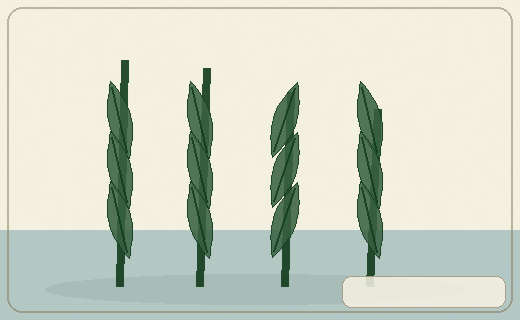
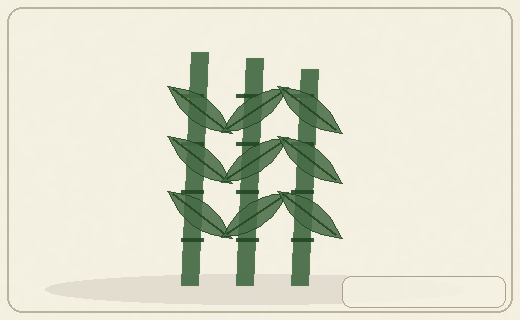
Stylized form diagram for African highland bamboo
Identify
Tall segmented culms in dense stands; narrow grass leaves; branching at nodes.
Habitat
African highlands or dry tropical woodland depending species.
Season
Culms year-round; shoots seasonal.
Field use
Shelter, containers, arrow shafts, bows, traps, friction-fire sets and cooked shoots of known species.
Caution
Shoots may contain cyanogenic compounds and require boiling; stands hide wildlife and unstable slopes.
Look-alikes
Reeds are thinner and wetland-rooted.
constructionarrow shaftbow drillcontainerfood shoot
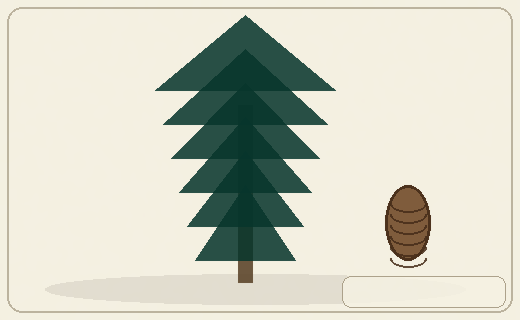
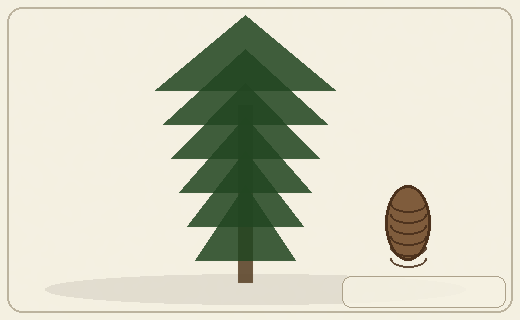
African pencil cedar

Juniperus procera

Useful plants
Stylized form diagram for African pencil cedar
Identify
Tall evergreen with scale-like foliage, reddish fibrous bark and blue berry-like cones.
Habitat
East African highlands and Afromontane forest.
Season
Year-round.
Field use
Durable aromatic wood for poles, tools, bows and fuel; fibrous bark is tinder.
Caution
Old trees are protected or culturally important. Smoke and oils irritate.
Look-alikes
Podocarpus has flat strap leaves and fleshy seed structures.
bow woodpolestoolstinder

African podocarps

Podocarpus latifolius / P. falcatus

Useful plants
Stylized form diagram for African podocarps
Identify
Evergreen tree with flat strap-like leaves and single seeds on fleshy receptacles rather than cones.
Habitat
African montane and coastal evergreen forest.
Season
Wood year-round; seeds seasonal.
Field use
Straight wood for bows, tools, boards and fuel.
Caution
Many populations are protected and overlogged. Fleshy seed structures are not general food.
Look-alikes
African juniper has scale leaves and berry-like cones.
bow woodtoolsconstructionfuel

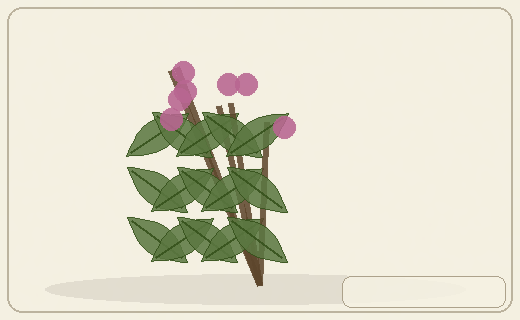
Wild raisins / Grewia

Grewia spp.

Useful plants
Stylized form diagram for Wild raisins / Grewia
Identify
Rough toothed leaves; small star-like flowers; lobed orange, red or brown drupes.
Habitat
African savanna, dry woodland and scrub.
Season
Fruit seasonal; stems year-round.
Field use
Ripe fruits of selected species are documented food; straight stems provide arrow shafts, bows, cordage bark and tool handles.
Caution
Species vary. Confirm fruit and leaf traits; thorny thickets can conceal snakes.
Look-alikes
Ziziphus has paired thorns and three-veined leaves.
food fruitarrow shaftbow woodcordage

Alders

Alnus spp.

Useful plants
Stylized form diagram for Alders
Identify
Oval toothed leaves; catkins; woody cone-like female structures persist through winter.
Habitat
Wet thickets, streambanks, avalanche tracks and disturbed forest.
Season
Wood year-round; leaves growing season.
Field use
Straight stems for racks and wattle; seasoned alder burns evenly and is widely used as smoking wood.
Caution
Wet alder smokes heavily; dense thickets can hide unstable banks.
Look-alikes
Birch lacks persistent woody cones.
poleswattlefuelsmoking

Land edibles

Terrestrial food species

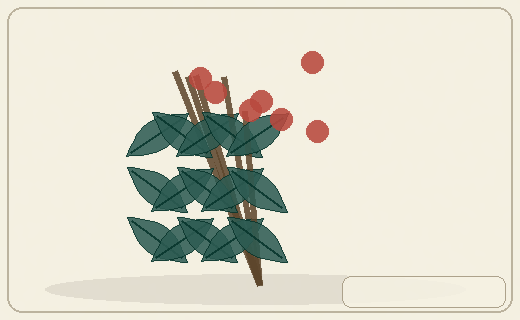
Wild roses

Rosa spp.

Land-based edible plants
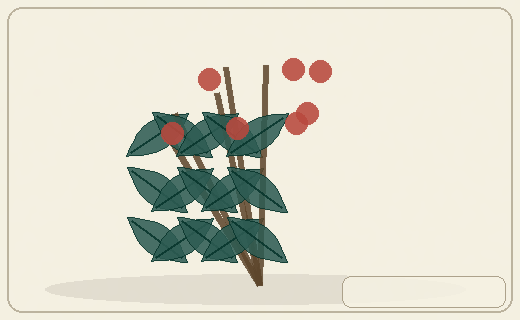
Stylized form diagram for Wild roses
Identify
Prickly stems; compound toothed leaves; five-petaled flowers; red to orange hips.
Habitat
Open woods, thickets, prairie, dunes and mountain slopes.
Season
Hips late summer through winter.
Field use
Fleshy hip walls are documented food after the irritating hairs and seeds are removed; good for simmering or drying.
Caution
Internal hairs irritate skin and mouth. Avoid sprayed or moldy fruit.
Look-alikes
Hawthorn has simple lobed leaves and woody thorns.
food fruitcordage

Stinging nettle

Urtica dioica

Land-based edible plants
Stylized form diagram for Stinging nettle
Identify
Opposite sharply toothed leaves; fibrous stems; translucent stinging hairs; green flower clusters.
Habitat
Rich disturbed soil, river terraces, old camps and forest openings.
Season
Young tops spring; fiber later.
Field use
Young tops are documented food after thorough cooking or drying; mature stems yield strong bast fiber.
Caution
Wear gloves; do not eat raw. Internal use can affect medicines and kidney conditions.
Look-alikes
Dead-nettles do not sting and have showier mint-family flowers.
food greencordagefiber

Wild onions and garlic

Allium spp.

Land-based edible plants
Stylized form diagram for Wild onions and garlic
Identify
Narrow leaves or hollow stems; spherical flower heads; clear onion or garlic odor in leaf and bulb.
Habitat
Meadows, rocky slopes, open woodland and stream terraces.
Season
Spring through fall.
Field use
Leaves, flowers and bulbs of positively identified Allium are documented food and seasoning.
Caution
Every sampled part must smell of onion, but odor is not the only test. Avoid unknown bulbs.
Look-alikes
Death camas lacks onion odor and can be fatal.
food greenfood bulb

Bilberry / bog blueberry group

Vaccinium myrtillus / V. uliginosum

Land-based edible plants
Stylized form diagram for Bilberry / bog blueberry group
Identify
Low woody shrub; blue to blue-black berries with a crown; leaves alternate and small.
Habitat
Boreal, montane and tundra heath.
Season
Mid- to late summer.
Field use
Ripe berries are documented food and can be dried or cooked.
Caution
Color alone is not enough; confirm woody stem and Vaccinium fruit crown.
Look-alikes
Black-berried herbs lack woody stems; crowberry has needle-like leaves.
food fruit

Tamarind

Tamarindus indica

Land-based edible plants
Stylized form diagram for Tamarind
Identify
Fine paired leaflets; brown brittle pods containing sticky sour pulp and hard seeds.
Habitat
African and Asian dry tropics, river valleys and old settlements.
Season
Pods dry season; wood year-round.
Field use
Pod pulp is documented food and drink flavoring; dense wood makes handles and fuel.
Caution
Seeds are extremely hard; avoid moldy pods. Acidic pulp can worsen reflux.
Look-alikes
Cassia pods and leaves differ; tamarind pods are brittle and pulp sticky.
food podhandlesfuel

Aquatic edibles

Water-margin food species

Watercress

Nasturtium officinale

Water and wetland edible plants
Stylized form diagram for Watercress
Identify
Creeping hollow stems; pinnate leaves with a larger rounded terminal leaflet; small white four-petaled flowers.
Habitat
Cold flowing springs and streams, often where nutrient-rich.
Season
Cool seasons.
Field use
Tender tops are documented food and are usually cooked in survival settings.
Caution
Raw watercress can carry liver flukes and sewage pathogens. Avoid downstream of livestock, roads or settlements.
Look-alikes
Water hemlock has divided leaves and umbrella flowers; never rely on habitat alone.
food green

Cattails

Typha spp.

Water and wetland edible plants
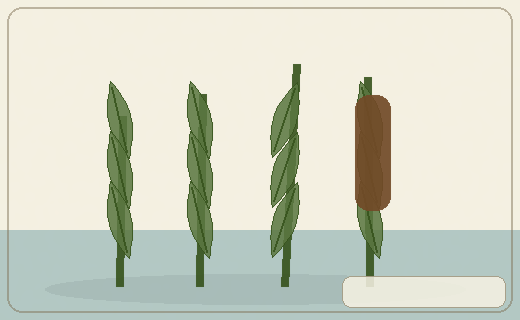
Stylized form diagram for Cattails
Identify
Tall flat strap leaves; dense brown cylindrical female flower spike below a narrower male section.
Habitat
Marshes, pond edges, slow channels and wet ditches.
Season
Shoots spring; pollen early summer; rhizomes year-round where lawful.
Field use
Documented food parts include young inner shoots, pollen and processed rhizome starch. Leaves make mats, baskets and thatch; seed down can bulk tinder.
Caution
Water can concentrate sewage, metals and parasites. Raw rhizome requires correct processing; avoid contaminated marshes.
Look-alikes
Yellow flag iris has sword leaves and showy flowers but no brown cattail head.
food shootfood starchbasketrythatchtinder

African water lilies

Nymphaea lotus / N. nouchali group

Water and wetland edible plants
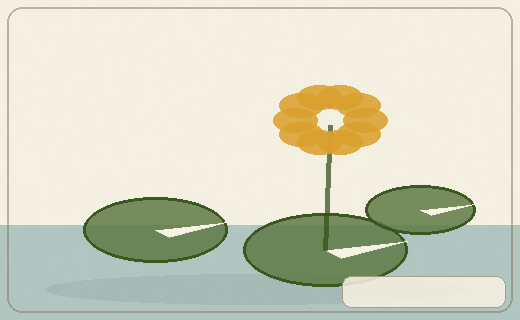
Stylized form diagram for African water lilies
Identify
Round floating leaves with a slit; showy white, blue or pink flowers; seeds and rhizomes.
Habitat
Warm African lakes, floodplains and slow rivers.
Season
Flowers and seeds seasonal; rhizomes year-round.
Field use
Seeds and rhizomes of selected species have documented food use after processing.
Caution
Raw tissues can be bitter or irritating; avoid polluted or crocodile habitat.
Look-alikes
Aquatic aroids have arrow leaves and a spadix.
food seedfood starch

Traditional-use

Documented traditional medicine

African wormwood

Artemisia afra

Medicinal and traditional-use plants
Stylized form diagram for African wormwood
Identify
Gray-green aromatic finely divided leaves; small inconspicuous flower heads; woody base.
Habitat
African highlands, grassland and disturbed mountain slopes.
Season
Growing season.
Field use
Widely documented traditional aromatic and respiratory use; dry stems support tinder.
Caution
No survival dosing. Concentrated oils and teas can be toxic, especially in pregnancy or seizure disorders.
Look-alikes
Other Artemisia species and unrelated gray shrubs resemble it.
medicinetinder

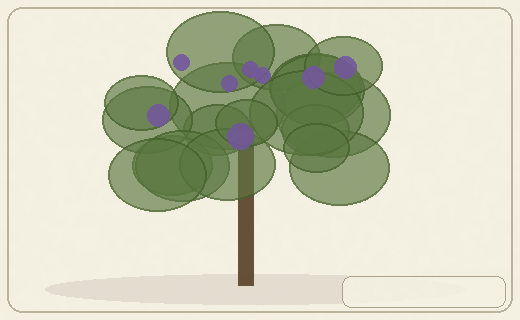
African cherry

Prunus africana

Medicinal and traditional-use plants
Stylized form diagram for African cherry
Identify
Glossy simple leaves with fine teeth, dark fissured bark and small purple-black drupes.
Habitat
Afromontane forest.
Season
Bark and wood year-round; fruit seasonal.
Field use
Dense wood for tools and fuel; bark has documented medicinal commerce.
Caution
The species is overharvested and protected in many areas. Do not strip bark or self-dose.
Look-alikes
Other Prunus have similar flowers and fruit but different leaf glands and bark.
toolsfuelmedicine

Pepper-bark tree

Warburgia salutaris

Medicinal and traditional-use plants
Stylized form diagram for Pepper-bark tree
Identify
Aromatic glossy leaves with pale undersides; rough bark; small green flowers and berries.
Habitat
Southern and East African forest margins.
Season
Leaves year-round.
Field use
Documented traditional medicinal plant and useful aromatic wood.
Caution
Critically overharvested in parts of its range. Do not strip bark or self-dose.
Look-alikes
Other aromatic trees require flower and bark confirmation.
medicinetools

Poisonous look-alikes

Do not eat — verify before harvest

Monkshoods

Aconitum spp.

Poisonous plants
Stylized form diagram for Monkshoods
Identify
Deeply divided palmate leaves; blue, purple, yellow or white hood-shaped flowers.
Habitat
Moist mountain meadows, streambanks and cool forest.
Season
Summer.
Field use
No food or field medicinal use.
Caution
All parts contain potent aconitine-type alkaloids; ingestion can cause fatal heart and nerve effects.
Look-alikes
Larkspurs have a rear spur and are also toxic.
poison

Flame lily

Gloriosa superba

Poisonous plants
Stylized form diagram for Flame lily
Identify
Climbing herb with tendril-like leaf tips and red-yellow reflexed flame-shaped flowers; underground tubers.
Habitat
African and Asian tropical grassland, thicket and forest edge.
Season
Wet season.
Field use
No food or medicine use.
Caution
All parts, especially tubers and seeds, contain colchicine-type toxins and can be fatal.
Look-alikes
Edible yams twine differently and have inconspicuous flowers.
poison

Castor bean

Ricinus communis

Poisonous plants
Stylized form diagram for Castor bean
Identify
Large star-shaped palmately lobed leaves; spiny capsules; glossy mottled seeds.
Habitat
Warm disturbed ground, riverbanks and tropical/subtropical waste areas.
Season
Growing season; seeds seasonal.
Field use
No survival food or medicine use. Oil extraction is industrial, not a field process.
Caution
Chewed seeds can release ricin and cause severe or fatal poisoning.
Look-alikes
Jatropha has similar lobed leaves but different fruit; it is also toxic.
poison

Water hemlocks

Cicuta spp.

Poisonous plants
Stylized form diagram for Water hemlocks
Identify
Wetland perennial with divided leaves, white umbrella flower clusters and thick chambered rootstocks.
Habitat
Marshes, wet meadows, stream edges and ditches across the northern hemisphere.
Season
Spring through fall.
Field use
No survival use. Make wetland root gathering a prohibited activity unless a qualified botanist is present.
Caution
Extremely poisonous; small amounts, especially roots, can cause violent seizures and death.
Look-alikes
Angelica, cow parsnip and other Apiaceae can look similar. Never taste to decide.
poison