
Skip to content

Global Regional Plant Guides

Congo Basin Rainforest & Swamp Forest Plant Survival Guide

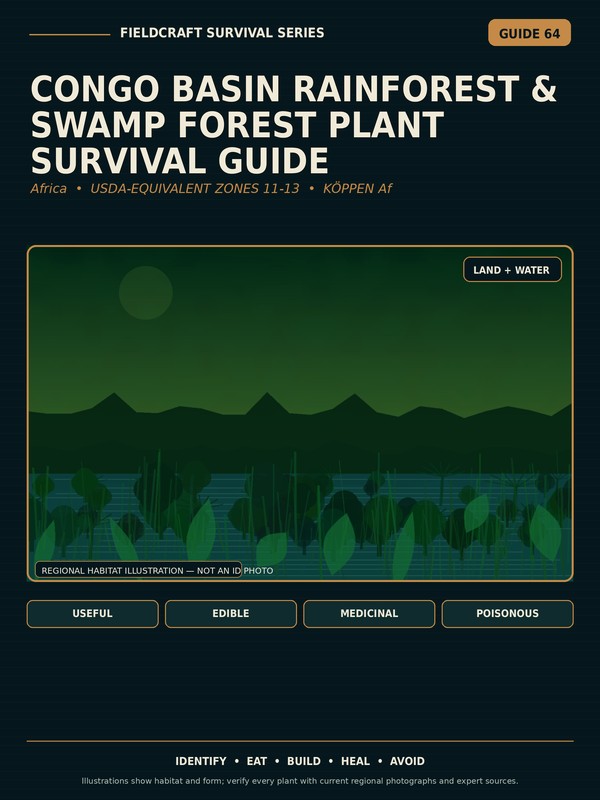
A comprehensive survival plant guide for Congo Basin Rainforest & Swamp Forest, covering useful woody materials, land foods, aquatic foods, traditional-use plants and poisonous look-alikes.

Cover of Congo Basin Rainforest & Swamp Forest Plant Survival Guide
Continent
Africa
USDA-equivalent zones
11-13
Köppen climate
Af
Profiles
20
Regional biome
Evergreen rainforest, flooded forest, swamp and river island
Download PDF (17 pages)

Print-ready · US Letter · clickable sources

Useful plants · 5Land edibles · 5Aquatic edibles · 3Traditional-use · 3Poisonous look-alikes · 4

Useful plants

Wood, fibre, shelter and craft

Raffia palms

Raphia spp.
Useful plants
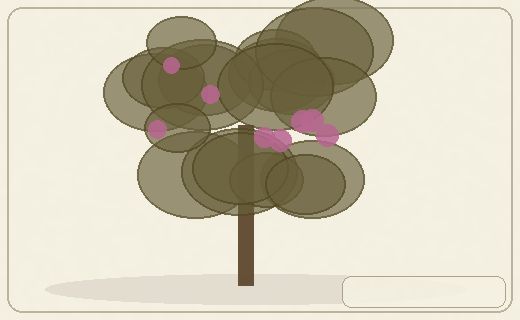
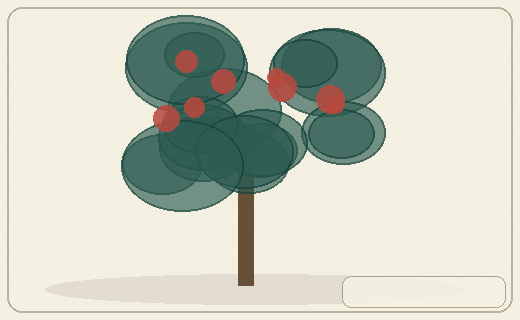
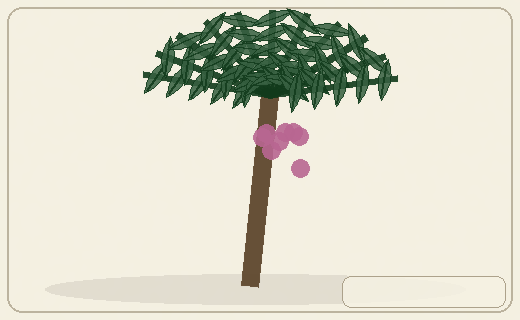
Stylized form diagram for Raffia palms
Identify
Very large feather leaves, often the longest of any plant; stout trunks; scaly fruits.
Habitat
African swamp forest, river valleys and moist lowlands.
Season
Fiber and leaves year-round; sap/fruit seasonal.
Field use
Leaf fiber makes cordage, baskets and thatch; petioles make floats and light frames; sap and fruit have documented regional uses.
Caution
Harvest is skilled and can damage the palm. Swamps conceal deep water and animals.
Look-alikes
Oil palm has smaller leaves and orange fruit clusters.
cordagebasketrythatchfloat
African oil palm

Elaeis guineensis

Useful plants
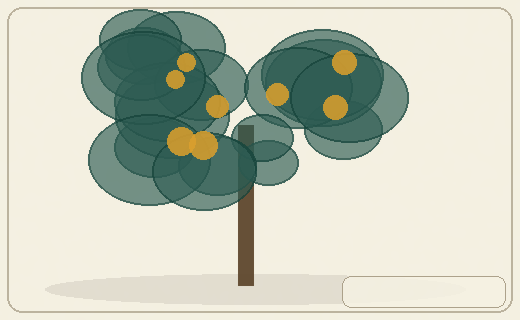
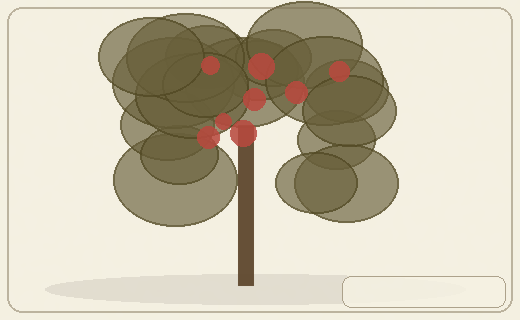
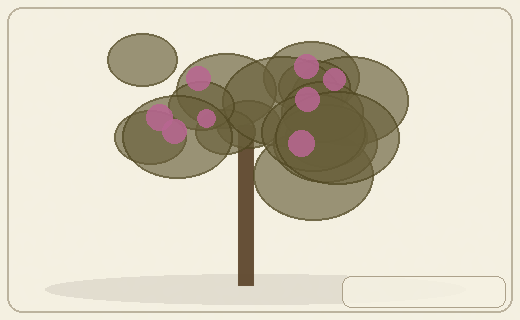
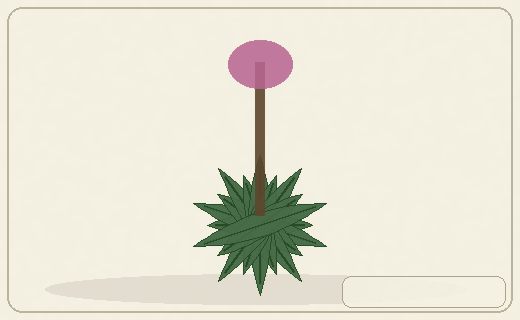
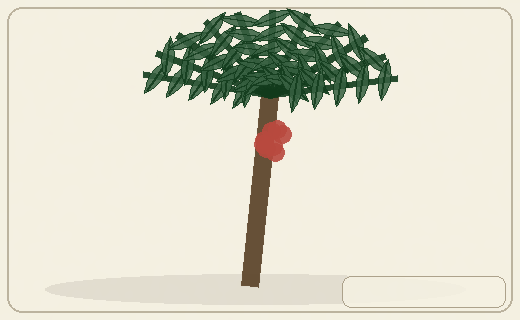
Stylized form diagram for African oil palm
Identify
Single trunk with pinnate leaves and dense clusters of orange-red oily fruits close to the crown.
Habitat
West and Central African rainforest, swamp margins and plantations.
Season
Fruit year-round to seasonal.
Field use
Processed fruit pulp and kernels yield calorie-dense oils; leaves and petioles provide thatch and basket material.
Caution
Harvest from tall palms is dangerous; plantation ownership and chemicals matter. Oil processing requires clean equipment.
Look-alikes
Raphia palms have enormous leaves and different fruit scales.
food oilthatchbasketry

African highland bamboo

Oldeania alpina / Oxytenanthera spp.

Useful plants
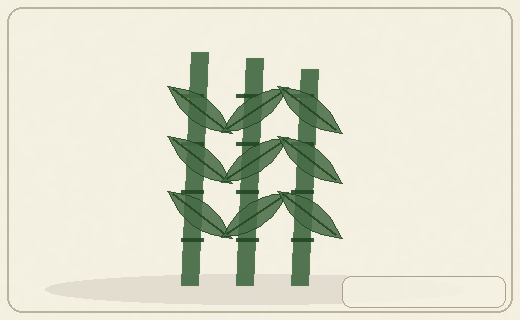
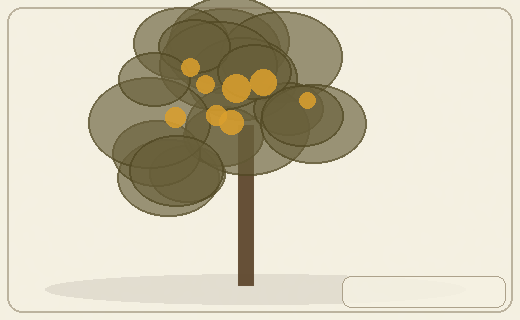
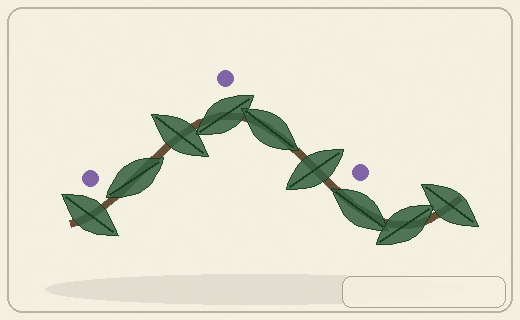
Stylized form diagram for African highland bamboo
Identify
Tall segmented culms in dense stands; narrow grass leaves; branching at nodes.
Habitat
African highlands or dry tropical woodland depending species.
Season
Culms year-round; shoots seasonal.
Field use
Shelter, containers, arrow shafts, bows, traps, friction-fire sets and cooked shoots of known species.
Caution
Shoots may contain cyanogenic compounds and require boiling; stands hide wildlife and unstable slopes.
Look-alikes
Reeds are thinner and wetland-rooted.
constructionarrow shaftbow drillcontainerfood shoot

Kapok / ceiba

Ceiba pentandra

Useful plants
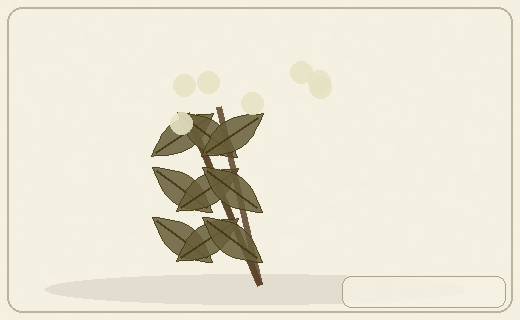
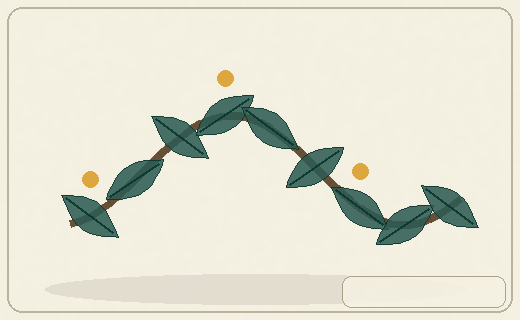
Stylized form diagram for Kapok / ceiba
Identify
Massive buttressed trunk; palmate leaves; large pods releasing silky floss.
Habitat
Tropical American and African lowland forest and river margins.
Season
Floss and pods seasonal; wood year-round.
Field use
Floss bulks tinder and insulation; light wood is easy to carve for floats, containers and bow-drill hearths.
Caution
Floss ignites quickly but also spreads sparks. Large trees may be culturally protected.
Look-alikes
Balsa has simple heart-shaped leaves and no palmate leaflets.
tinderinsulationfloatbow drill board

Wild raisins / Grewia

Grewia spp.

Useful plants
Stylized form diagram for Wild raisins / Grewia
Identify
Rough toothed leaves; small star-like flowers; lobed orange, red or brown drupes.
Habitat
African savanna, dry woodland and scrub.
Season
Fruit seasonal; stems year-round.
Field use
Ripe fruits of selected species are documented food; straight stems provide arrow shafts, bows, cordage bark and tool handles.
Caution
Species vary. Confirm fruit and leaf traits; thorny thickets can conceal snakes.
Look-alikes
Ziziphus has paired thorns and three-veined leaves.
food fruitarrow shaftbow woodcordage

Land edibles

Terrestrial food species

African pear / safou

Dacryodes edulis

Land-based edible plants
Stylized form diagram for African pear / safou
Identify
Compound leaves; small cream flowers; blue-purple oblong oily fruits with one seed.
Habitat
West and Central African humid forest and farms.
Season
Fruit seasonal.
Field use
Cooked or softened fruit pulp is calorie-dense documented food; resin and wood have technical uses.
Caution
Fruit must be fully identified and usually heated; large seeds are not the edible portion.
Look-alikes
Other Burseraceae fruits and forest drupes vary.
food fruitresinfuel

Bush mango

Irvingia gabonensis / I. wombolu

Land-based edible plants
Stylized form diagram for Bush mango
Identify
Large glossy simple leaves; mango-like green-yellow fruits with a fibrous stone and edible kernel.
Habitat
West and Central African rainforest.
Season
Fruit seasonal.
Field use
Fruit pulp and processed kernels are documented foods; hard wood supports tools.
Caution
Species differ in sweet versus bitter pulp; kernels require processing and ownership rights matter.
Look-alikes
True mango has longer narrow leaves and different seed fiber.
food fruitfood nuttools

Papaya

Carica papaya

Land-based edible plants
Stylized form diagram for Papaya
Identify
Soft unbranched hollow trunk; crown of deeply lobed leaves; large fruits attached near the trunk.
Habitat
Tropical clearings, river terraces and abandoned cultivation.
Season
Fruit year-round in warm climates.
Field use
Fully ripe fruit is documented food; black seeds are peppery but used sparingly. Green fruit is cooked in established cuisines.
Caution
Milky latex can irritate skin and may affect pregnancy or medications. Avoid wild fruit contaminated by animals.
Look-alikes
Cecropia has woody branching stems and finger-like fruits.
food fruitfood green

Tamarind

Tamarindus indica

Land-based edible plants
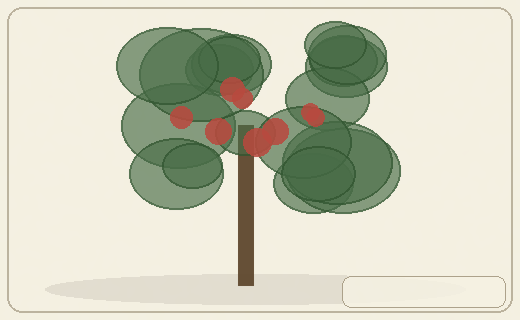
Stylized form diagram for Tamarind
Identify
Fine paired leaflets; brown brittle pods containing sticky sour pulp and hard seeds.
Habitat
African and Asian dry tropics, river valleys and old settlements.
Season
Pods dry season; wood year-round.
Field use
Pod pulp is documented food and drink flavoring; dense wood makes handles and fuel.
Caution
Seeds are extremely hard; avoid moldy pods. Acidic pulp can worsen reflux.
Look-alikes
Cassia pods and leaves differ; tamarind pods are brittle and pulp sticky.
food podhandlesfuel

Bananas and plantains

Musa spp.

Land-based edible plants
Stylized form diagram for Bananas and plantains
Identify
Large paddle leaves from layered leaf bases forming a pseudostem; hanging flower and fruit cluster.
Habitat
Tropical forest gaps, river valleys and old cultivation.
Season
Fruit and shoots year-round where warm.
Field use
Ripe fruit and cooked green fruit of known cultivars are food; leaves wrap food and shed rain; pseudostem fibers make cordage and tinder.
Caution
Wild bananas may contain many hard seeds. Sap stains and plantations are owned.
Look-alikes
Heliconia has smaller fruits and different flower bracts.
food fruitleaf wrapcordagetinder

Aquatic edibles

Water-margin food species

Papyrus

Cyperus papyrus

Water and wetland edible plants
Stylized form diagram for Papyrus
Identify
Tall triangular stems topped by a large umbrella of fine rays; leafless lower stem.
Habitat
African tropical swamps, lake margins and slow rivers.
Season
Stems year-round; young pith seasonal.
Field use
Stems make mats, floats, boats, cordage and shelter panels; tender pith has documented food use.
Caution
Water quality, crocodiles and deep mud are major risks. Other sedges are difficult to identify.
Look-alikes
Bulrush flower clusters are compact rather than a large umbrella.
floatboatbasketrycordagefood shoot

African water lilies

Nymphaea lotus / N. nouchali group

Water and wetland edible plants
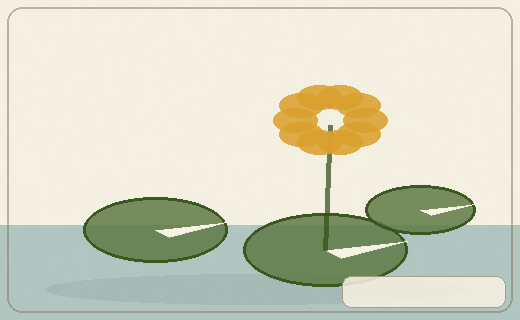
Stylized form diagram for African water lilies
Identify
Round floating leaves with a slit; showy white, blue or pink flowers; seeds and rhizomes.
Habitat
Warm African lakes, floodplains and slow rivers.
Season
Flowers and seeds seasonal; rhizomes year-round.
Field use
Seeds and rhizomes of selected species have documented food use after processing.
Caution
Raw tissues can be bitter or irritating; avoid polluted or crocodile habitat.
Look-alikes
Aquatic aroids have arrow leaves and a spadix.
food seedfood starch

Cattails

Typha spp.

Water and wetland edible plants
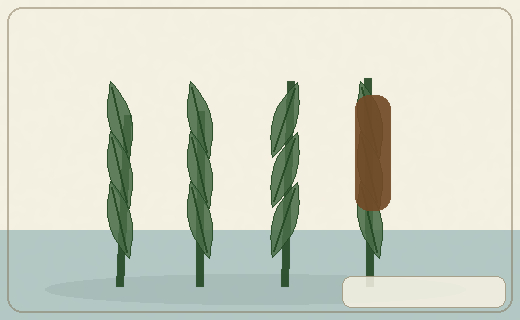
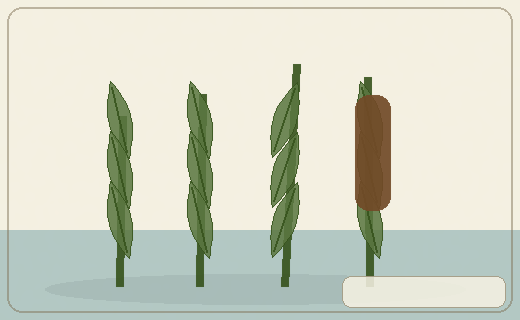
Stylized form diagram for Cattails
Identify
Tall flat strap leaves; dense brown cylindrical female flower spike below a narrower male section.
Habitat
Marshes, pond edges, slow channels and wet ditches.
Season
Shoots spring; pollen early summer; rhizomes year-round where lawful.
Field use
Documented food parts include young inner shoots, pollen and processed rhizome starch. Leaves make mats, baskets and thatch; seed down can bulk tinder.
Caution
Water can concentrate sewage, metals and parasites. Raw rhizome requires correct processing; avoid contaminated marshes.
Look-alikes
Yellow flag iris has sword leaves and showy flowers but no brown cattail head.
food shootfood starchbasketrythatchtinder

Traditional-use

Documented traditional medicine

Moringa

Moringa oleifera

Medicinal and traditional-use plants
Stylized form diagram for Moringa
Identify
Triply compound leaves; white fragrant flowers; long slender three-angled pods; soft pale wood.
Habitat
Tropical dry regions, villages and disturbed ground.
Season
Leaves much of year; pods seasonal.
Field use
Young leaves and pods are documented foods after cooking; seeds have limited water-clarification use in controlled settings.
Caution
Seeds do not disinfect water and can add organic matter. Roots and concentrated medicinal use are unsafe.
Look-alikes
Senna and other compound-leaved trees lack the long three-angled pods.
food greenfood podwater clarification

Pepper-bark tree

Warburgia salutaris

Medicinal and traditional-use plants
Stylized form diagram for Pepper-bark tree
Identify
Aromatic glossy leaves with pale undersides; rough bark; small green flowers and berries.
Habitat
Southern and East African forest margins.
Season
Leaves year-round.
Field use
Documented traditional medicinal plant and useful aromatic wood.
Caution
Critically overharvested in parts of its range. Do not strip bark or self-dose.
Look-alikes
Other aromatic trees require flower and bark confirmation.
medicinetools

African aloes

Aloe spp.

Medicinal and traditional-use plants
Stylized form diagram for African aloes
Identify
Fleshy rosette leaves with toothed margins and spikes of tubular red, orange or yellow flowers.
Habitat
African drylands, rocky slopes and fynbos.
Season
Leaves year-round; flowers seasonal.
Field use
Clear inner gel of a few correctly identified species has documented external soothing use; dry stalks are tinder.
Caution
Yellow latex under the rind is a strong laxative and can be dangerous. Species vary; do not eat aloe in the field.
Look-alikes
Agaves are New World plants with fibrous leaves and different flowers.
medicinetinder

Poisonous look-alikes

Do not eat — verify before harvest

Strophanthus

Strophanthus spp.

Poisonous plants
Stylized form diagram for Strophanthus
Identify
Woody climber with opposite leaves, showy flowers with long twisted tails and paired follicles containing tufted seeds.
Habitat
African tropical forest and woodland.
Season
Flowers and fruit seasonal.
Field use
No survival use. Historically used as arrow poison.
Caution
Cardiac glycosides can be fatal by ingestion or contamination of wounds.
Look-alikes
Other Apocynaceae vines may have milky sap and are also suspect.
poison

Rosary pea

Abrus precatorius

Poisonous plants
Stylized form diagram for Rosary pea
Identify
Slender vine with many small paired leaflets, pink pea flowers and pods exposing red-black seeds.
Habitat
Tropical and subtropical thickets and disturbed ground worldwide.
Season
Seeds seasonal.
Field use
No use. Seeds are sometimes used as beads but should not be drilled or handled by children.
Caution
Chewed or damaged seeds contain abrin and can be fatal.
Look-alikes
Other small-seeded legumes lack the distinctive red seed with black spot.
poison

Tree euphorbias

Euphorbia spp.

Poisonous plants
Stylized form diagram for Tree euphorbias
Identify
Candelabra or shrub form; milky latex; paired spines in many species; tiny flowers in specialized cups.
Habitat
African drylands, tropical scrub and disturbed ground.
Season
Year-round.
Field use
No food use; dry dead wood is not recommended for cooking fires.
Caution
Latex can cause severe burns, blindness and vomiting; smoke is irritating.
Look-alikes
Cacti lack milky latex and are native to the Americas.
poison

Toxic Strychnos vines and trees

Strychnos spp.

Poisonous plants
Stylized form diagram for Toxic Strychnos vines and trees
Identify
Opposite leaves with strong curved veins; tendrils or woody stems; round fruits vary by species.
Habitat
Tropical forest and savanna.
Season
Year-round.
Field use
No food use unless a local expert identifies a known edible species.
Caution
The genus includes plants with strychnine-type toxins. Fruit appearance is not enough to judge safety.
Look-alikes
Edible monkey oranges are region-specific Strychnos and still require expert confirmation.
poison