
Skip to content

Global Regional Plant Guides

Central Asian Steppe & Semi-Desert Plant Survival Guide

A comprehensive survival plant guide for Central Asian Steppe & Semi-Desert, covering useful woody materials, land foods, aquatic foods, traditional-use plants and poisonous look-alikes.

Cover of Central Asian Steppe & Semi-Desert Plant Survival Guide
Continent
Asia
USDA-equivalent zones
3-8
Köppen climate
BSk / BWk
Profiles
20
Regional biome
Cold steppe, saxaul desert, mountain foothill and saline lake
Download PDF (17 pages)

Print-ready · US Letter · clickable sources

Useful plants · 5Land edibles · 5Aquatic edibles · 3Traditional-use · 3Poisonous look-alikes · 4

Useful plants

Wood, fibre, shelter and craft

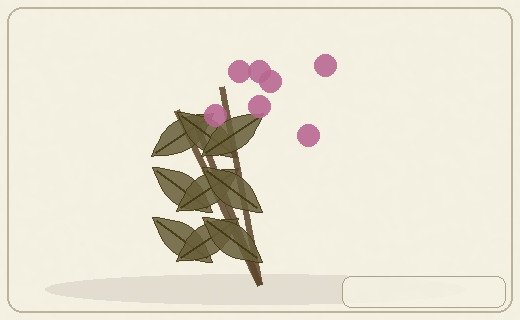
Tamarisks

Tamarix spp.
Useful plants
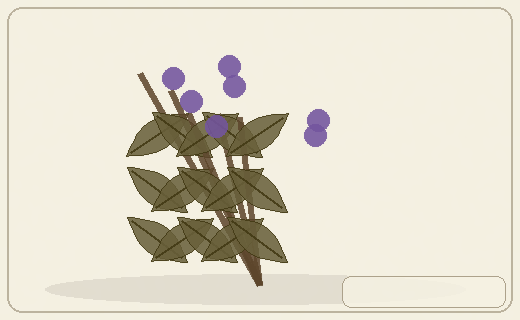
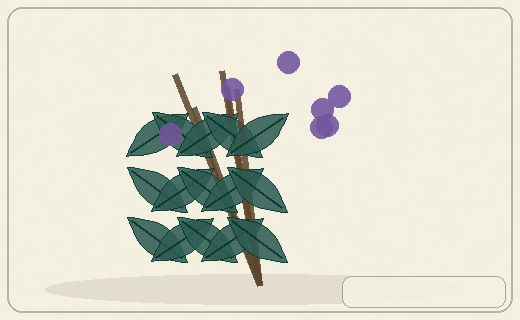
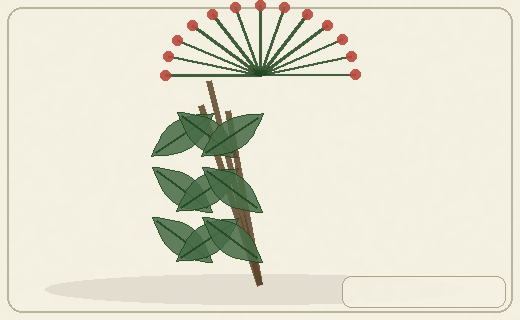
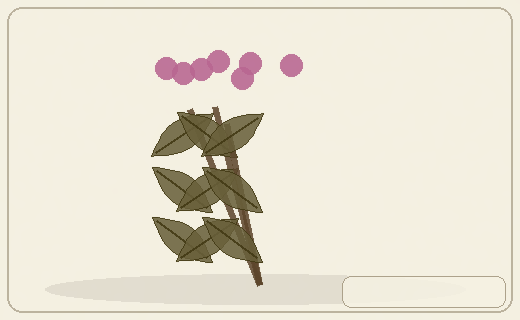
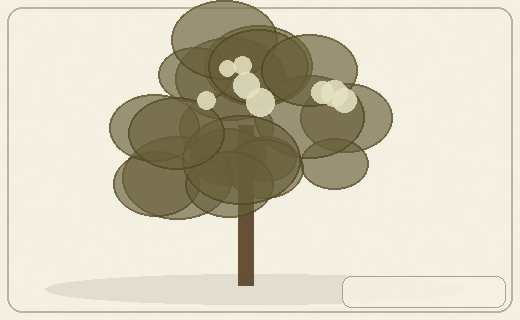
Stylized form diagram for Tamarisks
Identify
Fine scale-like leaves on feathery twigs; pink flower sprays; salt often crystallizes on foliage.
Habitat
Desert rivers, salt flats, oases and coasts.
Season
Wood year-round; flowers seasonal.
Field use
Flexible twigs for wattle, brush shelters and small fuel; dry stems tolerate saline sites.
Caution
Not a food. Invasive in many regions; salty smoke and treated control sites are concerns.
Look-alikes
Casuarina has jointed needle-like branchlets and cone-like fruits.
wattlefuelbrush
Common juniper

Juniperus communis

Useful plants
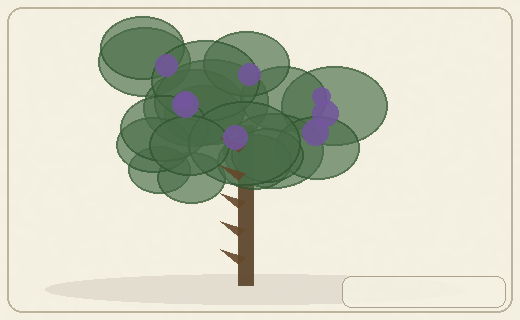
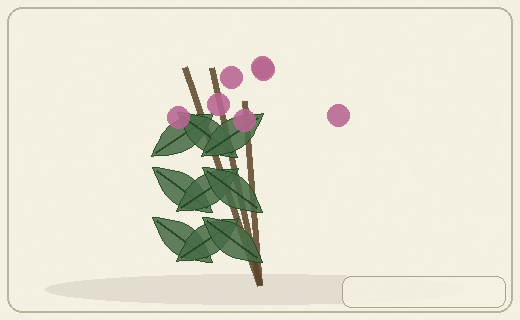
Stylized form diagram for Common juniper
Identify
Stiff sharp needles in whorls of three with one pale band; blue-black berry-like cones.
Habitat
Rocky heaths, boreal openings, mountains and steppe.
Season
Cones late summer through winter; wood year-round.
Field use
Dense aromatic wood for pegs and small tools; mature cones have limited documented culinary use.
Caution
Avoid medicinal use in pregnancy or kidney disease. Oils are concentrated and irritating.
Look-alikes
Crowberry has softer tiny leaves and glossy black fruit.
pegstinderseasoning

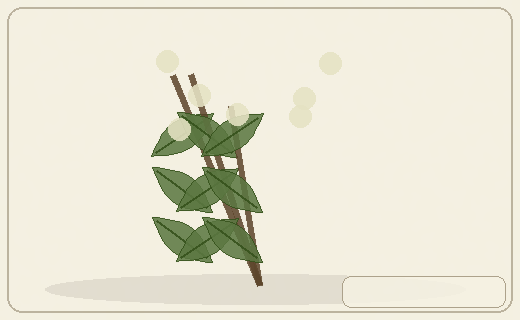
Willows

Salix spp.

Useful plants
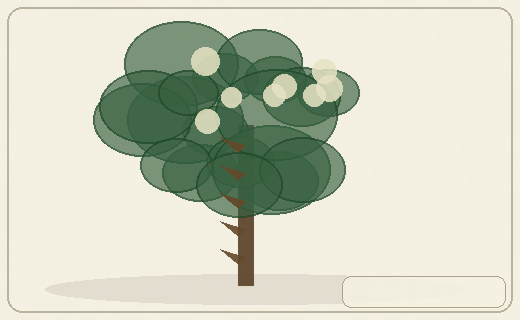
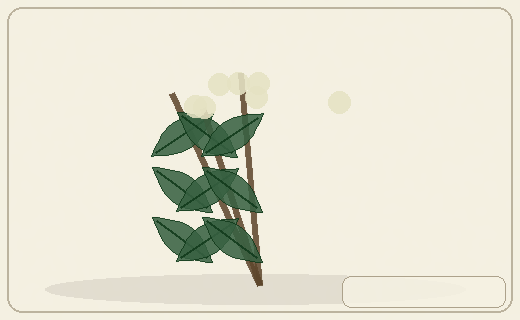
Stylized form diagram for Willows
Identify
Alternate narrow to oval leaves; flexible twigs; catkins; many species root along wet ground.
Habitat
Riverbanks, lake margins, floodplains, tundra valleys and moist forest.
Season
Twigs year-round; leaves and catkins in the growing season.
Field use
Flexible rods for baskets, fish traps, wattle, arrow shafts and repair splints. Dry punky willow and softer species can serve bow-drill hearth boards; denser pieces make spindles. Bark has documented salicylate-related traditional use.
Caution
Species identification is difficult. Do not self-dose bark with aspirin allergy, bleeding risk, kidney disease, pregnancy, or in children with viral illness.
Look-alikes
Alders have cone-like female catkins; some dogwoods have opposite leaves.
arrow shaftbow drill boardbasketrycordagemedicine

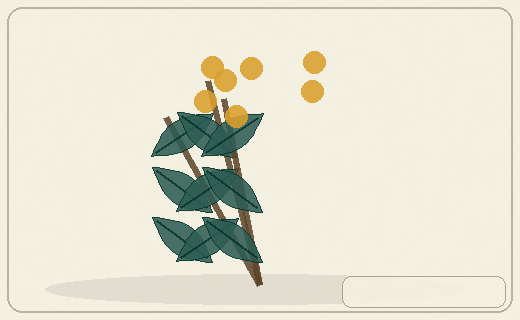
Arid acacias

Vachellia / Senegalia spp.

Useful plants
Stylized form diagram for Arid acacias
Identify
Feathery compound leaves; paired or hooked thorns; yellow or white puffball flowers; pods.
Habitat
African, Arabian and Australian savannas, dry rivers and deserts.
Season
Wood year-round; gum and pods seasonal.
Field use
Dense wood for bows, handles, stakes and hot coals; gums of selected species have documented food or adhesive use.
Caution
Species vary in cyanogenic chemistry and pod edibility. Thorns cause deep punctures.
Look-alikes
Prosopis/mesquite and other mimosoid legumes require pod and thorn comparison.
bow woodhandlesfueladhesive

Scots pine

Pinus sylvestris

Useful plants
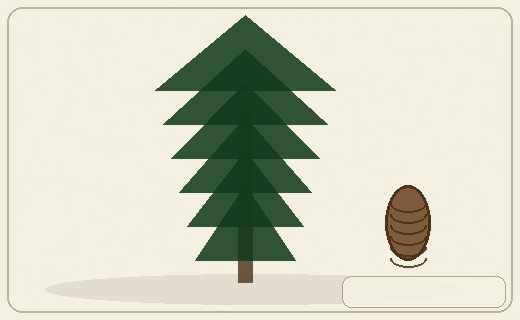
Stylized form diagram for Scots pine
Identify
Two blue-green twisted needles per bundle; orange-red upper bark; small cones.
Habitat
Dry sandy forest, continental slopes and Eurasian taiga.
Season
Year-round.
Field use
Straight poles, resin-rich kindling, durable fuel and pitchwood shavings.
Caution
Resinous wood sparks and smokes in enclosed shelters.
Look-alikes
Siberian pine has five needles per bundle.
polesfueltinderresin

Land edibles

Terrestrial food species

Chinese jujube

Ziziphus jujuba

Land-based edible plants
Stylized form diagram for Chinese jujube
Identify
Zigzag twigs with paired thorns; glossy three-veined leaves; small red-brown drupes.
Habitat
Warm temperate and dry Asian valleys, orchards and scrub.
Season
Fruit late summer-fall.
Field use
Ripe fruit is documented food fresh or dried; hard wood makes handles and pegs.
Caution
Unripe fruit is astringent; ownership and pesticide exposure matter.
Look-alikes
Other Ziziphus species vary in fruit size and thorn form.
food fruithandlespegs

Sea buckthorn

Hippophae rhamnoides

Land-based edible plants
Stylized form diagram for Sea buckthorn
Identify
Narrow silvery leaves; thorny branches; dense orange berries along stems.
Habitat
Eurasian river gravel, coastal dunes, steppe and Himalayan valleys.
Season
Fruit late summer-fall.
Field use
Ripe berries are documented food, usually diluted or cooked; straight thorny branches make pegs and barriers.
Caution
Very acidic fruit can irritate stomach; thorns are severe.
Look-alikes
Russian olive has larger silvery leaves and oval mealy fruit.
food fruitpegsbrush

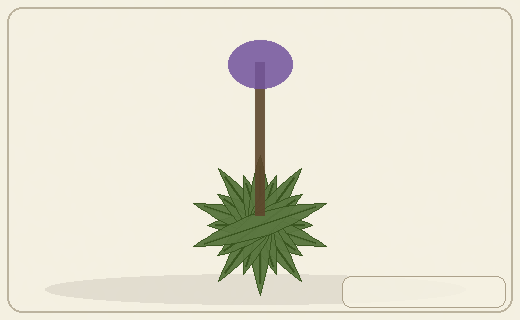
Wild onions and garlic

Allium spp.

Land-based edible plants
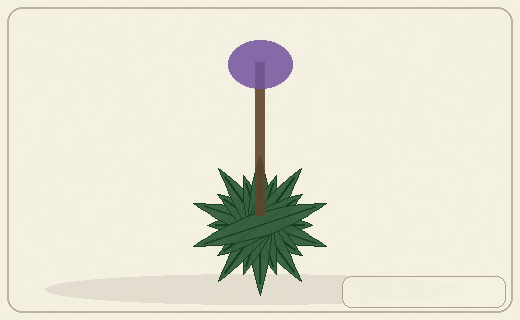
Stylized form diagram for Wild onions and garlic
Identify
Narrow leaves or hollow stems; spherical flower heads; clear onion or garlic odor in leaf and bulb.
Habitat
Meadows, rocky slopes, open woodland and stream terraces.
Season
Spring through fall.
Field use
Leaves, flowers and bulbs of positively identified Allium are documented food and seasoning.
Caution
Every sampled part must smell of onion, but odor is not the only test. Avoid unknown bulbs.
Look-alikes
Death camas lacks onion odor and can be fatal.
food greenfood bulb

Lambsquarters / goosefoot

Chenopodium album

Land-based edible plants
Stylized form diagram for Lambsquarters / goosefoot
Identify
Mealy blue-green triangular to diamond leaves; green clustered flowers; ridged stems.
Habitat
Disturbed soil, river deposits, fields and camp edges.
Season
Spring through fall.
Field use
Young leaves and seeds are documented food after correct identification and cooking.
Caution
High oxalate and nitrate levels can accumulate; avoid large amounts and contaminated ground.
Look-alikes
Black nightshade has star-shaped flowers and berries; goosefoot flowers stay green and clustered.
food greenfood seed

Common purslane

Portulaca oleracea

Land-based edible plants
Stylized form diagram for Common purslane
Identify
Low reddish succulent stems; smooth fleshy leaves; tiny yellow flowers; clear sap.
Habitat
Disturbed warm ground, gardens, river deposits and camp edges worldwide.
Season
Warm growing season.
Field use
Young leaves and stems are documented food and water-rich greens.
Caution
High oxalate content; avoid large amounts with kidney disease and avoid contaminated ground.
Look-alikes
Spurges often exude milky sap and are unsafe.
food green

Aquatic edibles

Water-margin food species

Cattails

Typha spp.

Water and wetland edible plants
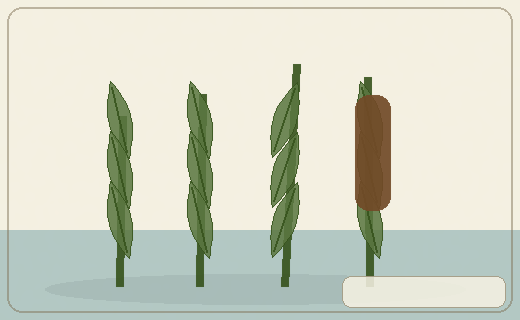
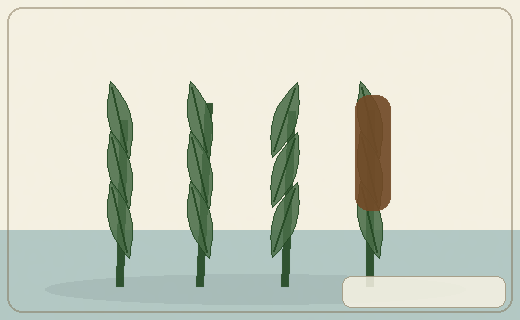
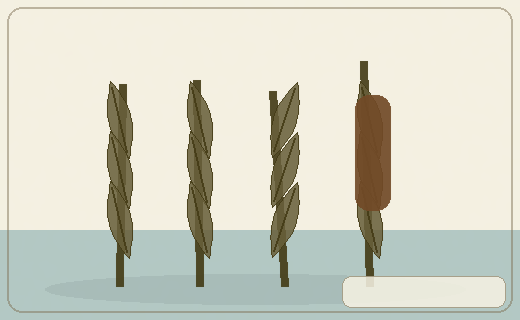
Stylized form diagram for Cattails
Identify
Tall flat strap leaves; dense brown cylindrical female flower spike below a narrower male section.
Habitat
Marshes, pond edges, slow channels and wet ditches.
Season
Shoots spring; pollen early summer; rhizomes year-round where lawful.
Field use
Documented food parts include young inner shoots, pollen and processed rhizome starch. Leaves make mats, baskets and thatch; seed down can bulk tinder.
Caution
Water can concentrate sewage, metals and parasites. Raw rhizome requires correct processing; avoid contaminated marshes.
Look-alikes
Yellow flag iris has sword leaves and showy flowers but no brown cattail head.
food shootfood starchbasketrythatchtinder

Common reed

Phragmites australis

Water and wetland edible plants
Stylized form diagram for Common reed
Identify
Tall jointed canes; broad leaves with rough margins; large feathery purple-tan panicles.
Habitat
Marshes, riverbanks, lake edges and brackish wetlands worldwide.
Season
Canes year-round; young shoots spring.
Field use
Dry canes make arrow shafts, fish spears, mats, thatch, containers and friction-fire spindles; young shoots have limited documented food use.
Caution
Invasive populations may be chemically treated. Cut cane edges are sharp; food use is excluded where water quality is uncertain.
Look-alikes
Giant reed is stouter; reed canary grass has a smaller seed head.
arrow shaftbow drill spindlethatchbasketrycontainer

Bulrushes

Schoenoplectus spp.

Water and wetland edible plants
Stylized form diagram for Bulrushes
Identify
Round or triangular mostly leafless stems; small brown flower clusters near stem tips.
Habitat
Freshwater and brackish marshes, pond edges and slow rivers.
Season
Young shoots spring; rhizomes and stems longer.
Field use
Rhizomes and young shoots have documented food use after correct species identification; stems make mats, cordage and basket frames.
Caution
Wetland contamination is a major risk. Several sedges are difficult to separate.
Look-alikes
Cattails have broad flat leaves and a brown cylinder.
food shootfood starchbasketrycordage

Traditional-use

Documented traditional medicine

Ephedra / jointfir

Ephedra spp.

Medicinal and traditional-use plants
Stylized form diagram for Ephedra / jointfir
Identify
Green jointed nearly leafless stems; small cone-like reproductive structures; woody base.
Habitat
Asian, American and Mediterranean deserts and steppe.
Season
Stems year-round.
Field use
Straight jointed stems make light tinder and have documented traditional medicinal history.
Caution
Ephedrine-type alkaloids can cause dangerous heart, blood pressure and drug effects. No self-dosing.
Look-alikes
Casuarina is a tree with many fine drooping branchlets and woody cones.
tindermedicine

Mugworts

Artemisia vulgaris complex

Medicinal and traditional-use plants
Stylized form diagram for Mugworts
Identify
Aromatic deeply lobed leaves, commonly silvery beneath; small inconspicuous flower heads.
Habitat
Disturbed ground, steppe, forest edges and riverbanks.
Season
Summer through fall.
Field use
Documented traditional uses include aromatic smoke and digestive preparations; dry stalks can be tinder.
Caution
Avoid internal use during pregnancy or with seizure disorders. Species identification is difficult.
Look-alikes
Ragweeds lack the silvery underside and have different flowers.
medicinetinder

Golden root

Rhodiola rosea and related spp.

Medicinal and traditional-use plants
Stylized form diagram for Golden root
Identify
Fleshy blue-green leaves on upright stems, yellow flower clusters and thick aromatic rhizome.
Habitat
Cold Eurasian alpine cliffs, streambanks and tundra.
Season
Summer.
Field use
Widely documented traditional-use plant.
Caution
Wild populations are vulnerable to root harvest. No field dosing; may affect mood, sleep and medications.
Look-alikes
Other Rhodiola and Sedum species are similar.
medicine

Poisonous look-alikes

Do not eat — verify before harvest

Monkshoods

Aconitum spp.

Poisonous plants
Stylized form diagram for Monkshoods
Identify
Deeply divided palmate leaves; blue, purple, yellow or white hood-shaped flowers.
Habitat
Moist mountain meadows, streambanks and cool forest.
Season
Summer.
Field use
No food or field medicinal use.
Caution
All parts contain potent aconitine-type alkaloids; ingestion can cause fatal heart and nerve effects.
Look-alikes
Larkspurs have a rear spur and are also toxic.
poison

Daturas / thorn apples

Datura spp.

Poisonous plants
Stylized form diagram for Daturas / thorn apples
Identify
Large foul-smelling leaves; upright trumpet flowers; spiny egg-shaped capsules.
Habitat
Disturbed warm ground, dry riverbeds and fields worldwide.
Season
Summer-fall.
Field use
No use.
Caution
All parts contain dangerous tropane alkaloids causing delirium, overheating, seizures and death.
Look-alikes
Brugmansia has hanging trumpets on woody shrubs and is also toxic.
poison

Water hemlocks

Cicuta spp.

Poisonous plants
Stylized form diagram for Water hemlocks
Identify
Wetland perennial with divided leaves, white umbrella flower clusters and thick chambered rootstocks.
Habitat
Marshes, wet meadows, stream edges and ditches across the northern hemisphere.
Season
Spring through fall.
Field use
No survival use. Make wetland root gathering a prohibited activity unless a qualified botanist is present.
Caution
Extremely poisonous; small amounts, especially roots, can cause violent seizures and death.
Look-alikes
Angelica, cow parsnip and other Apiaceae can look similar. Never taste to decide.
poison

False hellebores

Veratrum spp.

Poisonous plants
Stylized form diagram for False hellebores
Identify
Tall herb with broad strongly pleated leaves around a stout stem and branched greenish flower clusters.
Habitat
Wet meadows, seeps and stream margins in temperate and montane regions.
Season
Spring through summer.
Field use
No food use.
Caution
All parts are poisonous and may cause vomiting, slow heart rate, low blood pressure and collapse.
Look-alikes
Young shoots can resemble wild leek but lack onion odor and have broad pleated leaves.
poison