
Skip to content

Global Regional Plant Guides

Cape Floristic & South African Montane Plant Survival Guide

A comprehensive survival plant guide for Cape Floristic & South African Montane, covering useful woody materials, land foods, aquatic foods, traditional-use plants and poisonous look-alikes.

Cover of Cape Floristic & South African Montane Plant Survival Guide
Continent
Africa
USDA-equivalent zones
8-11
Köppen climate
Csb / Cfb
Profiles
20
Regional biome
Fynbos, renosterveld, afrotemperate forest and mountain stream
Download PDF (17 pages)

Print-ready · US Letter · clickable sources

Useful plants · 5Land edibles · 5Aquatic edibles · 3Traditional-use · 3Poisonous look-alikes · 4

Useful plants

Wood, fibre, shelter and craft

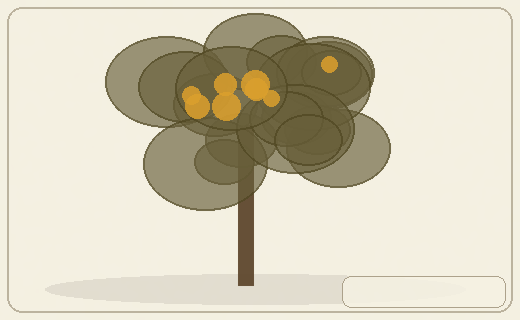
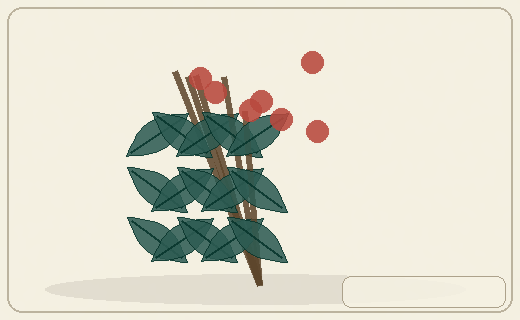
Wild olive

Olea europaea subsp. europaea var. sylvestris
Useful plants
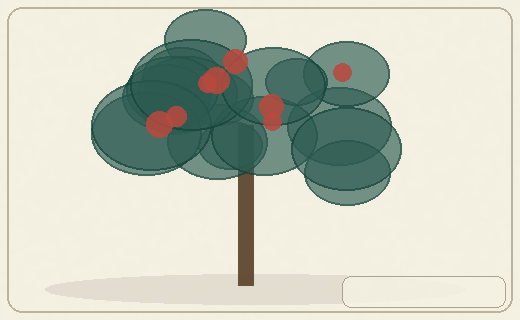
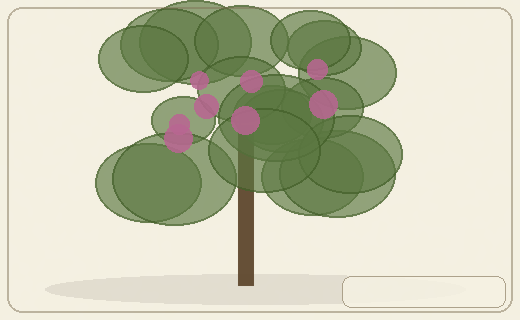
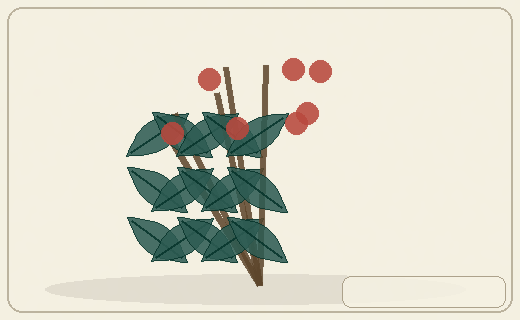
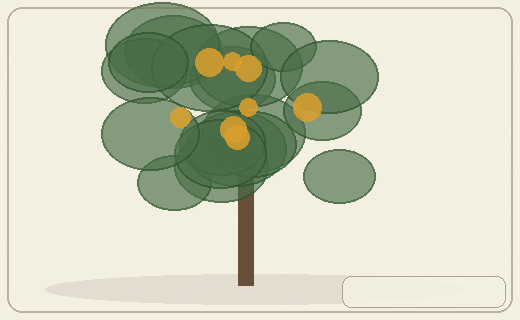
Stylized form diagram for Wild olive
Identify
Opposite narrow leathery leaves, silvery beneath; small white flowers; purple-black drupes.
Habitat
Mediterranean scrub, rocky slopes and dry woodland.
Season
Fruit autumn; wood year-round.
Field use
Dense hard wood for pegs, handles and friction-fire spindles; fruit becomes food only after controlled curing.
Caution
Raw fruit is intensely bitter; curing requires salt/water and hygiene. Do not improvise medicinal leaf extracts.
Look-alikes
Privet has broader leaves and clustered black berries.
handlesbow drill spindlefood fruit
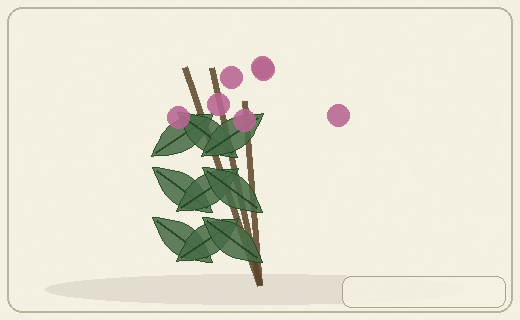
Wild raisins / Grewia

Grewia spp.

Useful plants
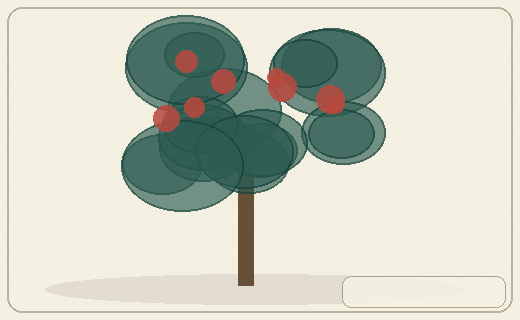
Stylized form diagram for Wild raisins / Grewia
Identify
Rough toothed leaves; small star-like flowers; lobed orange, red or brown drupes.
Habitat
African savanna, dry woodland and scrub.
Season
Fruit seasonal; stems year-round.
Field use
Ripe fruits of selected species are documented food; straight stems provide arrow shafts, bows, cordage bark and tool handles.
Caution
Species vary. Confirm fruit and leaf traits; thorny thickets can conceal snakes.
Look-alikes
Ziziphus has paired thorns and three-veined leaves.
food fruitarrow shaftbow woodcordage

Paperbarks

Melaleuca spp.

Useful plants
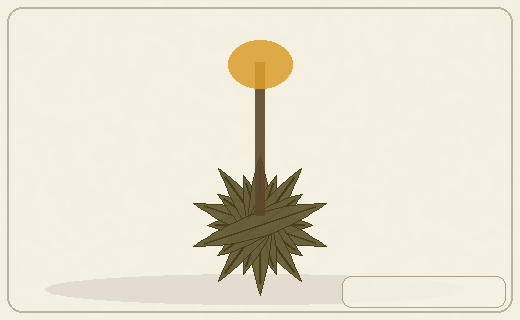
Stylized form diagram for Paperbarks
Identify
Papery layered bark; narrow oil-dotted leaves; cream bottlebrush flower spikes and woody capsules.
Habitat
Australian wetlands, monsoon forest, swamp and coast.
Season
Year-round bark and wood.
Field use
Loose outer bark is excellent tinder, wrapping and temporary waterproofing; wood makes poles and fuel; some species yield tea-tree oils.
Caution
Do not ring-bark living trees. Essential oils are concentrated and not for drinking.
Look-alikes
Eucalypts have gumnuts and different bark; bottlebrush Callistemon forms are related.
tinderwrappolesfuelmedicine

She-oaks / casuarinas

Casuarina / Allocasuarina spp.

Useful plants
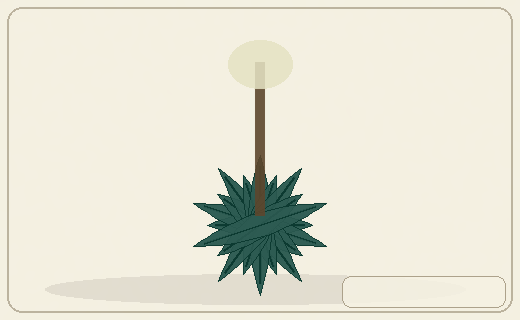
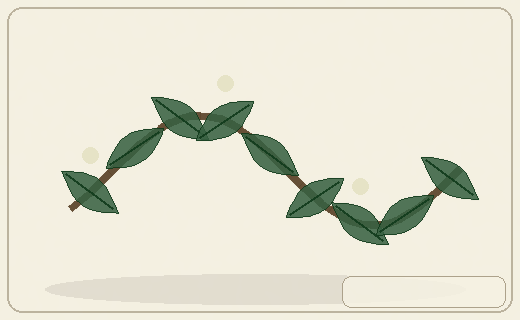
Stylized form diagram for She-oaks / casuarinas
Identify
Fine jointed needle-like branchlets; tiny scale leaves at joints; woody cone-like fruits; furrowed bark.
Habitat
Australian coast, woodland, riverbanks and Pacific shores.
Season
Wood year-round; seeds seasonal.
Field use
Dense wood for spear shafts, clubs, handles, bows and excellent coals; fine dry branchlets are tinder.
Caution
Heavy limbs fall in wind. Do not confuse branchlets with edible Ephedra.
Look-alikes
Tamarisk has finer feathery twigs and pink flowers, not woody cones.
bow woodspearhandlesfueltinder

African highland bamboo

Oldeania alpina / Oxytenanthera spp.

Useful plants
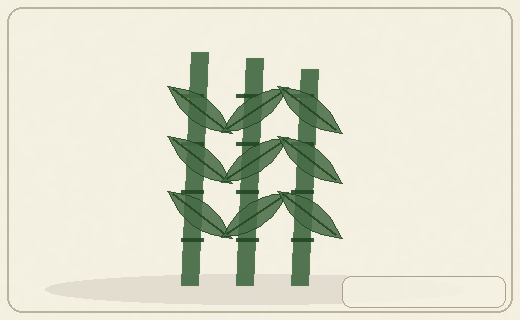
Stylized form diagram for African highland bamboo
Identify
Tall segmented culms in dense stands; narrow grass leaves; branching at nodes.
Habitat
African highlands or dry tropical woodland depending species.
Season
Culms year-round; shoots seasonal.
Field use
Shelter, containers, arrow shafts, bows, traps, friction-fire sets and cooked shoots of known species.
Caution
Shoots may contain cyanogenic compounds and require boiling; stands hide wildlife and unstable slopes.
Look-alikes
Reeds are thinner and wetland-rooted.
constructionarrow shaftbow drillcontainerfood shoot

Land edibles

Terrestrial food species

Pigface

Carpobrotus rossii and related spp.

Land-based edible plants
Stylized form diagram for Pigface
Identify
Ground-hugging succulent with triangular leaves, large daisy-like flowers and fleshy fig-like fruit.
Habitat
Australian and southern African coasts, dunes and salt spray zones.
Season
Fruit seasonal; leaves year-round.
Field use
Ripe fruit and selected leaf preparations are documented food; leaves provide moisture and have external traditional use.
Caution
Very salty or sour tissues can upset stomach. Avoid polluted beaches and hybrid plants.
Look-alikes
Other iceplants are smaller and may not share food traditions.
food fruitfood greenmedicine

Common purslane

Portulaca oleracea

Land-based edible plants
Stylized form diagram for Common purslane
Identify
Low reddish succulent stems; smooth fleshy leaves; tiny yellow flowers; clear sap.
Habitat
Disturbed warm ground, gardens, river deposits and camp edges worldwide.
Season
Warm growing season.
Field use
Young leaves and stems are documented food and water-rich greens.
Caution
High oxalate content; avoid large amounts with kidney disease and avoid contaminated ground.
Look-alikes
Spurges often exude milky sap and are unsafe.
food green

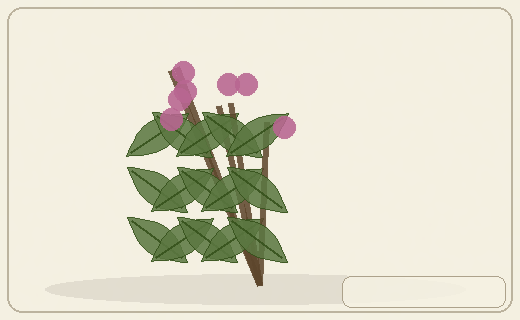
Wild roses

Rosa spp.

Land-based edible plants
Stylized form diagram for Wild roses
Identify
Prickly stems; compound toothed leaves; five-petaled flowers; red to orange hips.
Habitat
Open woods, thickets, prairie, dunes and mountain slopes.
Season
Hips late summer through winter.
Field use
Fleshy hip walls are documented food after the irritating hairs and seeds are removed; good for simmering or drying.
Caution
Internal hairs irritate skin and mouth. Avoid sprayed or moldy fruit.
Look-alikes
Hawthorn has simple lobed leaves and woody thorns.
food fruitcordage

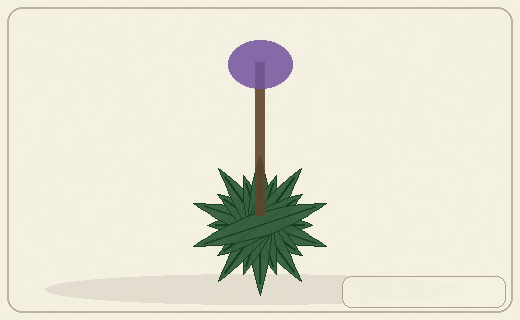
Wild onions and garlic

Allium spp.

Land-based edible plants
Stylized form diagram for Wild onions and garlic
Identify
Narrow leaves or hollow stems; spherical flower heads; clear onion or garlic odor in leaf and bulb.
Habitat
Meadows, rocky slopes, open woodland and stream terraces.
Season
Spring through fall.
Field use
Leaves, flowers and bulbs of positively identified Allium are documented food and seasoning.
Caution
Every sampled part must smell of onion, but odor is not the only test. Avoid unknown bulbs.
Look-alikes
Death camas lacks onion odor and can be fatal.
food greenfood bulb

Carob

Ceratonia siliqua

Land-based edible plants
Stylized form diagram for Carob
Identify
Leathery paired leaflets; thick dark brown flattened pods with hard seeds.
Habitat
Mediterranean woodland, rocky slopes and dry farms.
Season
Pods late summer-fall; wood year-round.
Field use
Mature pods are documented sweet food after removing hard seeds; dense wood makes handles and fuel.
Caution
Moldy pods are unsafe; seeds are hard enough to damage teeth.
Look-alikes
Honey locust pods are longer and the tree has large branched thorns.
food podhandlesfuel

Aquatic edibles

Water-margin food species

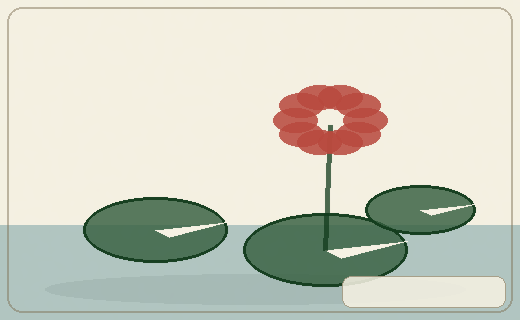
Waterblommetjie

Aponogeton distachyos

Water and wetland edible plants
Stylized form diagram for Waterblommetjie
Identify
Floating oval leaves; forked white flower spikes with dark anthers; submerged tuber.
Habitat
Seasonal ponds and slow freshwater in southwestern South Africa.
Season
Cool wet season.
Field use
Flower buds and tender stems are a documented cooked vegetable.
Caution
Only harvest in clean water and confirm the forked fragrant flower spike.
Look-alikes
Other pondweeds lack the distinctive two-branched white inflorescence.
food aquatic

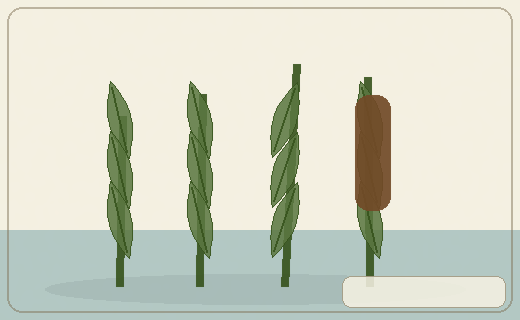
Cattails

Typha spp.

Water and wetland edible plants
Stylized form diagram for Cattails
Identify
Tall flat strap leaves; dense brown cylindrical female flower spike below a narrower male section.
Habitat
Marshes, pond edges, slow channels and wet ditches.
Season
Shoots spring; pollen early summer; rhizomes year-round where lawful.
Field use
Documented food parts include young inner shoots, pollen and processed rhizome starch. Leaves make mats, baskets and thatch; seed down can bulk tinder.
Caution
Water can concentrate sewage, metals and parasites. Raw rhizome requires correct processing; avoid contaminated marshes.
Look-alikes
Yellow flag iris has sword leaves and showy flowers but no brown cattail head.
food shootfood starchbasketrythatchtinder

Glassworts

Salicornia spp.

Water and wetland edible plants
Stylized form diagram for Glassworts
Identify
Leafless-looking jointed succulent stems; green turning red; tiny flowers embedded in segments.
Habitat
Salt marshes, saline lake margins and tidal flats worldwide.
Season
Young shoots spring-summer.
Field use
Tender tips are documented cooked greens and salt seasoning.
Caution
Very salty; use small portions and avoid sewage-contaminated marshes.
Look-alikes
Other succulent chenopods differ in branching and fruit; none should be eaten from polluted sites.
food green

Traditional-use

Documented traditional medicine

African aloes

Aloe spp.

Medicinal and traditional-use plants
Stylized form diagram for African aloes
Identify
Fleshy rosette leaves with toothed margins and spikes of tubular red, orange or yellow flowers.
Habitat
African drylands, rocky slopes and fynbos.
Season
Leaves year-round; flowers seasonal.
Field use
Clear inner gel of a few correctly identified species has documented external soothing use; dry stalks are tinder.
Caution
Yellow latex under the rind is a strong laxative and can be dangerous. Species vary; do not eat aloe in the field.
Look-alikes
Agaves are New World plants with fibrous leaves and different flowers.
medicinetinder

African wormwood

Artemisia afra

Medicinal and traditional-use plants
Stylized form diagram for African wormwood
Identify
Gray-green aromatic finely divided leaves; small inconspicuous flower heads; woody base.
Habitat
African highlands, grassland and disturbed mountain slopes.
Season
Growing season.
Field use
Widely documented traditional aromatic and respiratory use; dry stems support tinder.
Caution
No survival dosing. Concentrated oils and teas can be toxic, especially in pregnancy or seizure disorders.
Look-alikes
Other Artemisia species and unrelated gray shrubs resemble it.
medicinetinder

Pepper-bark tree

Warburgia salutaris

Medicinal and traditional-use plants
Stylized form diagram for Pepper-bark tree
Identify
Aromatic glossy leaves with pale undersides; rough bark; small green flowers and berries.
Habitat
Southern and East African forest margins.
Season
Leaves year-round.
Field use
Documented traditional medicinal plant and useful aromatic wood.
Caution
Critically overharvested in parts of its range. Do not strip bark or self-dose.
Look-alikes
Other aromatic trees require flower and bark confirmation.
medicinetools

Poisonous look-alikes

Do not eat — verify before harvest

Tree euphorbias

Euphorbia spp.

Poisonous plants
Stylized form diagram for Tree euphorbias
Identify
Candelabra or shrub form; milky latex; paired spines in many species; tiny flowers in specialized cups.
Habitat
African drylands, tropical scrub and disturbed ground.
Season
Year-round.
Field use
No food use; dry dead wood is not recommended for cooking fires.
Caution
Latex can cause severe burns, blindness and vomiting; smoke is irritating.
Look-alikes
Cacti lack milky latex and are native to the Americas.
poison

Flame lily

Gloriosa superba

Poisonous plants
Stylized form diagram for Flame lily
Identify
Climbing herb with tendril-like leaf tips and red-yellow reflexed flame-shaped flowers; underground tubers.
Habitat
African and Asian tropical grassland, thicket and forest edge.
Season
Wet season.
Field use
No food or medicine use.
Caution
All parts, especially tubers and seeds, contain colchicine-type toxins and can be fatal.
Look-alikes
Edible yams twine differently and have inconspicuous flowers.
poison

Castor bean

Ricinus communis

Poisonous plants
Stylized form diagram for Castor bean
Identify
Large star-shaped palmately lobed leaves; spiny capsules; glossy mottled seeds.
Habitat
Warm disturbed ground, riverbanks and tropical/subtropical waste areas.
Season
Growing season; seeds seasonal.
Field use
No survival food or medicine use. Oil extraction is industrial, not a field process.
Caution
Chewed seeds can release ricin and cause severe or fatal poisoning.
Look-alikes
Jatropha has similar lobed leaves but different fruit; it is also toxic.
poison

Oleander

Nerium oleander

Poisonous plants
Stylized form diagram for Oleander
Identify
Evergreen shrub with narrow leathery leaves in pairs or whorls and pink, white or red five-petaled flowers.
Habitat
Mediterranean and arid-region waterways, wadis and planted settlements.
Season
Year-round foliage.
Field use
No use.
Caution
All parts contain potent cardiac glycosides; smoke, skewers and contaminated water can be dangerous.
Look-alikes
Yellow oleander has different fruit but similar cardiac toxicity.
poison