
Skip to content

Global Regional Plant Guides

Australian Tropical North & Monsoon Savanna Plant Survival Guide

A comprehensive survival plant guide for Australian Tropical North & Monsoon Savanna, covering useful woody materials, land foods, aquatic foods, traditional-use plants and poisonous look-alikes.

Cover of Australian Tropical North & Monsoon Savanna Plant Survival Guide
Continent
Oceania
USDA-equivalent zones
11-13
Köppen climate
Aw / Am
Profiles
20
Regional biome
Eucalypt savanna, monsoon vine forest, billabong and mangrove
Download PDF (17 pages)

Print-ready · US Letter · clickable sources

Useful plants · 5Land edibles · 5Aquatic edibles · 3Traditional-use · 3Poisonous look-alikes · 4

Useful plants

Wood, fibre, shelter and craft

Eucalypts

Eucalyptus / Corymbia spp.
Useful plants
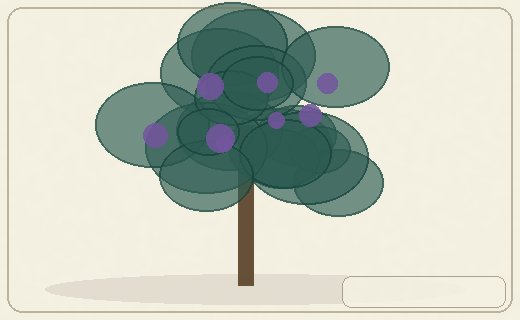
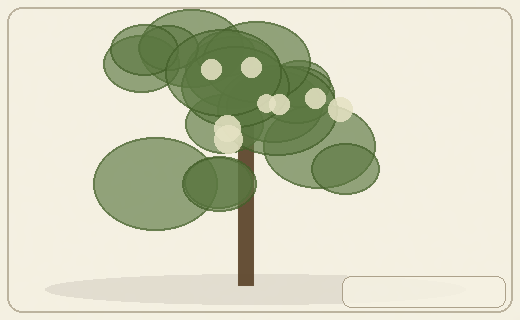
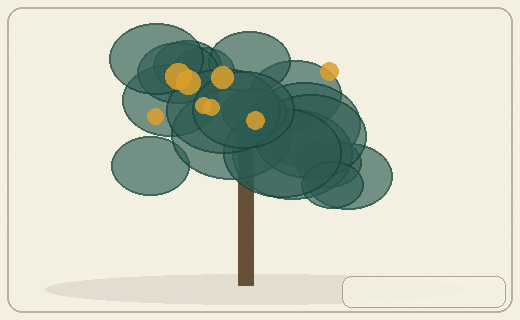
Stylized form diagram for Eucalypts
Identify
Oil-dotted aromatic leaves; bark may be smooth, fibrous, stringy or flaky; woody capsule “gumnuts.”
Habitat
Australian forests, woodland and savanna; planted worldwide.
Season
Wood and bark year-round; flowers seasonal.
Field use
Hard wood for bows, spear shafts, handles and fuel; shedding bark can be tinder; hollow limbs may hold water only after careful inspection.
Caution
Many species are extremely hard and split dangerously. Oils and leaves are not food; fire behavior is intense.
Look-alikes
Melaleuca has papery bark and bottlebrush flowers.
bow woodspearhandlesfueltinder
Paperbarks

Melaleuca spp.

Useful plants
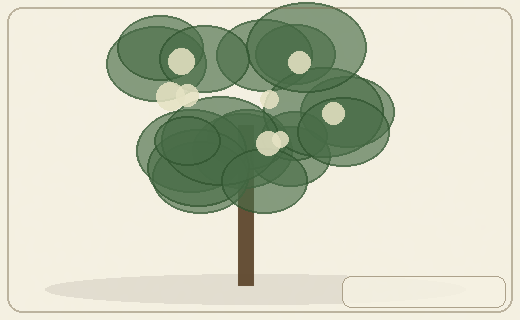
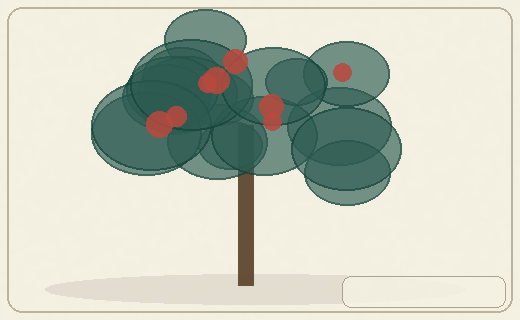
Stylized form diagram for Paperbarks
Identify
Papery layered bark; narrow oil-dotted leaves; cream bottlebrush flower spikes and woody capsules.
Habitat
Australian wetlands, monsoon forest, swamp and coast.
Season
Year-round bark and wood.
Field use
Loose outer bark is excellent tinder, wrapping and temporary waterproofing; wood makes poles and fuel; some species yield tea-tree oils.
Caution
Do not ring-bark living trees. Essential oils are concentrated and not for drinking.
Look-alikes
Eucalypts have gumnuts and different bark; bottlebrush Callistemon forms are related.
tinderwrappolesfuelmedicine

She-oaks / casuarinas

Casuarina / Allocasuarina spp.

Useful plants
Stylized form diagram for She-oaks / casuarinas
Identify
Fine jointed needle-like branchlets; tiny scale leaves at joints; woody cone-like fruits; furrowed bark.
Habitat
Australian coast, woodland, riverbanks and Pacific shores.
Season
Wood year-round; seeds seasonal.
Field use
Dense wood for spear shafts, clubs, handles, bows and excellent coals; fine dry branchlets are tinder.
Caution
Heavy limbs fall in wind. Do not confuse branchlets with edible Ephedra.
Look-alikes
Tamarisk has finer feathery twigs and pink flowers, not woody cones.
bow woodspearhandlesfueltinder
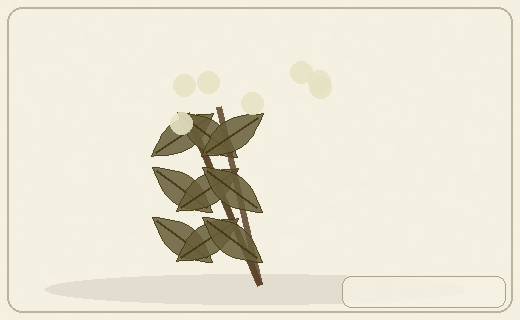
Temperate wattles

Acacia dealbata / A. melanoxylon group

Useful plants
Stylized form diagram for Temperate wattles
Identify
Flattened phyllodes or feathery leaves; yellow puffball flowers; pods; often dark hard wood.
Habitat
Australian temperate forest, heath and river valleys.
Season
Seeds seasonal; wood year-round.
Field use
Selected seeds are documented food after processing; blackwood and related species make bows, tools, handles and fuel.
Caution
Seed edibility varies widely and some wattles contain toxic compounds.
Look-alikes
Non-native acacias and bipinnate legumes require close pod and gland comparison.
food seedbow woodhandlesfuel

Grass trees

Xanthorrhoea spp.

Useful plants
Stylized form diagram for Grass trees
Identify
Dense crown of long narrow leaves above a blackened trunk; tall spear-like flower spike.
Habitat
Australian heath, sclerophyll forest and dry woodland.
Season
Leaves year-round; flower spike seasonal.
Field use
Leaf bases and resin have adhesive and fire-lighting uses; dead flower stalks make friction-fire spindles and spear shafts.
Caution
Plants are extremely slow-growing and often protected. Resin and smoke can irritate.
Look-alikes
Yucca has softer trunk forms and bell flowers; grass trees have tiny flowers on a dense spear.
adhesivetinderbow drill spindlespear

Land edibles

Terrestrial food species

Bunya pine

Araucaria bidwillii

Land-based edible plants
Stylized form diagram for Bunya pine
Identify
Massive conifer with stiff pointed leaves and enormous heavy cones containing large seeds.
Habitat
Subtropical eastern Australian rainforest and old plantings.
Season
Cones late summer; wood year-round.
Field use
Large seeds are documented food after roasting or boiling; wood has construction use.
Caution
Falling cones can kill. Trees and harvest areas may be culturally protected.
Look-alikes
Hoop pine has smaller cones and narrower leaves.
food seedconstruction

Lilly pilly group

Syzygium / Acmena spp.

Land-based edible plants
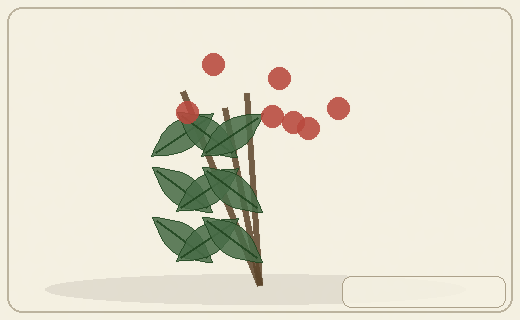
Stylized form diagram for Lilly pilly group
Identify
Opposite glossy oil-dotted leaves; brush-like white flowers; pink, red or purple fleshy fruits.
Habitat
Australian rainforest, wet forest and streams.
Season
Fruit seasonal.
Field use
Ripe fruits of confirmed species are documented food; hard wood makes pegs and handles.
Caution
Many Myrtaceae look similar. Fruit flavor varies and urban trees may be sprayed.
Look-alikes
Privets have opposite leaves but different flowers and usually black berries.
food fruitpegshandles

Bananas and plantains

Musa spp.

Land-based edible plants
Stylized form diagram for Bananas and plantains
Identify
Large paddle leaves from layered leaf bases forming a pseudostem; hanging flower and fruit cluster.
Habitat
Tropical forest gaps, river valleys and old cultivation.
Season
Fruit and shoots year-round where warm.
Field use
Ripe fruit and cooked green fruit of known cultivars are food; leaves wrap food and shed rain; pseudostem fibers make cordage and tinder.
Caution
Wild bananas may contain many hard seeds. Sap stains and plantations are owned.
Look-alikes
Heliconia has smaller fruits and different flower bracts.
food fruitleaf wrapcordagetinder

Pandanus / screw pine

Pandanus spp.

Land-based edible plants
Stylized form diagram for Pandanus / screw pine
Identify
Spiral clusters of long saw-edged leaves; prop roots; pineapple-like segmented fruits.
Habitat
Pacific and Southeast Asian coasts, swamps and volcanic islands.
Season
Fruit seasonal; leaves year-round.
Field use
Fruit keys of selected species are documented food after local processing; leaves make mats, sails, baskets and cordage.
Caution
Species and fruit processing vary; leaf edges cut skin. Some fruit is barely edible or requires cooking.
Look-alikes
Pineapples are ground rosettes and lack prop roots.
food fruitbasketrycordagethatch

Warrigal greens

Tetragonia tetragonioides

Land-based edible plants
Stylized form diagram for Warrigal greens
Identify
Spreading plant with triangular fleshy leaves and tiny yellow flowers at leaf axils.
Habitat
Australasian coasts, dunes and saline disturbed ground.
Season
Warm season.
Field use
Young leaves are documented cooked greens.
Caution
High oxalate content; blanch and discard water. Avoid polluted shorelines.
Look-alikes
Atriplex saltbushes are woody and often gray-mealy.
food green

Aquatic edibles

Water-margin food species

Cumbungi / Australian cattails

Typha domingensis / T. orientalis

Water and wetland edible plants
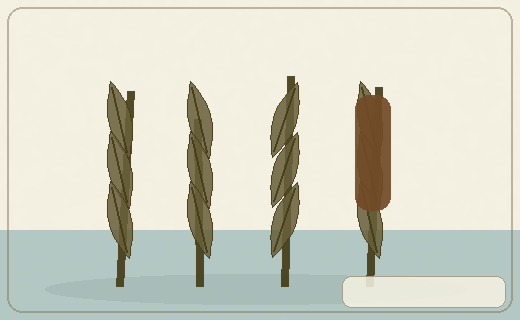
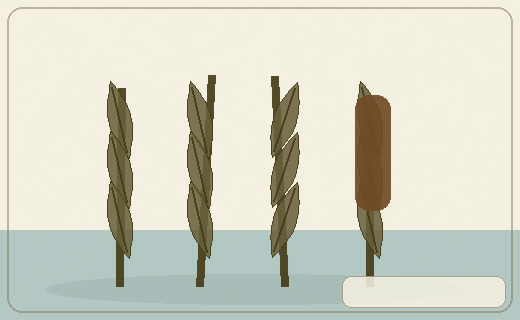
Stylized form diagram for Cumbungi / Australian cattails
Identify
Tall flat leaves and brown cylindrical flower spikes.
Habitat
Australian wetlands, billabongs and slow rivers.
Season
Shoots and pollen seasonal; rhizomes longer.
Field use
Young shoots, pollen and processed rhizome starch have documented food use; leaves make mats and tinder.
Caution
Wetland contamination and crocodile habitat are serious.
Look-alikes
Yellow flag iris lacks the brown cylinder and is toxic.
food shootfood starchbasketrytinder

Water ribbons

Triglochin procera complex

Water and wetland edible plants
Stylized form diagram for Water ribbons
Identify
Long ribbon leaves in freshwater; flower stalks with many small green flowers; underground tubers.
Habitat
Australian freshwater lakes, swamps and slow rivers.
Season
Tubers and leaf bases seasonal.
Field use
Tubers and tender parts have documented Aboriginal food use after appropriate cooking.
Caution
Taxonomy is complex and wetland contamination matters. Do not confuse with toxic arrowgrass relatives.
Look-alikes
Other Triglochin species may contain cyanogenic compounds.
food tuber

Black mangroves

Avicennia spp.

Water and wetland edible plants
Stylized form diagram for Black mangroves
Identify
Opposite gray-green leaves, salt crystals often visible; many upright pencil-like pneumatophores around the trunk.
Habitat
Tropical and subtropical intertidal flats.
Season
Year-round.
Field use
Wood for fuel and small poles; leaves and bark have documented regional uses; habitats support shellfish and fish.
Caution
Seeds of some species require extensive traditional leaching and are not recommended without local expertise. Tides and mud are hazardous.
Look-alikes
Red mangroves have arching stilt roots and long propagules.
fuelpoleshabitat

Traditional-use

Documented traditional medicine

Tea trees

Melaleuca alternifolia and related spp.

Medicinal and traditional-use plants
Stylized form diagram for Tea trees
Identify
Narrow oil-dotted leaves; papery bark; white flower spikes; small woody capsules.
Habitat
Australian wetlands and stream flats.
Season
Leaves and bark year-round.
Field use
Papery bark is tinder and wrapping; leaves have documented external traditional uses and commercial oil production.
Caution
Essential oil is toxic if swallowed and can burn skin undiluted.
Look-alikes
Other Melaleuca species vary; not all oils have the same chemistry.
tinderwrapmedicine

Lemon myrtle

Backhousia citriodora

Medicinal and traditional-use plants
Stylized form diagram for Lemon myrtle
Identify
Opposite glossy leaves with strong lemon scent when crushed; cream brush flowers.
Habitat
Subtropical Australian rainforest and edges.
Season
Leaves year-round.
Field use
Leaves are documented seasoning and aromatic traditional-use material; wood provides light tools.
Caution
Do not ingest essential oil. Confirm species before using strongly aromatic leaves.
Look-alikes
Lemon-scented gum has alternate adult leaves and gumnuts.
seasoningmedicinetools

African aloes

Aloe spp.

Medicinal and traditional-use plants
Stylized form diagram for African aloes
Identify
Fleshy rosette leaves with toothed margins and spikes of tubular red, orange or yellow flowers.
Habitat
African drylands, rocky slopes and fynbos.
Season
Leaves year-round; flowers seasonal.
Field use
Clear inner gel of a few correctly identified species has documented external soothing use; dry stalks are tinder.
Caution
Yellow latex under the rind is a strong laxative and can be dangerous. Species vary; do not eat aloe in the field.
Look-alikes
Agaves are New World plants with fibrous leaves and different flowers.
medicinetinder

Poisonous look-alikes

Do not eat — verify before harvest

Gympie-gympie

Dendrocnide moroides

Poisonous plants
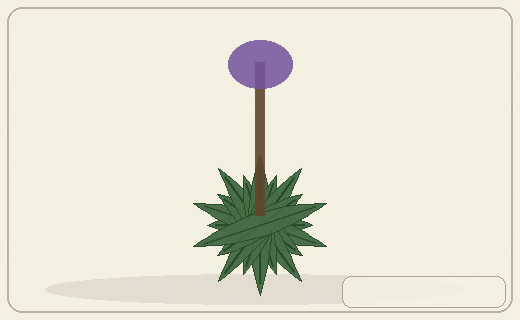
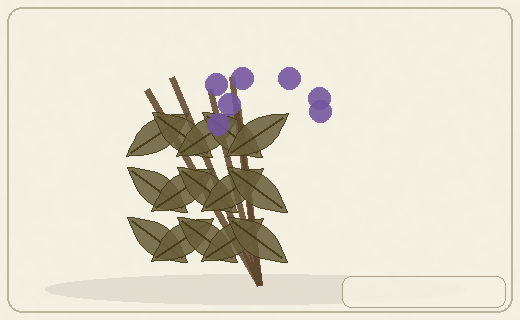
Stylized form diagram for Gympie-gympie
Identify
Shrub or small tree with broad heart-shaped leaves densely covered in fine stinging hairs; small berry-like fruits.
Habitat
Northeastern Australian rainforest gaps and tracks.
Season
Year-round.
Field use
No use.
Caution
Contact can cause extreme pain lasting days to months; airborne hairs irritate eyes and lungs.
Look-alikes
Other nettle trees sting but may have narrower leaves.
poison

Australian cycads

Macrozamia / Cycas spp.

Poisonous plants
Stylized form diagram for Australian cycads
Identify
Crown of stiff pinnate leaves; exposed cones or large seeds; stout trunk or underground stem.
Habitat
Australian forest, woodland and desert ranges.
Season
Seeds seasonal.
Field use
No survival food use in this guide. Leaves have limited thatch value.
Caution
Seeds and tissues contain powerful toxins. Traditional detoxification is complex and failure can be fatal or neurotoxic.
Look-alikes
True palms have flowers and enclosed fruits, not cycad cones.
poison

Native tobacco

Nicotiana spp.

Poisonous plants
Stylized form diagram for Native tobacco
Identify
Sticky or gray-green leaves; tubular flowers; capsules with many tiny seeds.
Habitat
Australian arid and disturbed ground; also worldwide tobacco relatives.
Season
Growing season.
Field use
No food or field medicine use.
Caution
Nicotine and related alkaloids can cause vomiting, seizures, breathing failure and death.
Look-alikes
Some edible greens have similar soft leaves but lack tubular flowers.
poison

Castor bean

Ricinus communis

Poisonous plants
Stylized form diagram for Castor bean
Identify
Large star-shaped palmately lobed leaves; spiny capsules; glossy mottled seeds.
Habitat
Warm disturbed ground, riverbanks and tropical/subtropical waste areas.
Season
Growing season; seeds seasonal.
Field use
No survival food or medicine use. Oil extraction is industrial, not a field process.
Caution
Chewed seeds can release ricin and cause severe or fatal poisoning.
Look-alikes
Jatropha has similar lobed leaves but different fruit; it is also toxic.
poison