
Skip to content

Global Regional Plant Guides

Atlantic Forest & Araucaria Highlands Plant Survival Guide

A comprehensive survival plant guide for Atlantic Forest & Araucaria Highlands, covering useful woody materials, land foods, aquatic foods, traditional-use plants and poisonous look-alikes.

Cover of Atlantic Forest & Araucaria Highlands Plant Survival Guide
Continent
South America
USDA-equivalent zones
8-11
Köppen climate
Cfa / Cfb
Profiles
20
Regional biome
Subtropical rainforest, araucaria plateau and river forest
Download PDF (17 pages)

Print-ready · US Letter · clickable sources

Useful plants · 5Land edibles · 5Aquatic edibles · 3Traditional-use · 3Poisonous look-alikes · 4

Useful plants

Wood, fibre, shelter and craft

Monkey puzzle / parana pine

Araucaria araucana / A. angustifolia
Useful plants
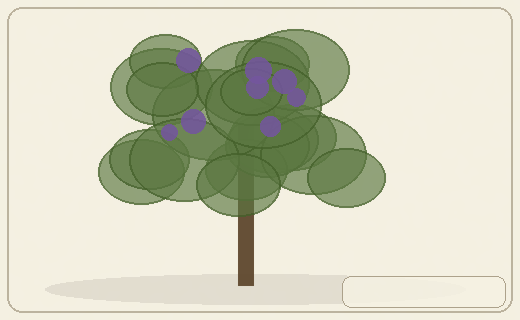
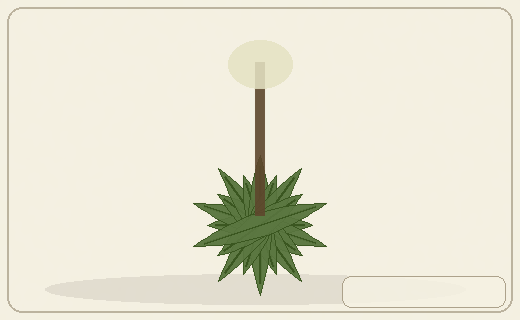
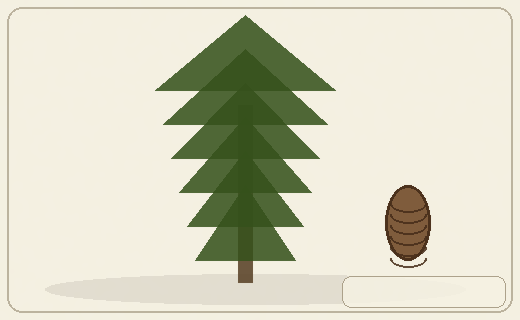
Stylized form diagram for Monkey puzzle / parana pine
Identify
Tall conifer with stiff overlapping scale leaves and very large globose cones producing large seeds.
Habitat
Andean volcanic forest or Atlantic highland araucaria forest, depending species.
Season
Seeds late summer-fall; wood year-round.
Field use
Large seeds are documented food after cooking; strong straight wood has construction history.
Caution
Trees are protected or culturally important in many places. Falling cones are dangerous.
Look-alikes
Other Araucaria species differ in leaf and cone form.
food seedconstructionfuel
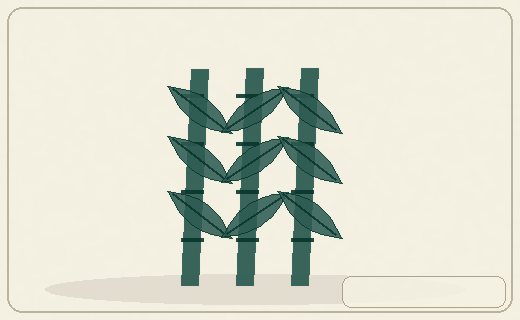
South American mountain bamboo

Chusquea spp.

Useful plants
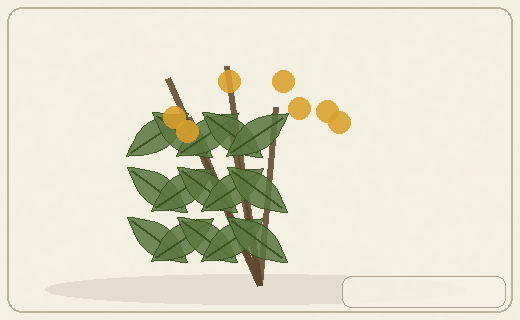
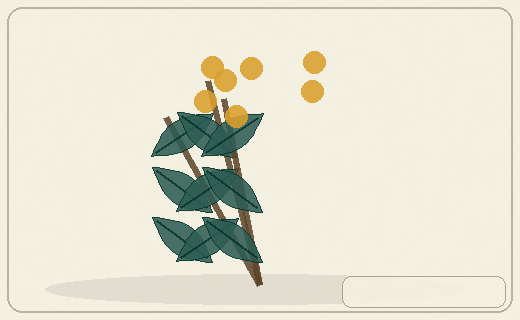
Stylized form diagram for South American mountain bamboo
Identify
Solid or nearly solid segmented culms; dense branching at nodes; narrow grass leaves.
Habitat
Andean and Atlantic montane forest, often forming thickets.
Season
Culms year-round; shoots seasonal.
Field use
Arrow shafts, basketry, shelter lattice, containers and friction-fire spindles; shoots of selected species require expert preparation.
Caution
Dense thickets hide cliffs and animals. Some bamboos flower and die en masse.
Look-alikes
Reeds are hollow and rooted in wetlands rather than woody mountain thickets.
arrow shaftbasketryconstructionbow drill spindle

Southern beeches

Nothofagus spp.

Useful plants
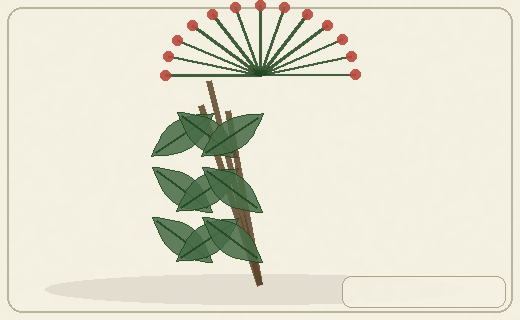
Stylized form diagram for Southern beeches
Identify
Small alternate toothed leaves; tiny nuts in cupules; bark and leaf persistence vary by species.
Habitat
Patagonian, Andean and Australasian temperate forest.
Season
Wood year-round; leaves and nuts seasonal.
Field use
Dense wood for poles, pegs, handles and fuel; forest type helps read moisture and elevation.
Caution
Old trees may be protected and dead stems can be internally rotten. Nuts are too small to be a dependable food.
Look-alikes
Myrtle-family trees often have opposite leaves and aromatic oil dots.
polesfuelhandlespegs

Alders

Alnus spp.

Useful plants
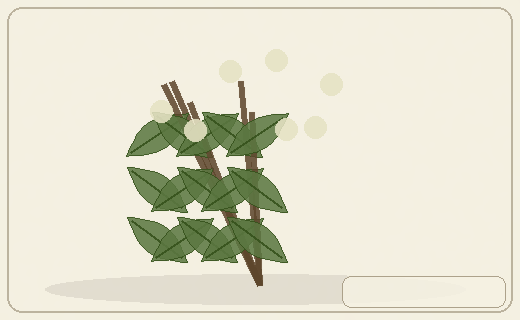
Stylized form diagram for Alders
Identify
Oval toothed leaves; catkins; woody cone-like female structures persist through winter.
Habitat
Wet thickets, streambanks, avalanche tracks and disturbed forest.
Season
Wood year-round; leaves growing season.
Field use
Straight stems for racks and wattle; seasoned alder burns evenly and is widely used as smoking wood.
Caution
Wet alder smokes heavily; dense thickets can hide unstable banks.
Look-alikes
Birch lacks persistent woody cones.
poleswattlefuelsmoking

Dogwoods

Cornus spp.

Useful plants
Stylized form diagram for Dogwoods
Identify
Usually opposite branching; arcuate leaf veins curve toward the tip; clustered flowers and drupes.
Habitat
Forest edge, riparian thicket and mountain slope.
Season
Stems year-round; fruit varies by species.
Field use
Dense straight shoots make excellent arrow shafts, skewers and pegs.
Caution
Fruit edibility varies greatly; some species cause stomach upset. Use as material unless species is confirmed.
Look-alikes
Viburnums may have opposite leaves but different veins and buds.
arrow shaftpegsskewers

Land edibles

Terrestrial food species

Maqui

Aristotelia chilensis

Land-based edible plants
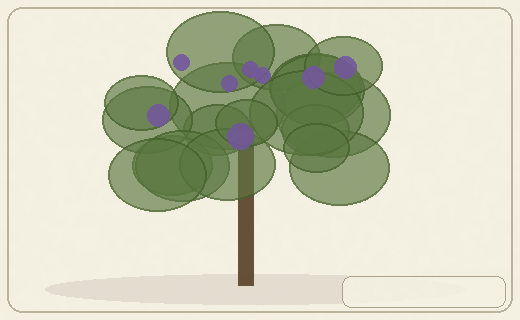
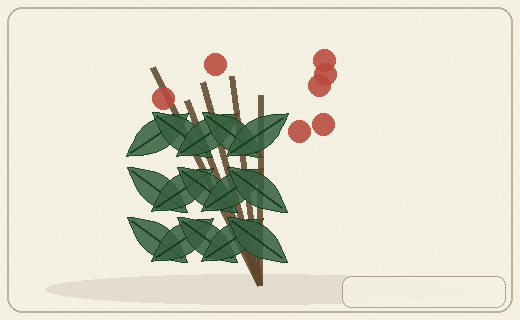
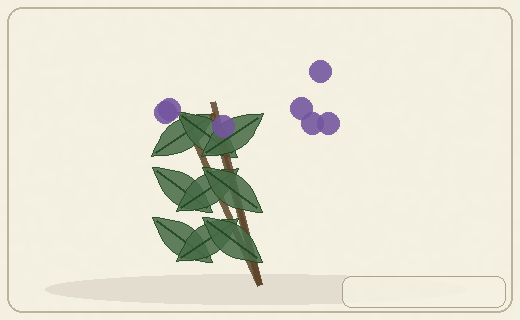
Stylized form diagram for Maqui
Identify
Opposite or nearly opposite toothed leaves, reddish petioles and clusters of small purple-black berries.
Habitat
Patagonian and Chilean forest edge, disturbed ground and streams.
Season
Fruit late summer-fall.
Field use
Ripe berries are documented food and can be dried or cooked.
Caution
Avoid roadside or sprayed plants; concentrated extracts are not field medicine.
Look-alikes
Elder has compound leaves and flat fruit clusters.
food fruit

Wild passionfruits

Passiflora spp.

Land-based edible plants
Stylized form diagram for Wild passionfruits
Identify
Tendrilled vine; distinctive radial flowers; round to oval fruits; leaves often lobed.
Habitat
Tropical and subtropical forest edge, thicket and riverbank.
Season
Fruit seasonal.
Field use
Fully ripe fruit of confirmed edible species is documented food; vines can provide temporary lashings.
Caution
Many species have cyanogenic leaves or unpalatable fruit. Eat only known ripe fruit, not unknown foliage.
Look-alikes
Cucurbit vines have separate flower structure and rough stems.
food fruitlashing

Guava

Psidium guajava

Land-based edible plants
Stylized form diagram for Guava
Identify
Opposite oval leaves with strong parallel side veins; smooth peeling bark; white brush flowers; aromatic fruit.
Habitat
Tropical and subtropical disturbed ground, forest edge and river terraces.
Season
Fruit varies by climate; wood year-round.
Field use
Ripe fruit is documented food; hard close-grained wood makes pegs, handles and friction-fire spindles.
Caution
Fruit can host insects and feral plants may be sprayed. Leaves are not a substitute for medical care.
Look-alikes
Other Myrtaceae share opposite leaves; fruit odor and flower structure help confirm.
food fruithandlesbow drill spindle

Wild roses

Rosa spp.

Land-based edible plants
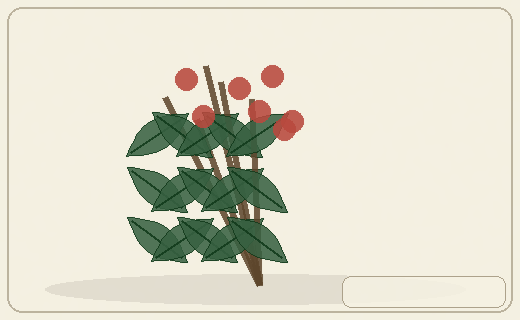
Stylized form diagram for Wild roses
Identify
Prickly stems; compound toothed leaves; five-petaled flowers; red to orange hips.
Habitat
Open woods, thickets, prairie, dunes and mountain slopes.
Season
Hips late summer through winter.
Field use
Fleshy hip walls are documented food after the irritating hairs and seeds are removed; good for simmering or drying.
Caution
Internal hairs irritate skin and mouth. Avoid sprayed or moldy fruit.
Look-alikes
Hawthorn has simple lobed leaves and woody thorns.
food fruitcordage

Stinging nettle

Urtica dioica

Land-based edible plants
Stylized form diagram for Stinging nettle
Identify
Opposite sharply toothed leaves; fibrous stems; translucent stinging hairs; green flower clusters.
Habitat
Rich disturbed soil, river terraces, old camps and forest openings.
Season
Young tops spring; fiber later.
Field use
Young tops are documented food after thorough cooking or drying; mature stems yield strong bast fiber.
Caution
Wear gloves; do not eat raw. Internal use can affect medicines and kidney conditions.
Look-alikes
Dead-nettles do not sting and have showier mint-family flowers.
food greencordagefiber

Aquatic edibles

Water-margin food species

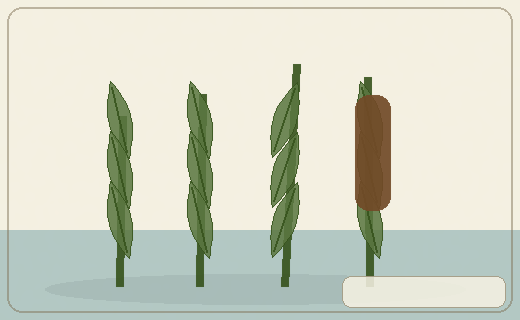
Cattails

Typha spp.

Water and wetland edible plants
Stylized form diagram for Cattails
Identify
Tall flat strap leaves; dense brown cylindrical female flower spike below a narrower male section.
Habitat
Marshes, pond edges, slow channels and wet ditches.
Season
Shoots spring; pollen early summer; rhizomes year-round where lawful.
Field use
Documented food parts include young inner shoots, pollen and processed rhizome starch. Leaves make mats, baskets and thatch; seed down can bulk tinder.
Caution
Water can concentrate sewage, metals and parasites. Raw rhizome requires correct processing; avoid contaminated marshes.
Look-alikes
Yellow flag iris has sword leaves and showy flowers but no brown cattail head.
food shootfood starchbasketrythatchtinder

Watercress

Nasturtium officinale

Water and wetland edible plants
Stylized form diagram for Watercress
Identify
Creeping hollow stems; pinnate leaves with a larger rounded terminal leaflet; small white four-petaled flowers.
Habitat
Cold flowing springs and streams, often where nutrient-rich.
Season
Cool seasons.
Field use
Tender tops are documented food and are usually cooked in survival settings.
Caution
Raw watercress can carry liver flukes and sewage pathogens. Avoid downstream of livestock, roads or settlements.
Look-alikes
Water hemlock has divided leaves and umbrella flowers; never rely on habitat alone.
food green

Temperate water lilies

Nymphaea / Nuphar spp.

Water and wetland edible plants
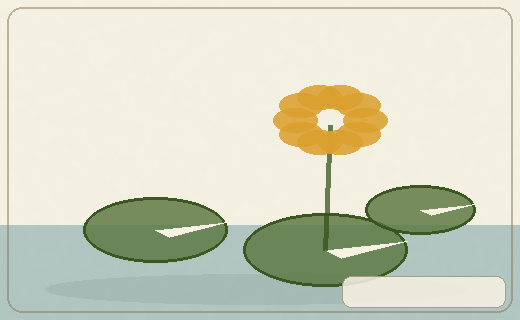
Stylized form diagram for Temperate water lilies
Identify
Round floating leaves with a slit; solitary flowers; thick rhizomes anchored in sediment.
Habitat
Ponds, lakes and slow river backwaters.
Season
Flowers summer; rhizomes year-round.
Field use
Seeds and rhizomes of selected species have documented food use after intensive species-specific processing.
Caution
Raw rhizomes can be bitter or irritating; water quality and correct genus matter. Do not confuse with toxic aquatic aroids.
Look-alikes
Lotus leaves are peltate and rise above water; water lily leaves usually float and are not fully circular.
food seedfood starch

Traditional-use

Documented traditional medicine

Yarrow

Achillea millefolium

Medicinal and traditional-use plants
Stylized form diagram for Yarrow
Identify
Aromatic finely divided leaves; flat clusters of small white to pink flower heads.
Habitat
Dry openings, trails, grassland, shore gravel and disturbed soil.
Season
Summer through fall.
Field use
Documented traditional external uses include washes and aromatic preparations; dry flower heads make light tinder.
Caution
Possible allergy, pregnancy and anticoagulant concerns. Not a substitute for wound cleaning or medical care.
Look-alikes
Poison hemlock is much taller with hollow purple-spotted stems and true umbels.
medicinetinder

Broadleaf and ribwort plantains

Plantago major / P. lanceolata

Medicinal and traditional-use plants
Stylized form diagram for Broadleaf and ribwort plantains
Identify
Basal rosette with strong parallel ribs; leafless spikes of tiny flowers and seeds.
Habitat
Trails, camps, meadows and disturbed soil.
Season
Spring through fall.
Field use
Young leaves and seeds are documented food; clean leaves have traditional external use on minor irritation.
Caution
Do not put dirty leaves on open wounds. Seeds swell with water and can obstruct if taken dry in quantity.
Look-alikes
Docks have netted veins; plantain ribs run from the base.
food greenmedicine

Mugworts

Artemisia vulgaris complex

Medicinal and traditional-use plants
Stylized form diagram for Mugworts
Identify
Aromatic deeply lobed leaves, commonly silvery beneath; small inconspicuous flower heads.
Habitat
Disturbed ground, steppe, forest edges and riverbanks.
Season
Summer through fall.
Field use
Documented traditional uses include aromatic smoke and digestive preparations; dry stalks can be tinder.
Caution
Avoid internal use during pregnancy or with seizure disorders. Species identification is difficult.
Look-alikes
Ragweeds lack the silvery underside and have different flowers.
medicinetinder

Poisonous look-alikes

Do not eat — verify before harvest

Water hemlocks

Cicuta spp.

Poisonous plants
Stylized form diagram for Water hemlocks
Identify
Wetland perennial with divided leaves, white umbrella flower clusters and thick chambered rootstocks.
Habitat
Marshes, wet meadows, stream edges and ditches across the northern hemisphere.
Season
Spring through fall.
Field use
No survival use. Make wetland root gathering a prohibited activity unless a qualified botanist is present.
Caution
Extremely poisonous; small amounts, especially roots, can cause violent seizures and death.
Look-alikes
Angelica, cow parsnip and other Apiaceae can look similar. Never taste to decide.
poison

Angel’s trumpet

Brugmansia spp.

Poisonous plants
Stylized form diagram for Angel’s trumpet
Identify
Woody shrub or small tree with very large hanging trumpet flowers and soft leaves.
Habitat
Andean and tropical American disturbed forest and cultivation.
Season
Year-round in warm climates.
Field use
No use.
Caution
All parts contain dangerous tropane alkaloids causing delirium, overheating, seizures and death.
Look-alikes
Datura has upright trumpets and spiny capsules but is equally toxic.
poison

Castor bean

Ricinus communis

Poisonous plants
Stylized form diagram for Castor bean
Identify
Large star-shaped palmately lobed leaves; spiny capsules; glossy mottled seeds.
Habitat
Warm disturbed ground, riverbanks and tropical/subtropical waste areas.
Season
Growing season; seeds seasonal.
Field use
No survival food or medicine use. Oil extraction is industrial, not a field process.
Caution
Chewed seeds can release ricin and cause severe or fatal poisoning.
Look-alikes
Jatropha has similar lobed leaves but different fruit; it is also toxic.
poison

Foxglove

Digitalis purpurea

Poisonous plants
Stylized form diagram for Foxglove
Identify
Tall spike of purple, pink or white tubular flowers with spotted throats; soft wrinkled basal leaves.
Habitat
Roadsides, clearings, old farms and disturbed temperate ground.
Season
Late spring through summer.
Field use
No field medicinal use.
Caution
All parts contain potent cardiac glycosides and can cause life-threatening rhythm disturbances.
Look-alikes
First-year rosettes can resemble comfrey or mullein.
poison