
Skip to content

Global Regional Plant Guides

Amazon Lowland Rainforest & Floodplain Plant Survival Guide

A comprehensive survival plant guide for Amazon Lowland Rainforest & Floodplain, covering useful woody materials, land foods, aquatic foods, traditional-use plants and poisonous look-alikes.

Cover of Amazon Lowland Rainforest & Floodplain Plant Survival Guide
Continent
South America
USDA-equivalent zones
11-13
Köppen climate
Af / Am
Profiles
20
Regional biome
Terra firme forest, varzea, igapo and river margin
Download PDF (17 pages)

Print-ready · US Letter · clickable sources

Useful plants · 5Land edibles · 5Aquatic edibles · 3Traditional-use · 3Poisonous look-alikes · 4

Useful plants

Wood, fibre, shelter and craft

Guadua bamboo

Guadua angustifolia and related spp.
Useful plants
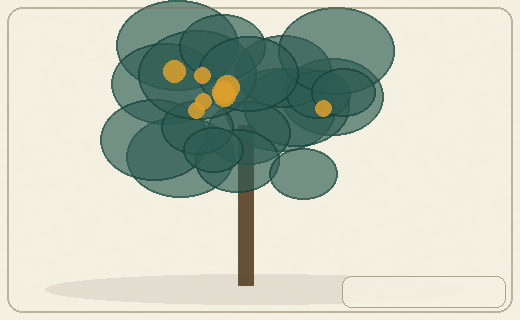
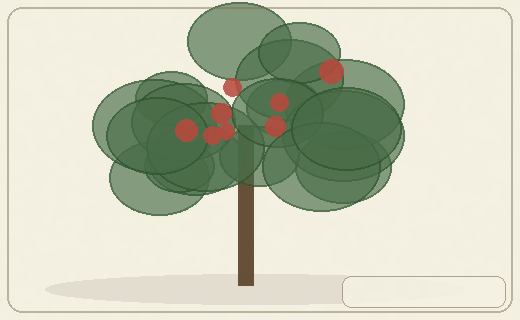
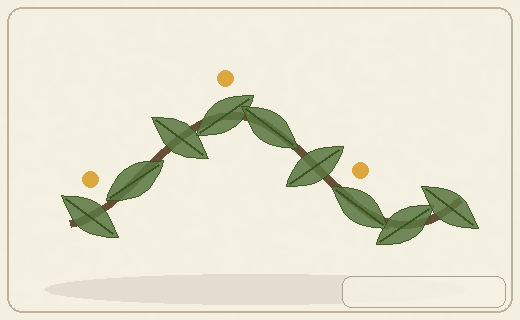
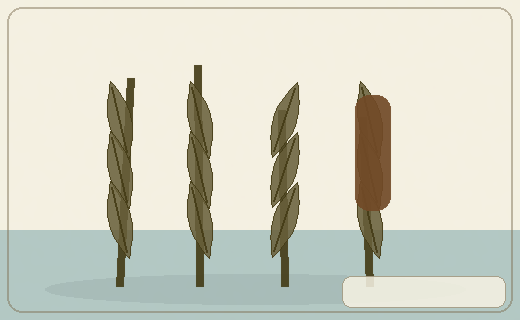
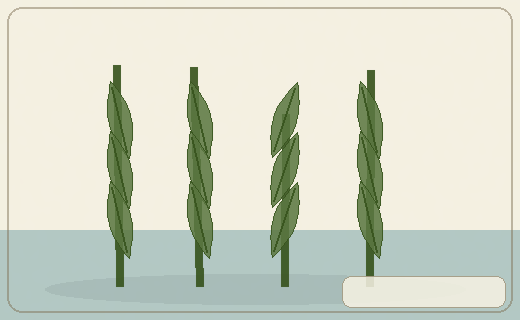
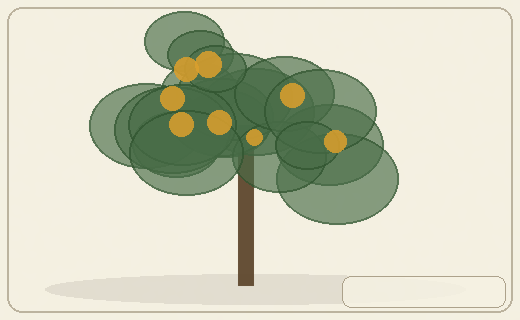
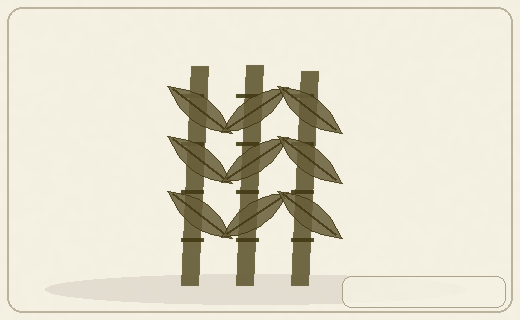
Stylized form diagram for Guadua bamboo
Identify
Large hollow segmented culms; branch thorns in some species; broad grass leaves.
Habitat
Tropical American riverbanks, foothills and disturbed forest.
Season
Culms year-round; shoots rainy season.
Field use
Exceptional material for shelter, containers, water tubes, traps, arrow shafts, bows in laminated designs and friction-fire sets; young shoots of selected species require boiling.
Caution
Fresh culms can split explosively in fire. Species and shoot cyanide levels vary.
Look-alikes
Woody reeds are smaller and lack robust branching culms.
constructioncontainerarrow shaftbow drillfood shoot
Kapok / ceiba

Ceiba pentandra

Useful plants
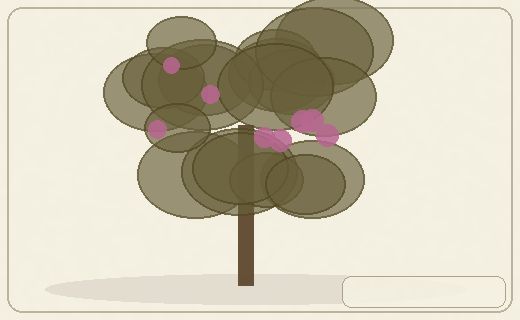
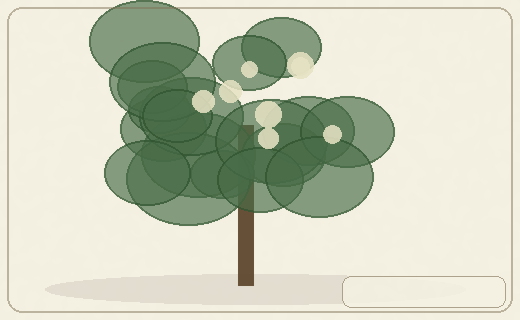
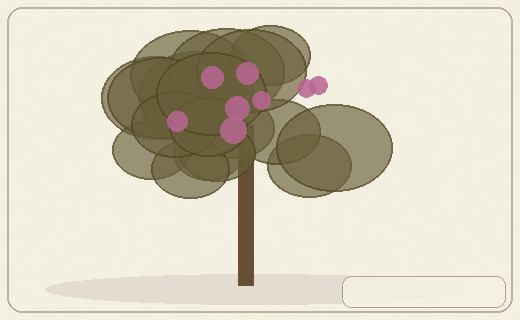
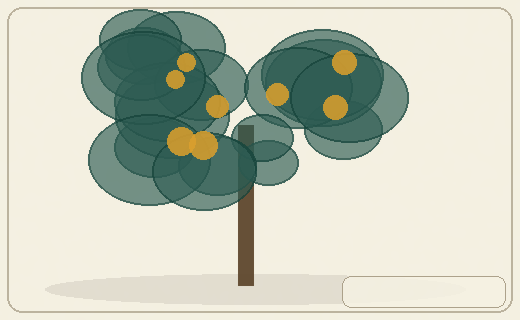
Stylized form diagram for Kapok / ceiba
Identify
Massive buttressed trunk; palmate leaves; large pods releasing silky floss.
Habitat
Tropical American and African lowland forest and river margins.
Season
Floss and pods seasonal; wood year-round.
Field use
Floss bulks tinder and insulation; light wood is easy to carve for floats, containers and bow-drill hearths.
Caution
Floss ignites quickly but also spreads sparks. Large trees may be culturally protected.
Look-alikes
Balsa has simple heart-shaped leaves and no palmate leaflets.
tinderinsulationfloatbow drill board

Balsa

Ochroma pyramidale

Useful plants
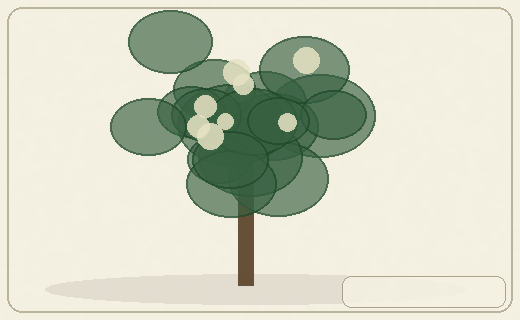
Stylized form diagram for Balsa
Identify
Very large heart-shaped leaves; pale flowers; elongated pods with silky fibers; extremely light wood.
Habitat
Tropical American riverbanks, gaps and secondary forest.
Season
Wood year-round; floss seasonal.
Field use
Very light wood for floats, rafts, containers and friction-fire hearth boards; floss is tinder.
Caution
Weak for load-bearing structures. Fast-growing trees can shed limbs.
Look-alikes
Cecropia has palmately lobed leaves and hollow stems.
floatraftbow drill boardtinder

Cecropia

Cecropia spp.

Useful plants
Stylized form diagram for Cecropia
Identify
Large palmately lobed leaves pale beneath; ringed hollow stems; finger-like fruiting spikes.
Habitat
Tropical American forest gaps, roadsides and river edges.
Season
Year-round.
Field use
Hollow stems can form tubes, floats and light containers; dry soft wood can be friction-fire material.
Caution
Ant colonies often inhabit stems. Fruit and medicinal use vary by species and are excluded without local expertise.
Look-alikes
Papaya leaves are deeply lobed but grow in a crown on one trunk.
containerfloatbow drill board

Peach palm

Bactris gasipaes

Useful plants
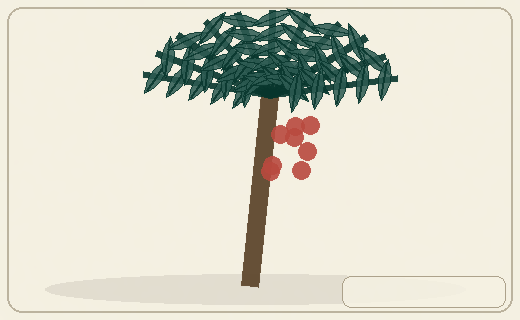
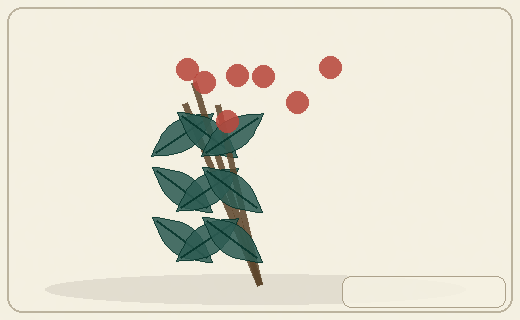
Stylized form diagram for Peach palm
Identify
Clumping palm often armed with dark spines; pinnate leaves; dense clusters of orange-red fruits.
Habitat
Humid tropical American lowlands and old cultivation sites.
Season
Fruit seasonal; stems year-round.
Field use
Boiled ripe fruit is high-energy food; hard palm wood makes spear points, bows and durable tools.
Caution
Fruit must be cooked; spines cause serious injury. Harvest ownership and cultural rights matter.
Look-alikes
Astrocaryum palms are also spiny but have different fruit clusters.
food fruitbow woodspeartools

Land edibles

Terrestrial food species

Açaí palm

Euterpe oleracea

Land-based edible plants
Stylized form diagram for Açaí palm
Identify
Multi-stem slender palm; pinnate leaves; many small purple-black fruits in hanging clusters.
Habitat
Amazonian floodplain and swamp forest.
Season
Fruit seasonal; stems year-round.
Field use
Fruit pulp is documented food; palm fibers and stems support light construction.
Caution
Fruit processing needs clean water; palm-heart harvest kills stems and is not recommended.
Look-alikes
Other Euterpe species and dark palm fruits require local confirmation.
food fruitfiberconstruction

Buriti / moriche palm

Mauritia flexuosa

Land-based edible plants
Stylized form diagram for Buriti / moriche palm
Identify
Large fan palm; brown scaly oval fruits; commonly forms swamp groves.
Habitat
Amazon, Orinoco and Guiana savanna wetlands.
Season
Fruit seasonal; leaves year-round.
Field use
Fruit pulp is documented food; leaves provide thatch, cordage, baskets and floats.
Caution
Wet palm groves can conceal deep mud, caimans and contaminated water.
Look-alikes
Carnauba has fan leaves but drier habitat and different fruit.
food fruitthatchcordagebasketry

Guava

Psidium guajava

Land-based edible plants
Stylized form diagram for Guava
Identify
Opposite oval leaves with strong parallel side veins; smooth peeling bark; white brush flowers; aromatic fruit.
Habitat
Tropical and subtropical disturbed ground, forest edge and river terraces.
Season
Fruit varies by climate; wood year-round.
Field use
Ripe fruit is documented food; hard close-grained wood makes pegs, handles and friction-fire spindles.
Caution
Fruit can host insects and feral plants may be sprayed. Leaves are not a substitute for medical care.
Look-alikes
Other Myrtaceae share opposite leaves; fruit odor and flower structure help confirm.
food fruithandlesbow drill spindle

Wild passionfruits

Passiflora spp.

Land-based edible plants
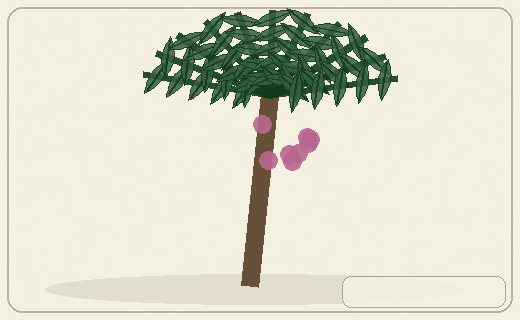
Stylized form diagram for Wild passionfruits
Identify
Tendrilled vine; distinctive radial flowers; round to oval fruits; leaves often lobed.
Habitat
Tropical and subtropical forest edge, thicket and riverbank.
Season
Fruit seasonal.
Field use
Fully ripe fruit of confirmed edible species is documented food; vines can provide temporary lashings.
Caution
Many species have cyanogenic leaves or unpalatable fruit. Eat only known ripe fruit, not unknown foliage.
Look-alikes
Cucurbit vines have separate flower structure and rough stems.
food fruitlashing

Papaya

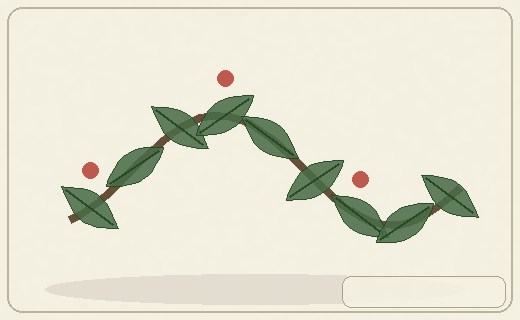
Carica papaya

Land-based edible plants
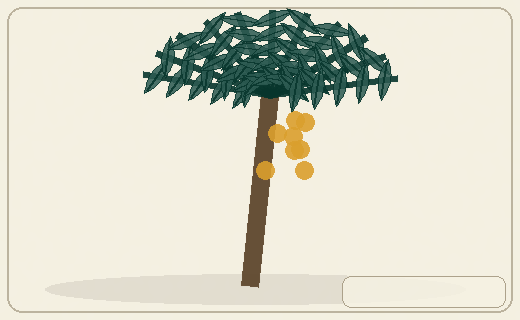
Stylized form diagram for Papaya
Identify
Soft unbranched hollow trunk; crown of deeply lobed leaves; large fruits attached near the trunk.
Habitat
Tropical clearings, river terraces and abandoned cultivation.
Season
Fruit year-round in warm climates.
Field use
Fully ripe fruit is documented food; black seeds are peppery but used sparingly. Green fruit is cooked in established cuisines.
Caution
Milky latex can irritate skin and may affect pregnancy or medications. Avoid wild fruit contaminated by animals.
Look-alikes
Cecropia has woody branching stems and finger-like fruits.
food fruitfood green

Aquatic edibles

Water-margin food species

Amazon water lilies

Victoria amazonica / Nymphaea spp.

Water and wetland edible plants
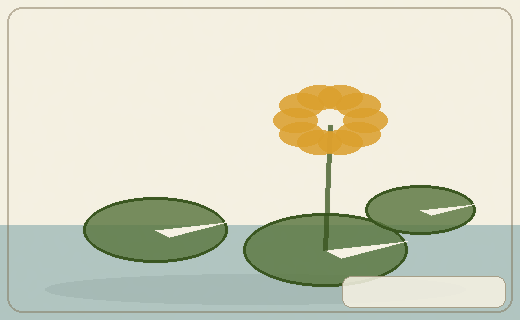
Stylized form diagram for Amazon water lilies
Identify
Large floating leaves; showy flowers; seeds and thick underwater structures depending genus.
Habitat
Warm floodplain lakes and slow tropical rivers.
Season
Seeds and flowers seasonal.
Field use
Seeds and selected rhizomes have documented food use after local species-specific preparation.
Caution
Large leaves hide deep water and animals. Raw tissues and unknown Nymphaeaceae should not be eaten.
Look-alikes
Aquatic aroids may have arrow-shaped leaves and irritating sap.
food seedfood starch

Tropical arrowheads

Sagittaria guayanensis and related spp.

Water and wetland edible plants
Stylized form diagram for Tropical arrowheads
Identify
Arrow to oval leaves rising from shallow water; three-petaled white flowers; some produce tubers.
Habitat
Floodplains, marshes and slow tropical water.
Season
Tubers seasonal.
Field use
Tubers of confirmed edible species are documented food after cooking.
Caution
Species vary in tuber production; wetlands may contain parasites and toxic aroids.
Look-alikes
Arrow arum and other aroids have spadix-and-spathe flowers.
food tuber

Water spinach

Ipomoea aquatica

Water and wetland edible plants
Stylized form diagram for Water spinach
Identify
Hollow creeping stems; arrow to lance leaves; pale morning-glory flowers.
Habitat
Warm freshwater ditches, ponds and slow rivers; native or invasive.
Season
Warm season.
Field use
Tender shoots are a documented cooked green.
Caution
Raw plants can carry parasites and sewage pathogens; avoid polluted water and check invasive-species law.
Look-alikes
Water hemlock has divided leaves and umbels, not morning-glory flowers.
food green

Traditional-use

Documented traditional medicine

Copaiba trees

Copaifera spp.

Medicinal and traditional-use plants
Stylized form diagram for Copaiba trees
Identify
Large forest trees with paired leaflets and resin canals; small flowers and pod fruits.
Habitat
Amazon and tropical South American forest.
Season
Resin and wood year-round.
Field use
Resin has documented traditional external and technical uses; wood serves construction and fuel.
Caution
Tapping requires expertise and permission. Ingesting resin can cause illness and drug interactions.
Look-alikes
Many legumes have paired leaflets; bark tapping without identification is unsafe.
resinmedicinefuel

Cat’s-claw vine

Uncaria tomentosa and related spp.

Medicinal and traditional-use plants
Stylized form diagram for Cat’s-claw vine
Identify
Woody climbing vine with paired curved hook-like spines at nodes and opposite leaves.
Habitat
Amazonian and Andean foothill forest.
Season
Stems year-round.
Field use
Strong vines have lashing uses; bark has documented regional medicinal use.
Caution
Do not self-dose; pregnancy, immune and medication interactions are concerns. Several Uncaria species differ.
Look-alikes
Other hook-bearing lianas and rattan palms may resemble it.
lashingmedicine

Dragon’s-blood tree

Croton lechleri

Medicinal and traditional-use plants
Stylized form diagram for Dragon’s-blood tree
Identify
Pale-barked tree; large heart-shaped leaves; red latex exudes from cuts.
Habitat
Amazonian forest gaps and river slopes.
Season
Latex and wood year-round.
Field use
Red latex has documented regional external use and can seal small non-food containers.
Caution
Latex is not sterile and internal dosing is not advised. Croton species may have irritating or toxic sap.
Look-alikes
Other latex trees may exude white or clear sap.
sealantmedicine

Poisonous look-alikes

Do not eat — verify before harvest

Manchineel

Hippomane mancinella

Poisonous plants
Stylized form diagram for Manchineel
Identify
Coastal tree with glossy oval leaves, small green flowers and apple-like green-yellow fruit; milky sap.
Habitat
Caribbean and tropical American beaches and coastal forest.
Season
Year-round.
Field use
No use.
Caution
Sap and fruit are severely toxic and blistering; rain dripping from leaves and smoke from burning wood can injure.
Look-alikes
Sea grape has large round leaves with red veins and grape-like fruit clusters.
poison

Dumbcane

Dieffenbachia spp.

Poisonous plants
Stylized form diagram for Dumbcane
Identify
Large variegated leaves on cane-like stems; green-white spadix and spathe; clear to milky sap.
Habitat
Tropical American forest understory and disturbed wet ground.
Season
Year-round.
Field use
No food use.
Caution
Calcium oxalate crystals cause intense mouth swelling, pain and possible airway compromise.
Look-alikes
Edible aroids require exact identification and cooking.
poison

Sandbox tree

Hura crepitans

Poisonous plants
Stylized form diagram for Sandbox tree
Identify
Tall tree with dark conical trunk spines, heart-shaped leaves and pumpkin-like segmented capsules.
Habitat
Tropical American lowland forest and riverbanks.
Season
Year-round.
Field use
No food use. Wood handling is specialized.
Caution
Milky sap is caustic and fruit explodes forcefully, scattering poisonous seeds.
Look-alikes
Kapok has trunk spines when young but palmate leaves and floss-filled pods.
poison

Toxic Strychnos vines and trees

Strychnos spp.

Poisonous plants
Stylized form diagram for Toxic Strychnos vines and trees
Identify
Opposite leaves with strong curved veins; tendrils or woody stems; round fruits vary by species.
Habitat
Tropical forest and savanna.
Season
Year-round.
Field use
No food use unless a local expert identifies a known edible species.
Caution
The genus includes plants with strychnine-type toxins. Fruit appearance is not enough to judge safety.
Look-alikes
Edible monkey oranges are region-specific Strychnos and still require expert confirmation.
poison