
Skip to content

Global Regional Plant Guides

Alps & Carpathians Montane-Alpine Plant Survival Guide

A comprehensive survival plant guide for Alps & Carpathians Montane-Alpine, covering useful woody materials, land foods, aquatic foods, traditional-use plants and poisonous look-alikes.

Cover of Alps & Carpathians Montane-Alpine Plant Survival Guide
Continent
Europe
USDA-equivalent zones
3-7
Köppen climate
Dfb / Dfc / ET
Profiles
20
Regional biome
Montane forest, subalpine meadow, scree and alpine snowbed
Download PDF (17 pages)

Print-ready · US Letter · clickable sources

Useful plants · 5Land edibles · 5Aquatic edibles · 3Traditional-use · 3Poisonous look-alikes · 4

Useful plants

Wood, fibre, shelter and craft

Siberian spruce

Picea obovata
Useful plants
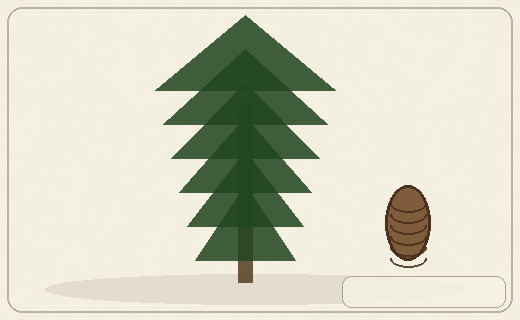
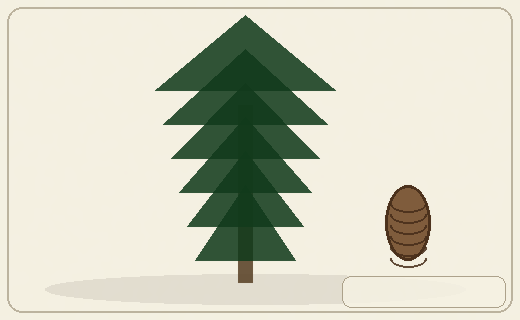
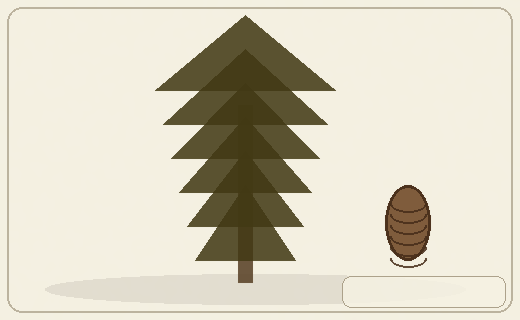
Stylized form diagram for Siberian spruce
Identify
Sharp four-sided needles on woody pegs; narrow crown; long hanging cones.
Habitat
Moist Siberian taiga, valleys and north-facing slopes.
Season
Year-round.
Field use
Straight poles, roots for careful lashing, dry lower branches and resinous fuel.
Caution
Needles are sharp; root harvest damages living trees.
Look-alikes
Larch has soft clustered needles and drops them in autumn.
polesfueltindercordage
Larches

Larix spp.

Useful plants
Stylized form diagram for Larches
Identify
Soft needles in clusters on short spur shoots; small upright cones; foliage turns yellow and falls.
Habitat
Boreal wetlands, continental taiga and cold mountain forest.
Season
Wood year-round; needles growing season.
Field use
Rot-resistant poles, roots, stakes and durable fuel. Dead interior twigs are often protected from rain.
Caution
Small bog or treeline trees may be very old. Wet larch is hard to ignite.
Look-alikes
Spruce retains sharp single needles in winter.
polesfuelstakescordage

Hazels

Corylus spp.

Useful plants
Stylized form diagram for Hazels
Identify
Round to oval doubly toothed leaves; male catkins; nuts enclosed by leafy husks.
Habitat
Temperate woodland edge, hedgerow and mountain thicket.
Season
Nuts late summer-fall; rods year-round.
Field use
Nuts are high-energy food; straight flexible rods make arrow shafts, basket frames and light wattle.
Caution
Nut allergies apply. Rods split if forced when dry.
Look-alikes
Alders have woody cone-like catkins and favor wetter ground.
food nutarrow shaftbasketrywattle

Willows

Salix spp.

Useful plants
Stylized form diagram for Willows
Identify
Alternate narrow to oval leaves; flexible twigs; catkins; many species root along wet ground.
Habitat
Riverbanks, lake margins, floodplains, tundra valleys and moist forest.
Season
Twigs year-round; leaves and catkins in the growing season.
Field use
Flexible rods for baskets, fish traps, wattle, arrow shafts and repair splints. Dry punky willow and softer species can serve bow-drill hearth boards; denser pieces make spindles. Bark has documented salicylate-related traditional use.
Caution
Species identification is difficult. Do not self-dose bark with aspirin allergy, bleeding risk, kidney disease, pregnancy, or in children with viral illness.
Look-alikes
Alders have cone-like female catkins; some dogwoods have opposite leaves.
arrow shaftbow drill boardbasketrycordagemedicine

Yews

Taxus spp.

Useful plants
Stylized form diagram for Yews
Identify
Flat dark needles; thin reddish bark; single red cup-like aril surrounding a hard seed.
Habitat
Shaded temperate and montane forest.
Season
Year-round.
Field use
Dense elastic wood is historically important for self bows, wedges and tools.
Caution
Needles, bark and seeds contain dangerous taxines. Never burn in a cooking fire; the red aril does not make the seed safe.
Look-alikes
Hemlock and fir have cones and pale bands beneath needles.
bow woodwedgestools

Land edibles

Terrestrial food species

Bilberry / bog blueberry group

Vaccinium myrtillus / V. uliginosum

Land-based edible plants
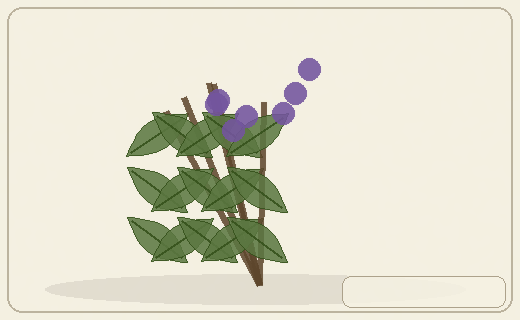
Stylized form diagram for Bilberry / bog blueberry group
Identify
Low woody shrub; blue to blue-black berries with a crown; leaves alternate and small.
Habitat
Boreal, montane and tundra heath.
Season
Mid- to late summer.
Field use
Ripe berries are documented food and can be dried or cooked.
Caution
Color alone is not enough; confirm woody stem and Vaccinium fruit crown.
Look-alikes
Black-berried herbs lack woody stems; crowberry has needle-like leaves.
food fruit

Wild roses

Rosa spp.

Land-based edible plants
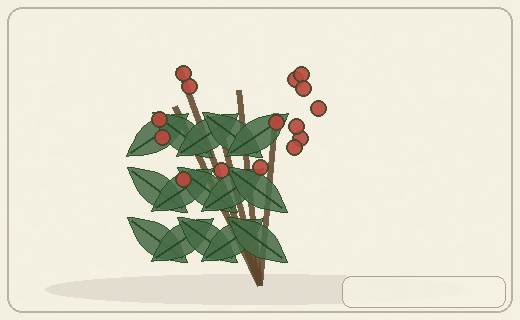
Stylized form diagram for Wild roses
Identify
Prickly stems; compound toothed leaves; five-petaled flowers; red to orange hips.
Habitat
Open woods, thickets, prairie, dunes and mountain slopes.
Season
Hips late summer through winter.
Field use
Fleshy hip walls are documented food after the irritating hairs and seeds are removed; good for simmering or drying.
Caution
Internal hairs irritate skin and mouth. Avoid sprayed or moldy fruit.
Look-alikes
Hawthorn has simple lobed leaves and woody thorns.
food fruitcordage

Wild onions and garlic

Allium spp.

Land-based edible plants
Stylized form diagram for Wild onions and garlic
Identify
Narrow leaves or hollow stems; spherical flower heads; clear onion or garlic odor in leaf and bulb.
Habitat
Meadows, rocky slopes, open woodland and stream terraces.
Season
Spring through fall.
Field use
Leaves, flowers and bulbs of positively identified Allium are documented food and seasoning.
Caution
Every sampled part must smell of onion, but odor is not the only test. Avoid unknown bulbs.
Look-alikes
Death camas lacks onion odor and can be fatal.
food greenfood bulb

Stinging nettle

Urtica dioica

Land-based edible plants
Stylized form diagram for Stinging nettle
Identify
Opposite sharply toothed leaves; fibrous stems; translucent stinging hairs; green flower clusters.
Habitat
Rich disturbed soil, river terraces, old camps and forest openings.
Season
Young tops spring; fiber later.
Field use
Young tops are documented food after thorough cooking or drying; mature stems yield strong bast fiber.
Caution
Wear gloves; do not eat raw. Internal use can affect medicines and kidney conditions.
Look-alikes
Dead-nettles do not sting and have showier mint-family flowers.
food greencordagefiber

Dandelion

Taraxacum officinale aggregate

Land-based edible plants
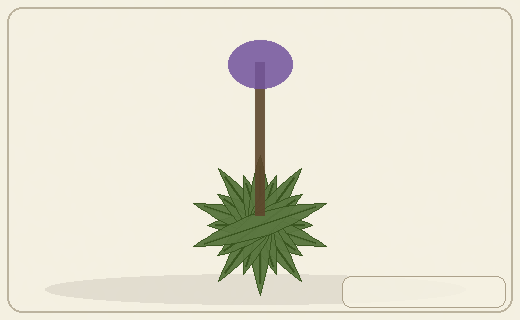
Stylized form diagram for Dandelion
Identify
Basal toothed leaves; hollow leafless stems with one yellow flower; milky sap; parachute seed head.
Habitat
Disturbed temperate ground, meadow and camp edge.
Season
Spring through fall.
Field use
Young leaves, flower heads and roasted roots have documented food use where uncontaminated.
Caution
Avoid sprayed lawns, roadsides and animal latrines; latex can irritate.
Look-alikes
Catsear has hairy leaves and branched flower stalks.
food greenfood roottinder

Aquatic edibles

Water-margin food species

Watercress

Nasturtium officinale

Water and wetland edible plants
Stylized form diagram for Watercress
Identify
Creeping hollow stems; pinnate leaves with a larger rounded terminal leaflet; small white four-petaled flowers.
Habitat
Cold flowing springs and streams, often where nutrient-rich.
Season
Cool seasons.
Field use
Tender tops are documented food and are usually cooked in survival settings.
Caution
Raw watercress can carry liver flukes and sewage pathogens. Avoid downstream of livestock, roads or settlements.
Look-alikes
Water hemlock has divided leaves and umbrella flowers; never rely on habitat alone.
food green

Broad pondweeds

Potamogeton spp.

Water and wetland edible plants
Stylized form diagram for Broad pondweeds
Identify
Submerged or floating leaves with parallel veins; small flower spikes rise above water; flexible stems.
Habitat
Lakes, ponds and slow rivers across temperate and cold regions.
Season
Growing season.
Field use
Tubers, young shoots or seeds of some species have documented food use; beds shelter fish and invertebrates.
Caution
Species identification and water quality are essential. Avoid stagnant, cyanobacteria-rich or polluted water.
Look-alikes
Water smartweed has jointed stems and pink flower spikes.
food aquatic

Cattails

Typha spp.

Water and wetland edible plants
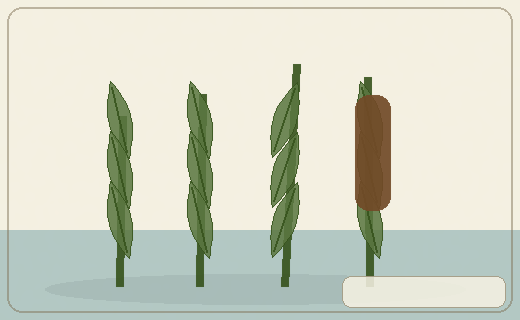
Stylized form diagram for Cattails
Identify
Tall flat strap leaves; dense brown cylindrical female flower spike below a narrower male section.
Habitat
Marshes, pond edges, slow channels and wet ditches.
Season
Shoots spring; pollen early summer; rhizomes year-round where lawful.
Field use
Documented food parts include young inner shoots, pollen and processed rhizome starch. Leaves make mats, baskets and thatch; seed down can bulk tinder.
Caution
Water can concentrate sewage, metals and parasites. Raw rhizome requires correct processing; avoid contaminated marshes.
Look-alikes
Yellow flag iris has sword leaves and showy flowers but no brown cattail head.
food shootfood starchbasketrythatchtinder

Traditional-use

Documented traditional medicine

Yarrow

Achillea millefolium

Medicinal and traditional-use plants
Stylized form diagram for Yarrow
Identify
Aromatic finely divided leaves; flat clusters of small white to pink flower heads.
Habitat
Dry openings, trails, grassland, shore gravel and disturbed soil.
Season
Summer through fall.
Field use
Documented traditional external uses include washes and aromatic preparations; dry flower heads make light tinder.
Caution
Possible allergy, pregnancy and anticoagulant concerns. Not a substitute for wound cleaning or medical care.
Look-alikes
Poison hemlock is much taller with hollow purple-spotted stems and true umbels.
medicinetinder

Golden root

Rhodiola rosea and related spp.

Medicinal and traditional-use plants
Stylized form diagram for Golden root
Identify
Fleshy blue-green leaves on upright stems, yellow flower clusters and thick aromatic rhizome.
Habitat
Cold Eurasian alpine cliffs, streambanks and tundra.
Season
Summer.
Field use
Widely documented traditional-use plant.
Caution
Wild populations are vulnerable to root harvest. No field dosing; may affect mood, sleep and medications.
Look-alikes
Other Rhodiola and Sedum species are similar.
medicine

Meadowsweet

Filipendula ulmaria

Medicinal and traditional-use plants
Stylized form diagram for Meadowsweet
Identify
Tall damp-ground herb with pinnate leaves, pale undersides and frothy cream flower clusters with a sweet scent.
Habitat
Wet meadows, streambanks and ditches of Europe and western Asia.
Season
Summer.
Field use
Documented flavoring and traditional use related to salicylate-containing tissues.
Caution
Avoid with aspirin allergy, anticoagulants, ulcers or in children with viral illness.
Look-alikes
Water dropworts have umbrella flower clusters and different leaves.
medicineflavoring

Poisonous look-alikes

Do not eat — verify before harvest

Monkshoods

Aconitum spp.

Poisonous plants
Stylized form diagram for Monkshoods
Identify
Deeply divided palmate leaves; blue, purple, yellow or white hood-shaped flowers.
Habitat
Moist mountain meadows, streambanks and cool forest.
Season
Summer.
Field use
No food or field medicinal use.
Caution
All parts contain potent aconitine-type alkaloids; ingestion can cause fatal heart and nerve effects.
Look-alikes
Larkspurs have a rear spur and are also toxic.
poison

False hellebores

Veratrum spp.

Poisonous plants
Stylized form diagram for False hellebores
Identify
Tall herb with broad strongly pleated leaves around a stout stem and branched greenish flower clusters.
Habitat
Wet meadows, seeps and stream margins in temperate and montane regions.
Season
Spring through summer.
Field use
No food use.
Caution
All parts are poisonous and may cause vomiting, slow heart rate, low blood pressure and collapse.
Look-alikes
Young shoots can resemble wild leek but lack onion odor and have broad pleated leaves.
poison

Yew toxicity profile

Taxus spp.

Poisonous plants
Stylized form diagram for Yew toxicity profile
Identify
Flat evergreen needles, reddish bark and red cup-like arils around hard seeds.
Habitat
Temperate and montane forest.
Season
Year-round.
Field use
Material use only by experts; no food or medicine use.
Caution
Needles, bark and seeds contain dangerous taxines. Never burn in a cooking fire.
Look-alikes
Hemlocks and firs have cones and pale bands beneath needles.
poison

Deadly nightshade

Atropa belladonna

Poisonous plants
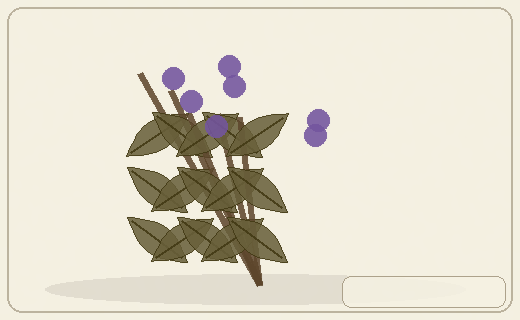
Stylized form diagram for Deadly nightshade
Identify
Branching herb with dull oval leaves, purple-brown bell flowers and glossy black berries in a persistent green calyx.
Habitat
European and western Asian woodland edges, ruins and disturbed calcareous ground.
Season
Summer through fall.
Field use
No use.
Caution
All parts are highly poisonous; berries may be attractive to children.
Look-alikes
Bilberries grow on low woody shrubs and have a crown at the fruit tip.
poison