


Beyond Alone · Best: Jul – Sep
Rocky Mountain National Park
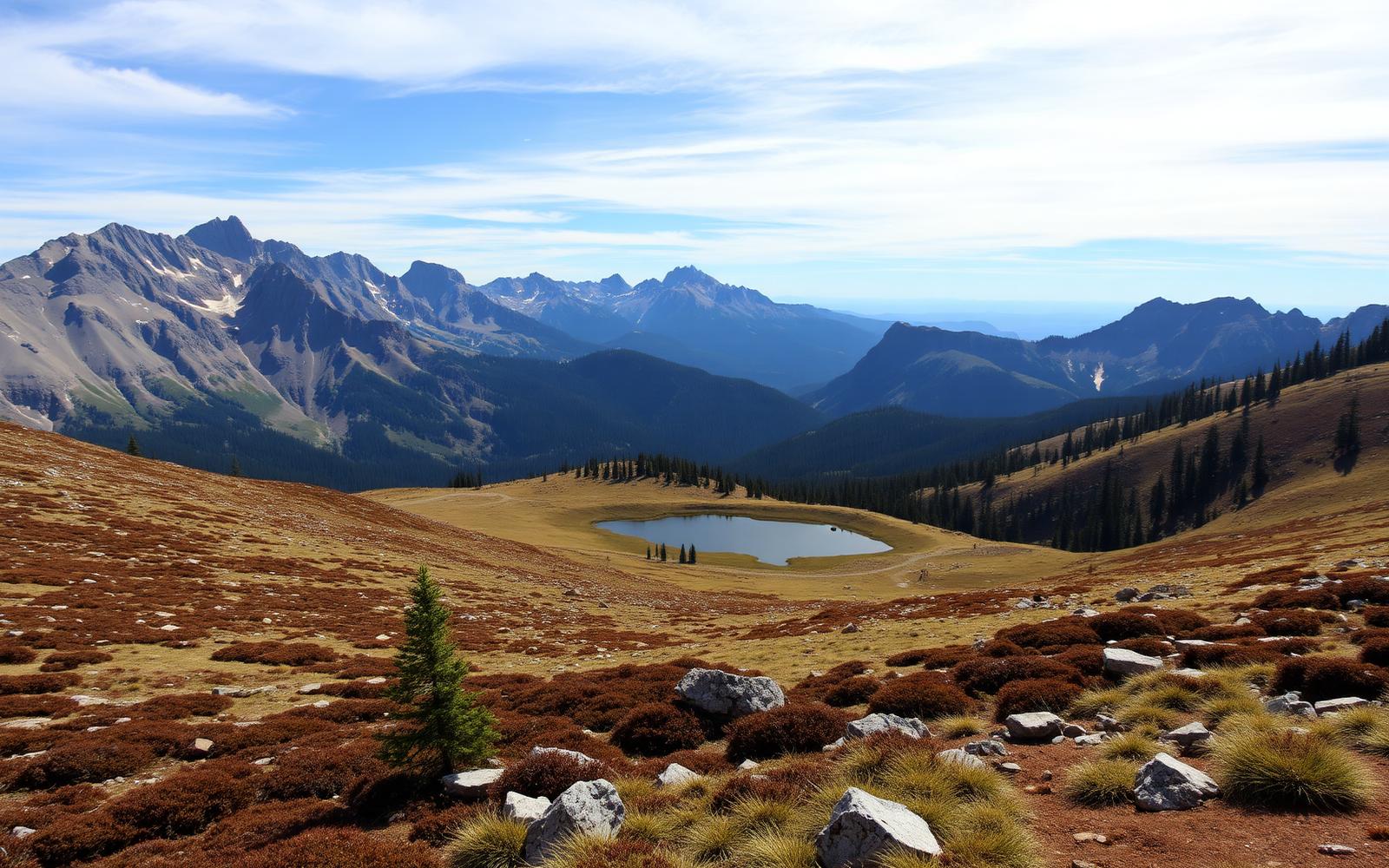
One-third of the park sits above tree line — a compact showcase of Colorado high country.
Colorado, USA
Where on earth
Satellite imagery flying in from a world view to Rocky Mountain National Park, Colorado, USA.
- Biome
- Colorado subalpine + alpine tundra
- Elevation
- 2,300 – 4,346 m
- Best window
- Jul – early Sep
- Key draws
- Longs Peak, Sky Pond, Wild Basin
- Watch for
- Afternoon lightning, altitude sickness
The country
The Continental Divide bisects the park. West side is wetter and more forested; east side steeper and dryer. Alpine tundra experience is unusually accessible — Trail Ridge Road tops out at 3,713 m.
Why enthusiasts come
Compact, permit-friendly backcountry with world-class alpine cirques within a day's carry. Longs Peak is the southernmost 14,000-ft peak in the Rockies.
Planner-relevant notes
Afternoon thunderstorms are near-daily July–August; summit by noon. Acclimatize in Estes Park (2,290 m) for a day before pushing high.
Field notes
- The Keyhole route on Longs is Class 3 exposed — not a hike.
- Elk rut mid-Sep – early Oct: don't cross meadow herds.
- Bear activity is low; marmots destroy packs faster than bears do.
Frequently asked about Rocky Mountain National Park
- Where is Rocky Mountain National Park?
- Rocky Mountain National Park is in Colorado, USA. One-third of the park sits above tree line — a compact showcase of Colorado high country.
- What is the climate like at Rocky Mountain National Park?
- Colorado subalpine + alpine tundra. The Continental Divide bisects the park. West side is wetter and more forested; east side steeper and dryer. Alpine tundra experience is unusually accessible — Trail Ridge Road tops out at 3,713 m.