


Beyond Alone · Best: Jan – Mar, Jun – Oct
Mount Kilimanjaro
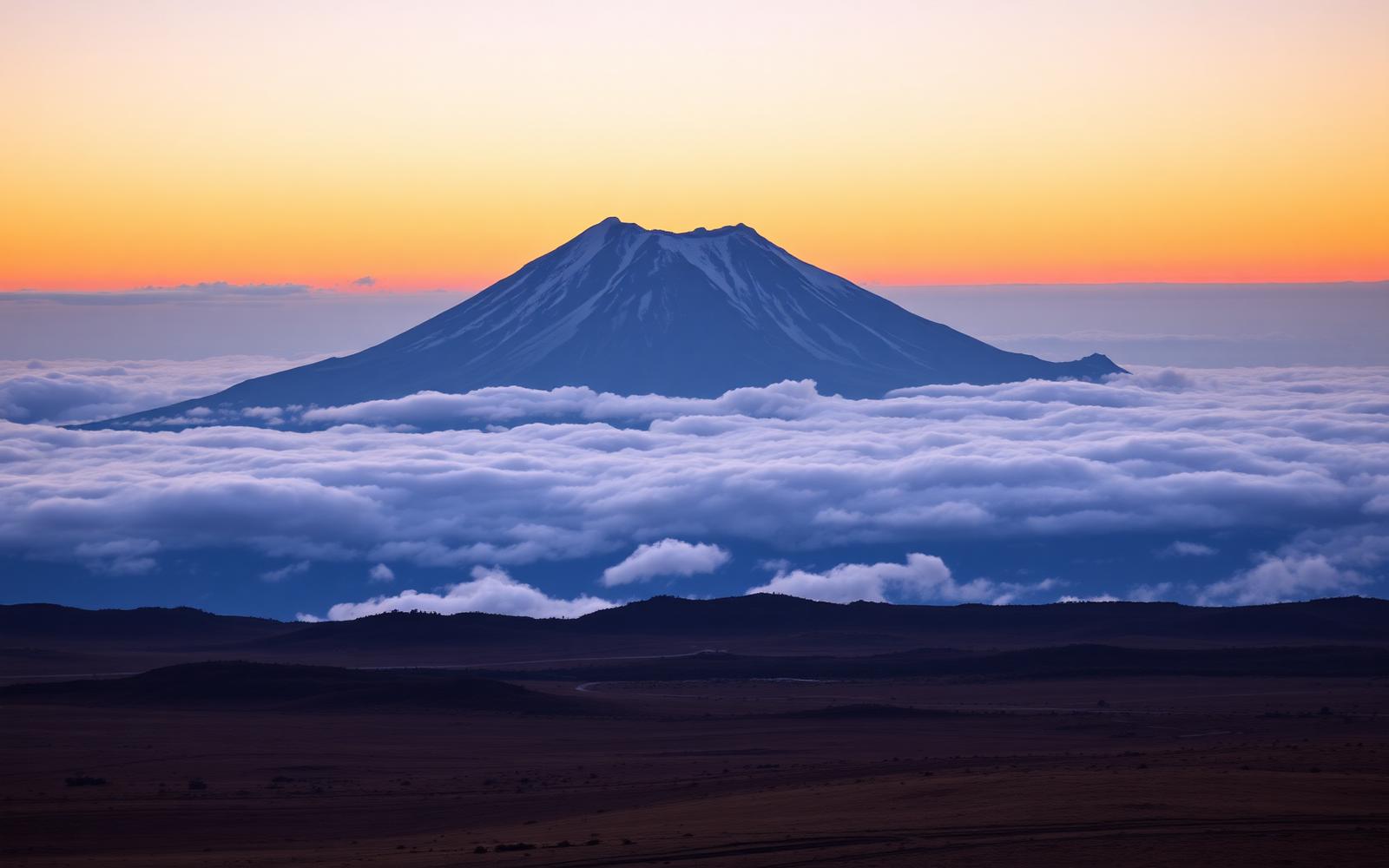
The world's tallest freestanding mountain — five ecological zones from jungle to arctic in one climb.
Tanzania
Where on earth
Satellite imagery flying in from a world view to Mount Kilimanjaro, Tanzania.
- Biome
- Tropical rainforest → alpine → arctic
- Elevation
- 1,800 – 5,895 m (Uhuru Peak)
- Best window
- Jan – Mar, Jun – Oct
- Key draws
- Machame, Lemosho, Northern Circuit routes
- Watch for
- Altitude sickness, cold summit night
The country
A dormant stratovolcano rising 5,000 m out of the East African plain. Five distinct climate zones stack from base to summit; the top is a snow-and-ice arctic desert on the equator.
Why enthusiasts come
The Roof of Africa — accessible without technical skills. Longer routes (Lemosho, Northern Circuit) drastically improve acclimatization and summit odds.
Planner-relevant notes
Park requires licensed operator. 7–9 day routes have summit success 80%+ vs. 5-day Marangu's ~50%. Diamox is standard, not exceptional.
Field notes
- Summit night starts at midnight — cold gear even in the dry season.
- Tip your guide, cook, and porters at the standard rate — check KPAP guidelines.
- Descend fast if altitude symptoms hit; do not push through.
Frequently asked about Mount Kilimanjaro
- Where is Mount Kilimanjaro?
- Mount Kilimanjaro is in Tanzania. The world's tallest freestanding mountain — five ecological zones from jungle to arctic in one climb.
- What is the climate like at Mount Kilimanjaro?
- Tropical rainforest → alpine → arctic. A dormant stratovolcano rising 5,000 m out of the East African plain. Five distinct climate zones stack from base to summit; the top is a snow-and-ice arctic desert on the equator.